
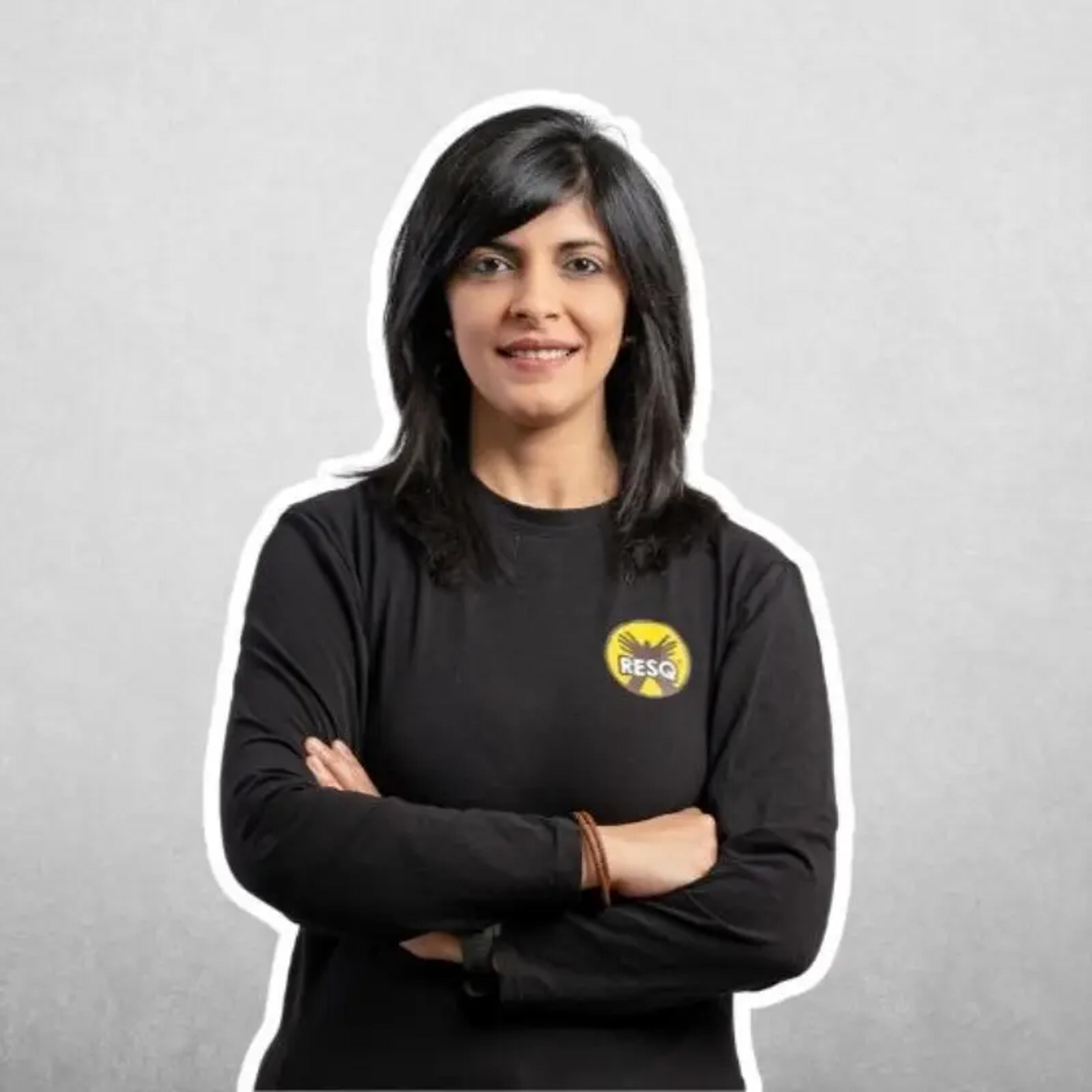
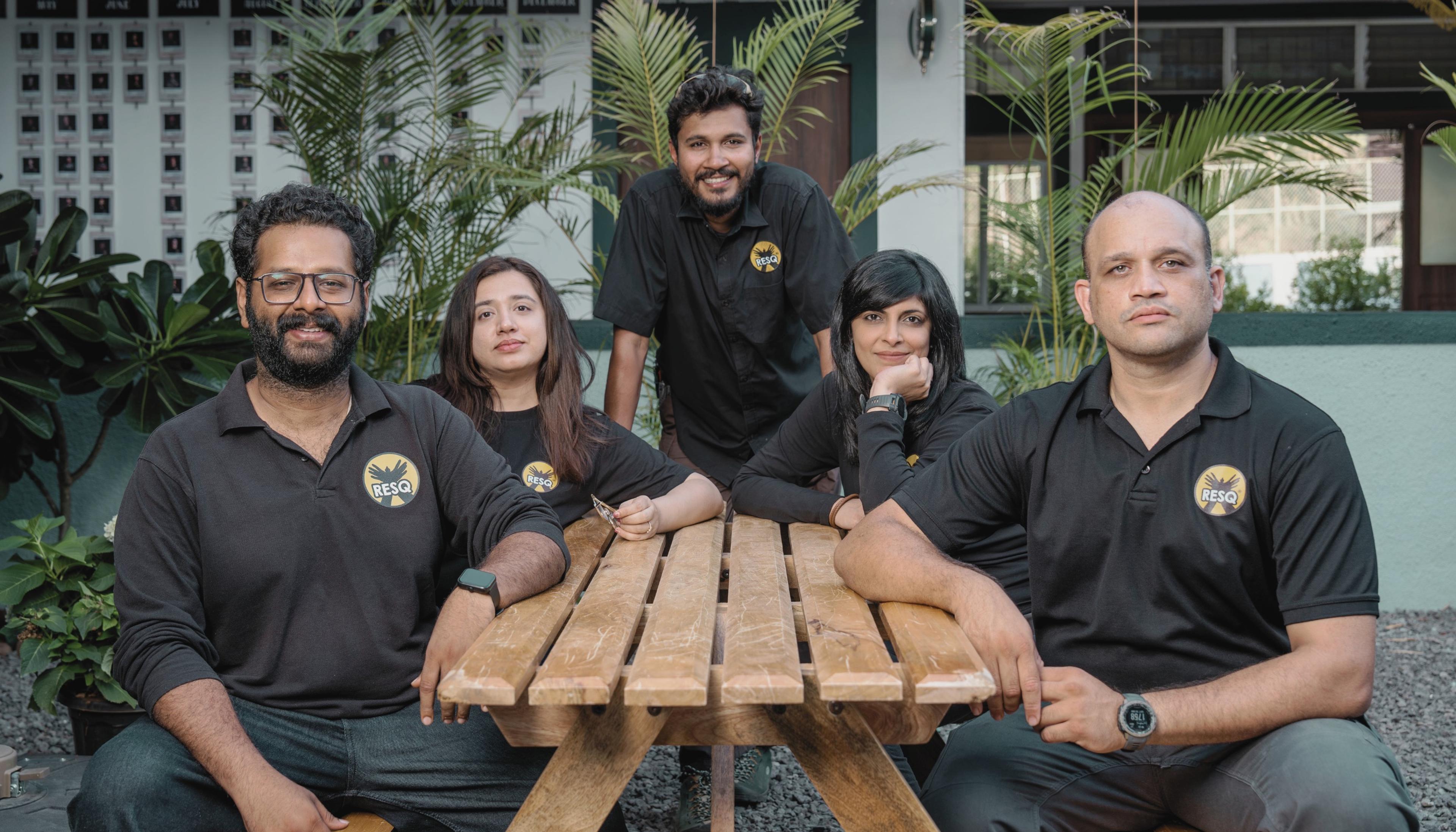
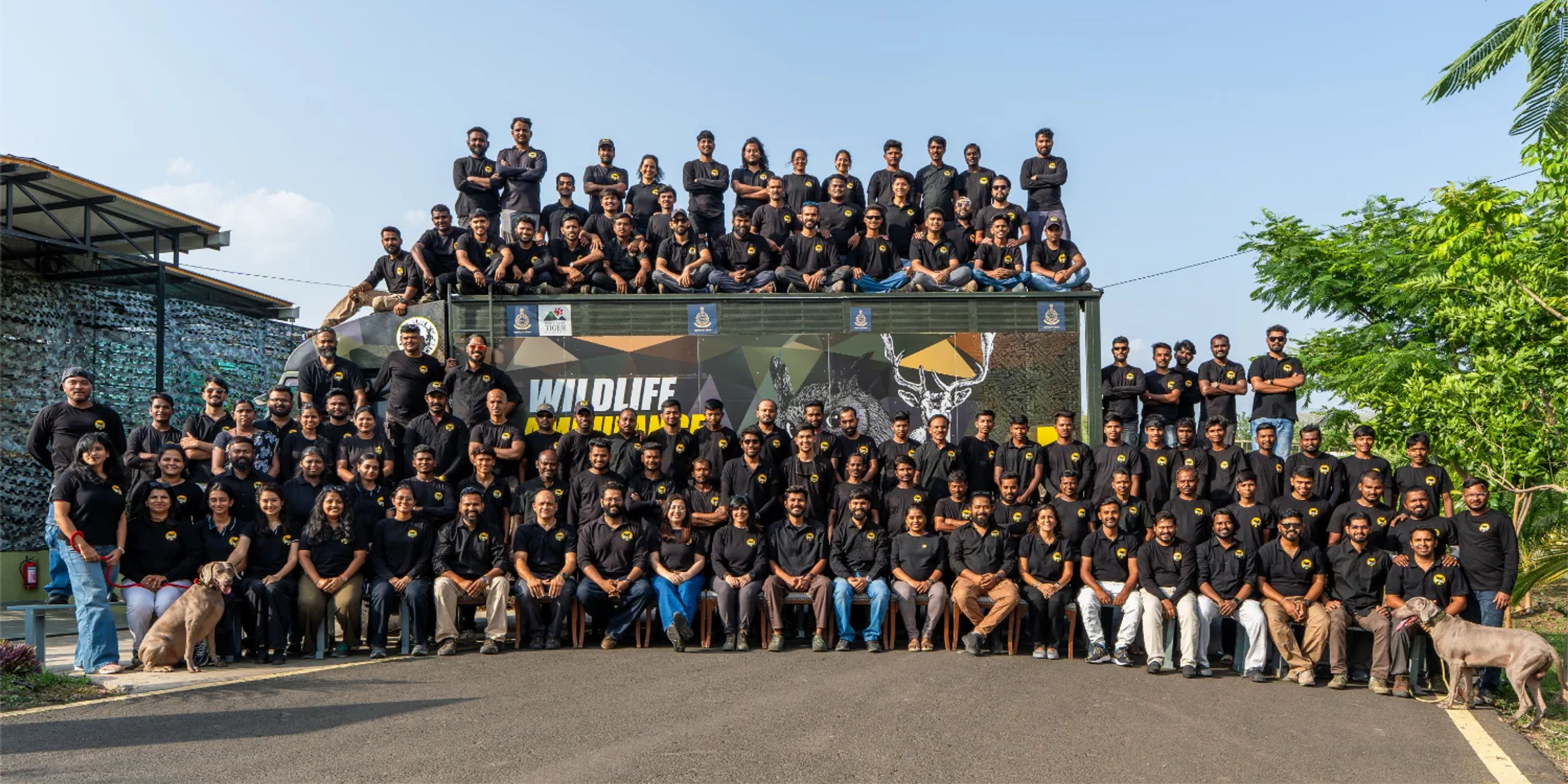
At RESQ CT, over 150 full-time professionals work across three centres and multiple field units, forming one of the most multidisciplinary wildlife conservation teams in the region: veterinarians and field rescuers, biologists and educators, rehabilitators and administrators, each discipline strengthening the others. Skill brought them here. A shared standard of conduct, and a mission larger than any single person, is what keeps them showing up, on the hardest days as much as the good ones.
Who leads
RESQ CT is guided by a governing board and led day to day by teams heading wildlife operations, veterinary and rehabilitation services, and organisational systems.
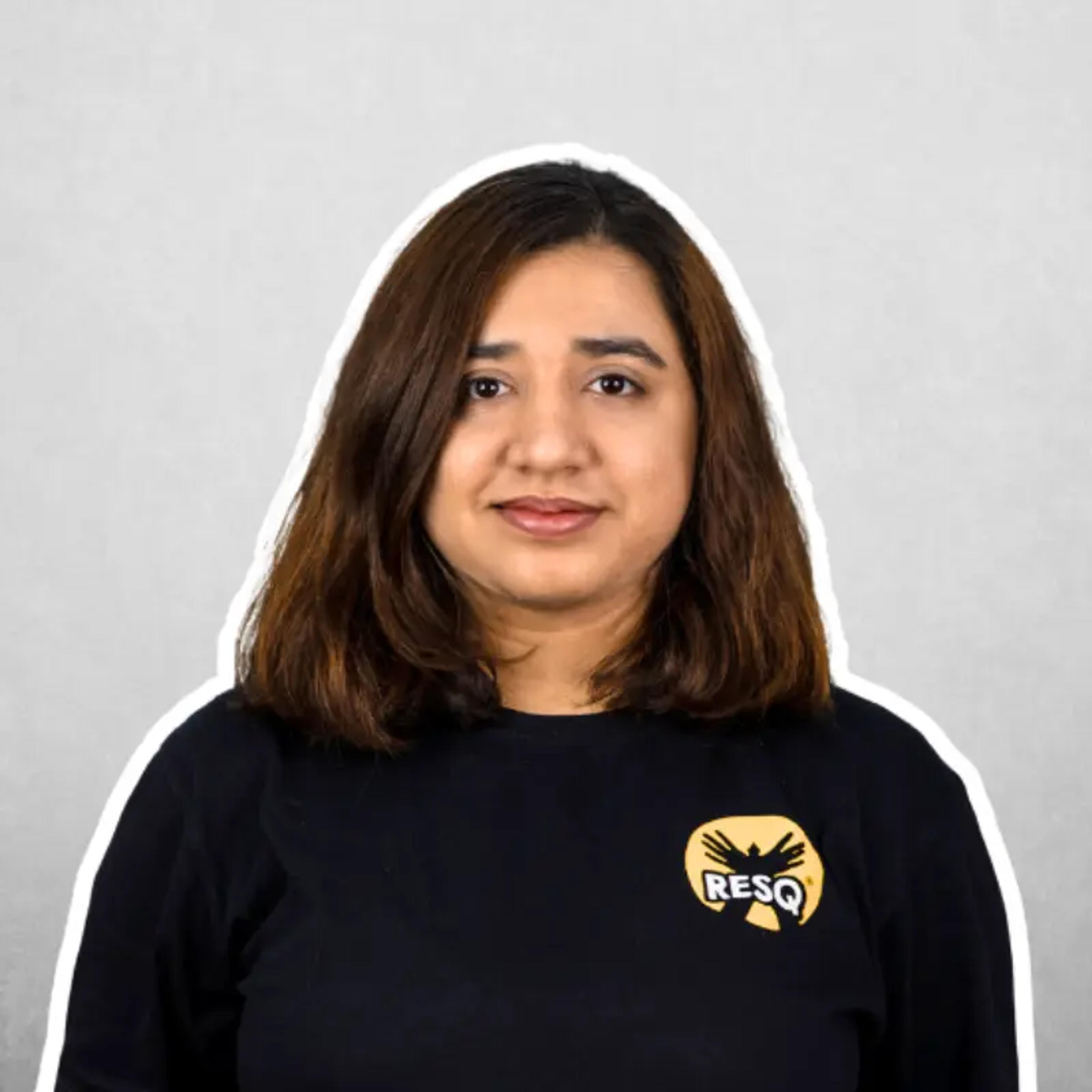

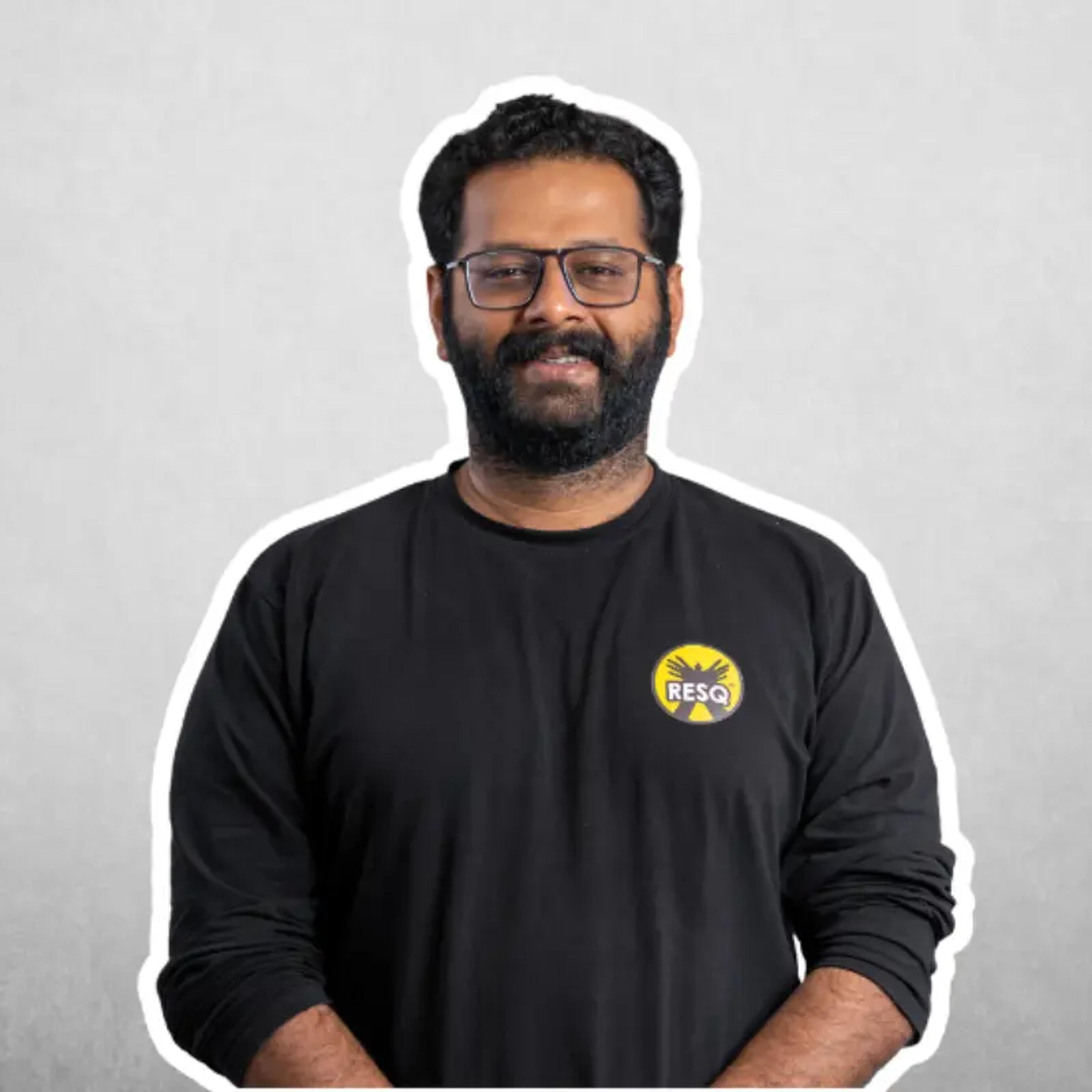
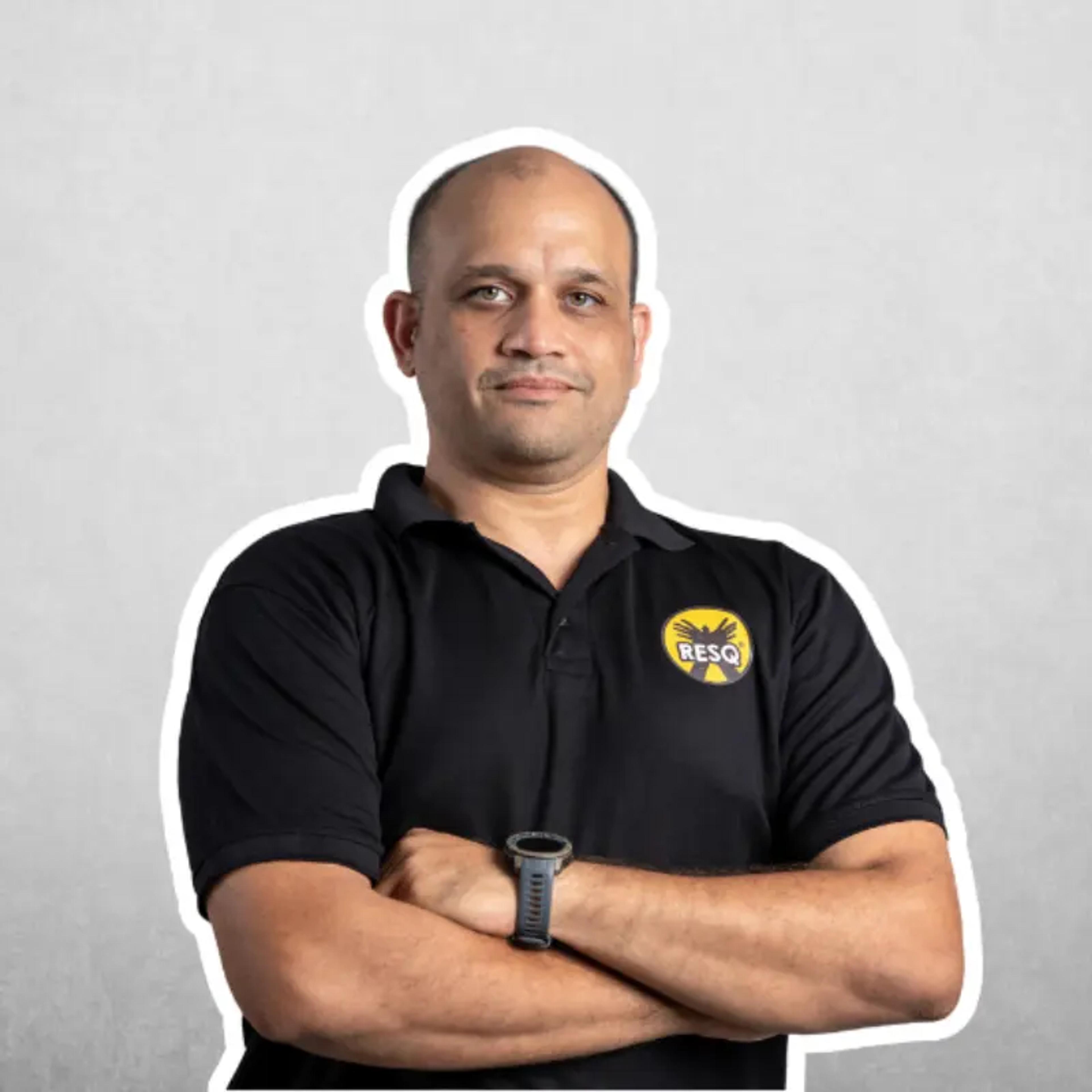
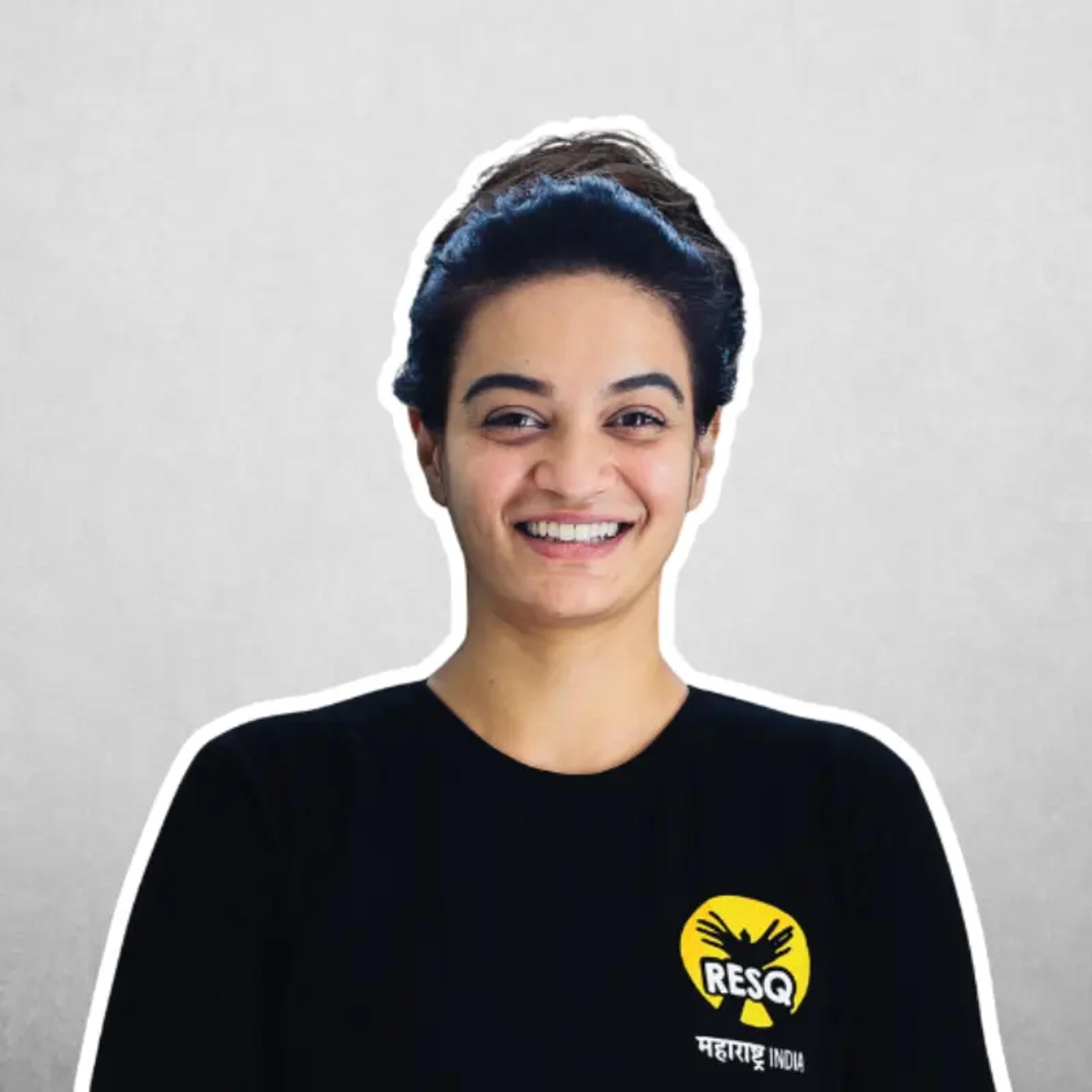
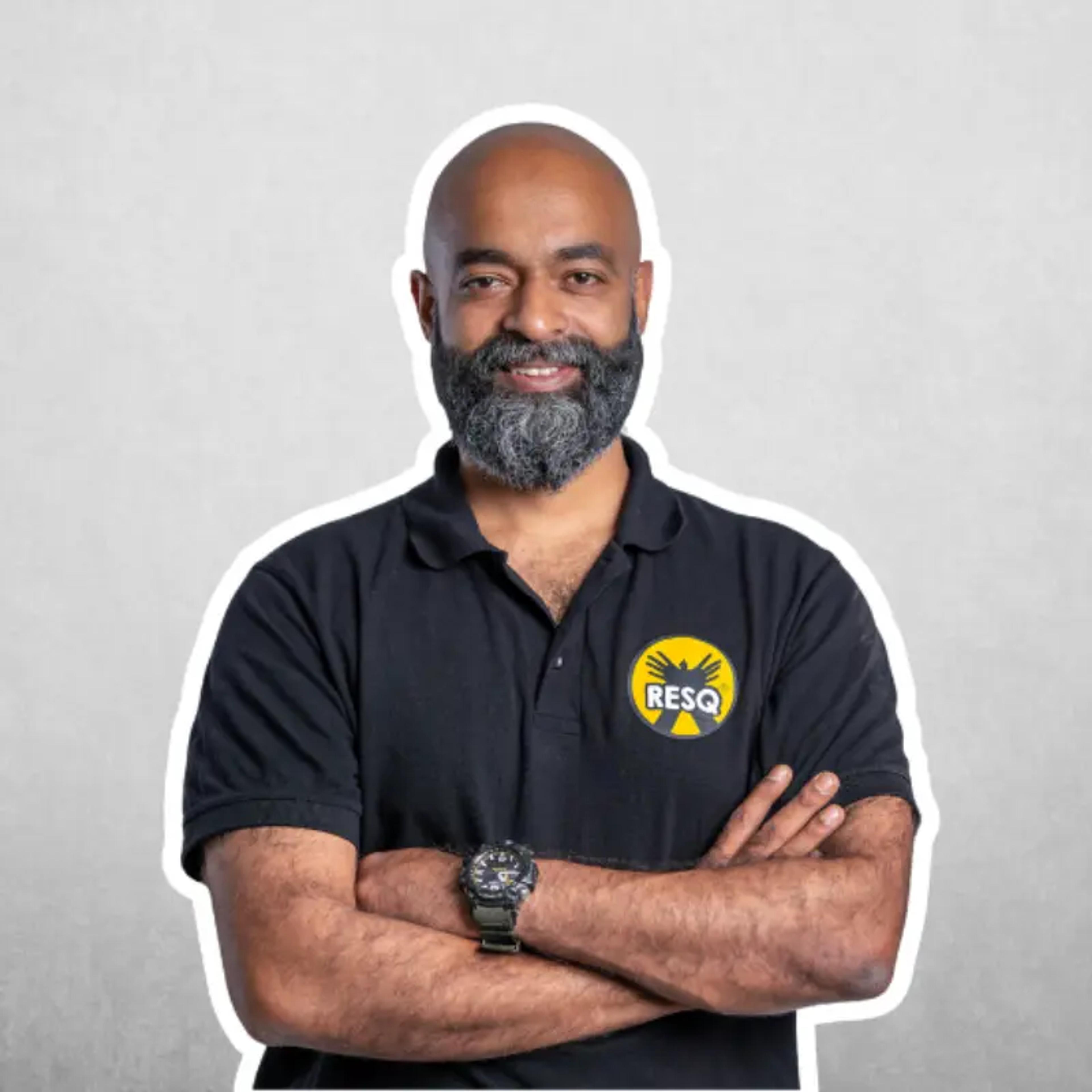
Director - Philanthropic Partnerships
Leads grants, institutional funding and donor relationships, and manages brand collaborations and communications organisation-wide. Makes the case for wildlife to rooms that hold the support for it.


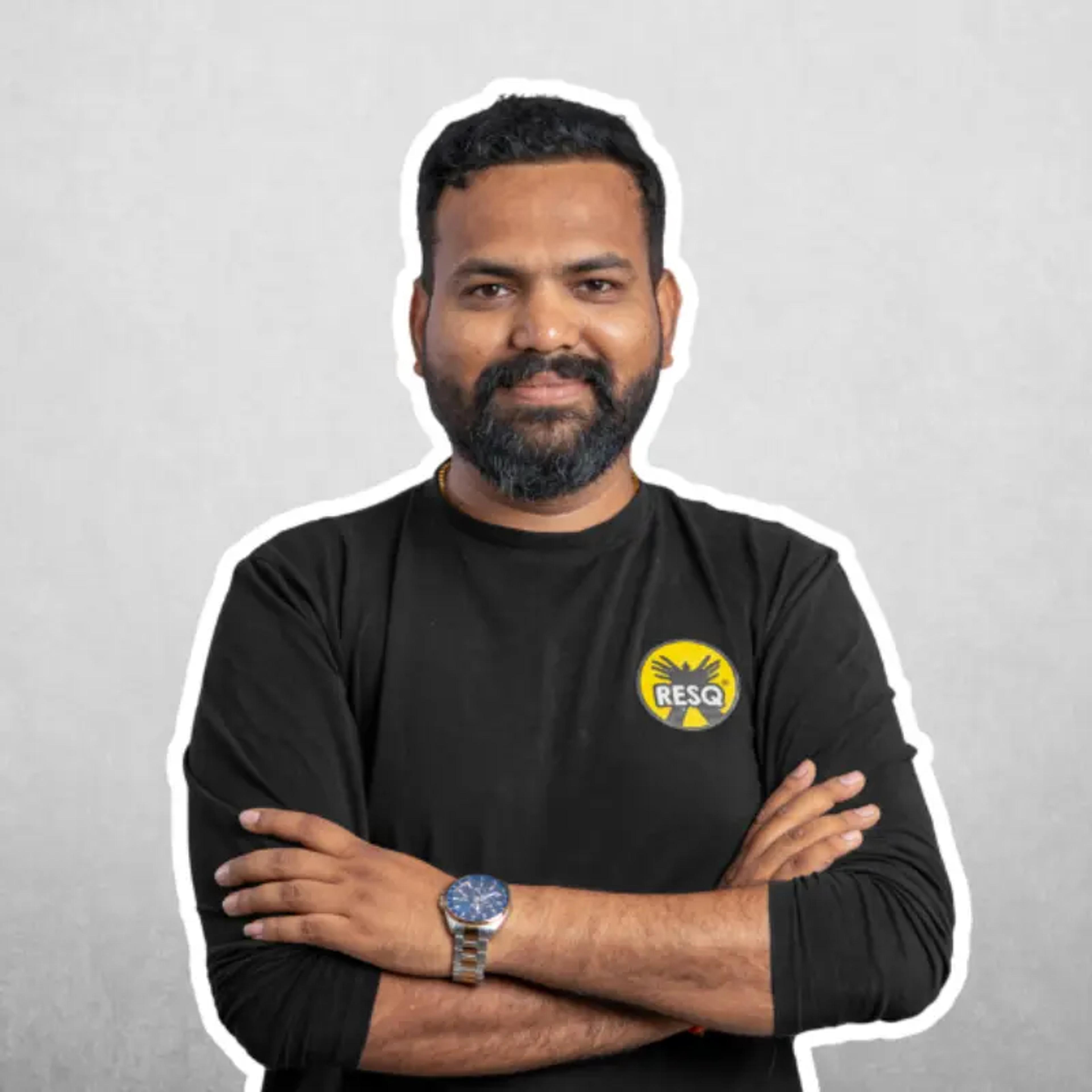
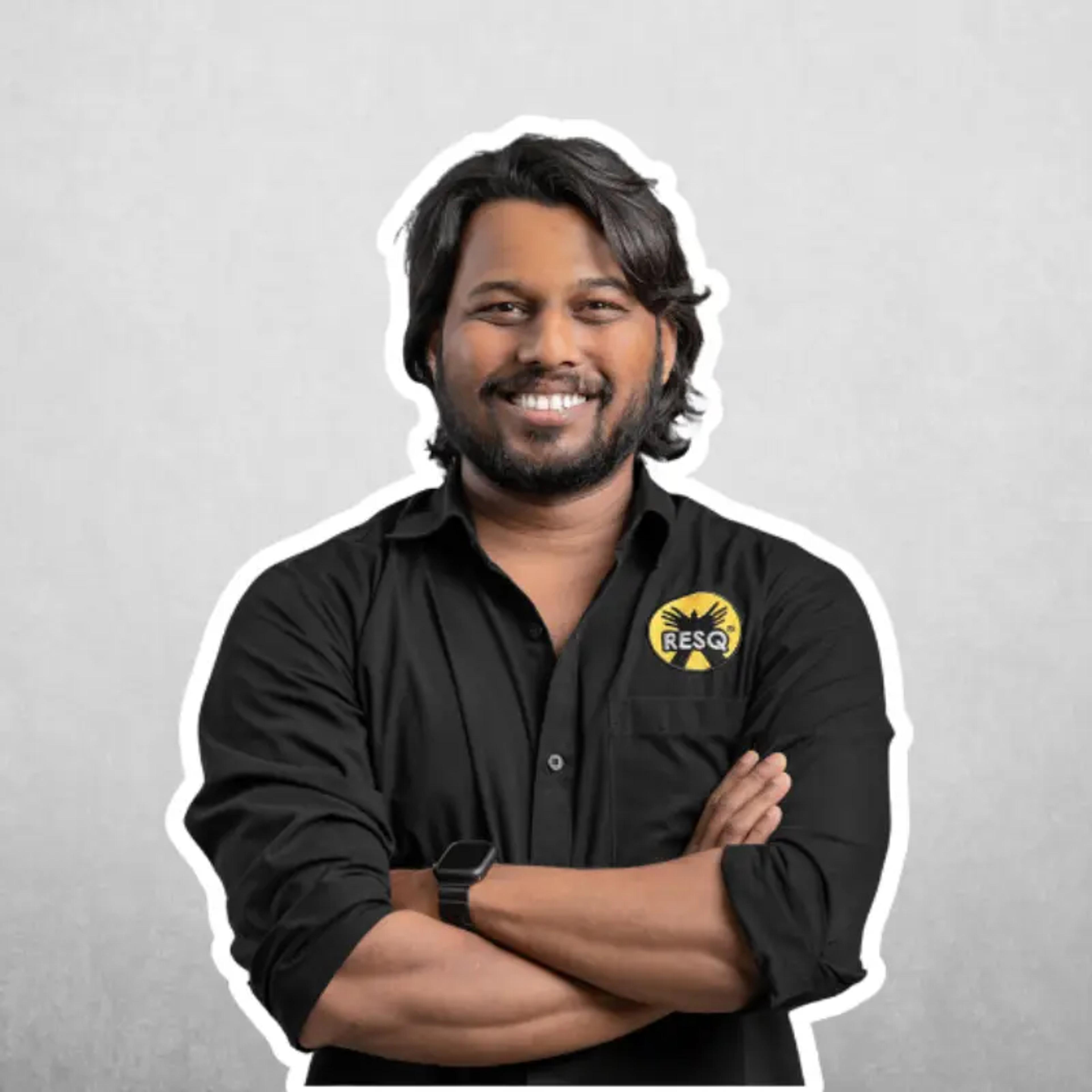
Head - Finance & Admin
Manages budgets, compliance and organisational systems, bringing a commerce background to a busy multi-centre operation. Proof that conservation runs on spreadsheets as much as on pure adrenaline.
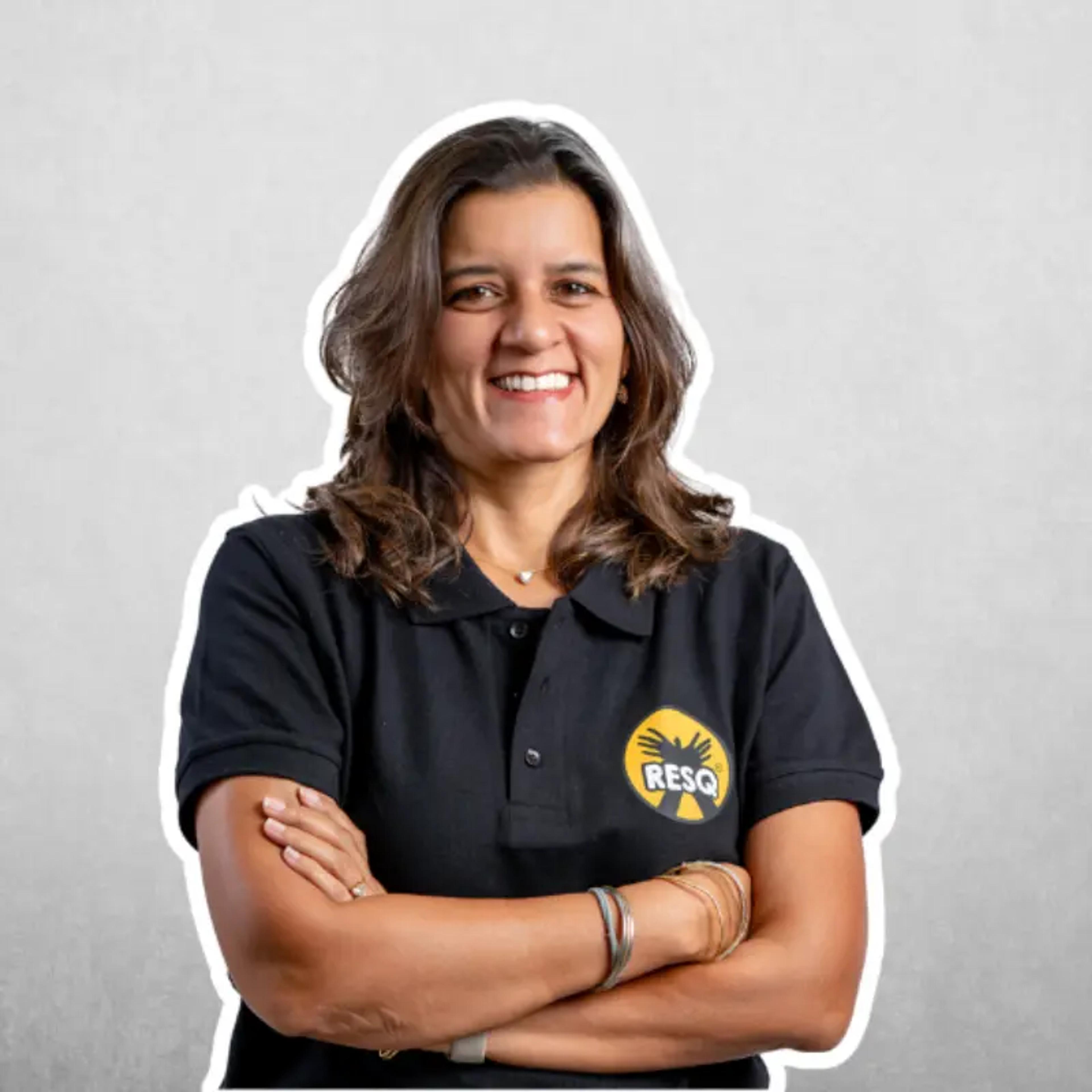
Head - Philanthropic Partnerships
Manages grants, brand collaborations and communications, and supports daily administration at the Goa transit treatment centre. Writes the funding pitch, then helps keep the lights on to deliver it.

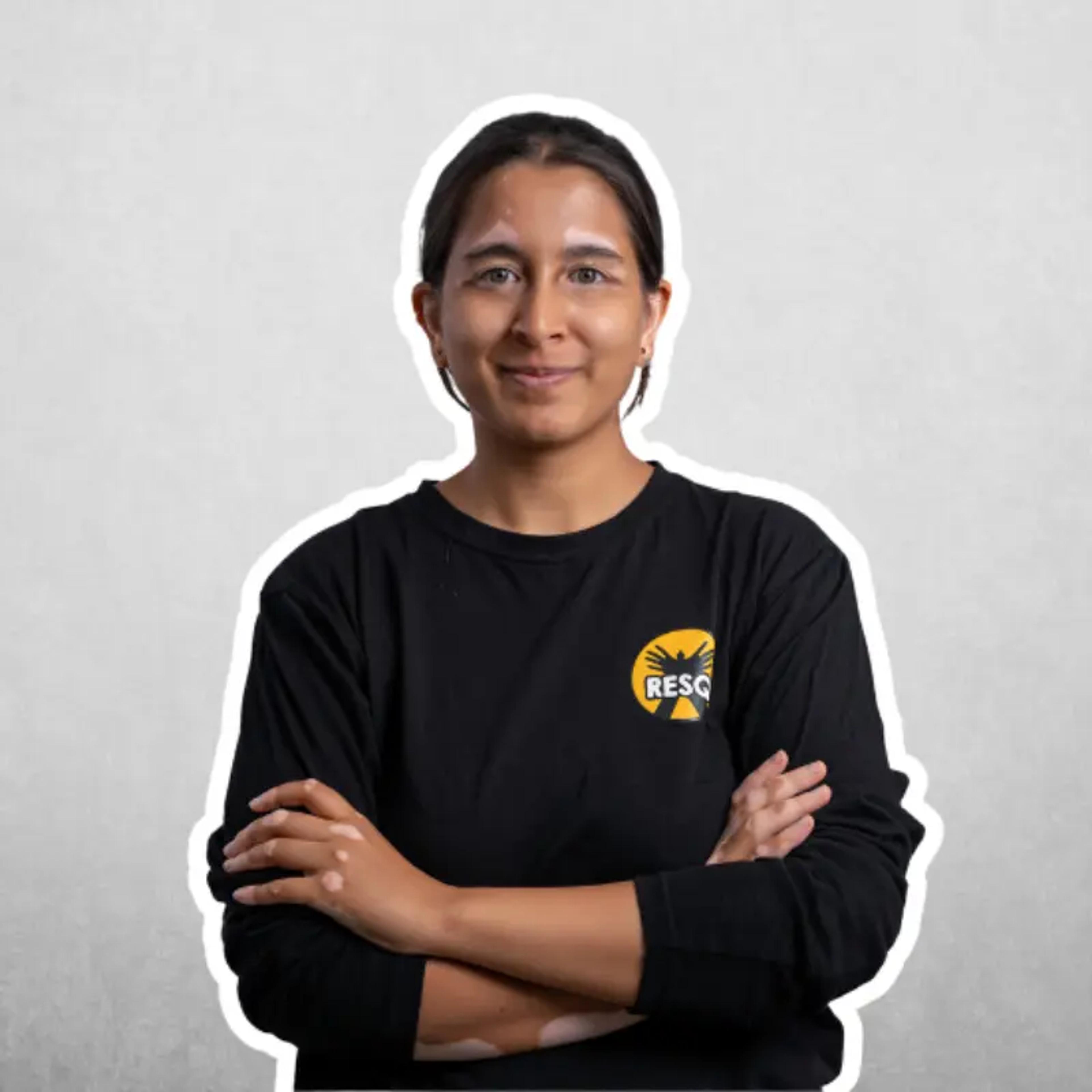
Head - Wildlife Conservation
Oversees rehabilitation protocols and care standards for over 250 wild species, which is roughly 250 different opinions on dinner. Holds an MSc in Biology, awarded cum laude, from KU Leuven, Belgium.
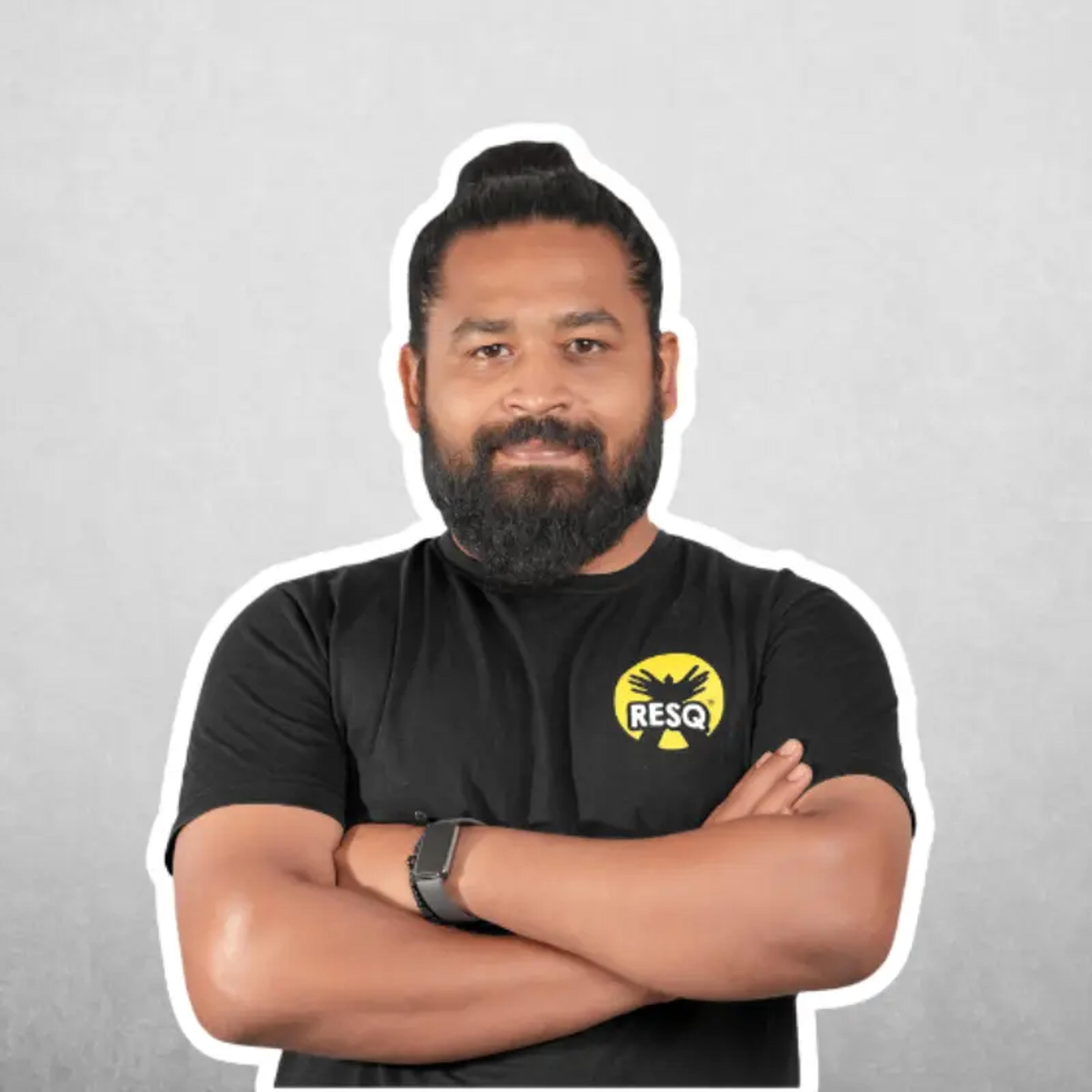
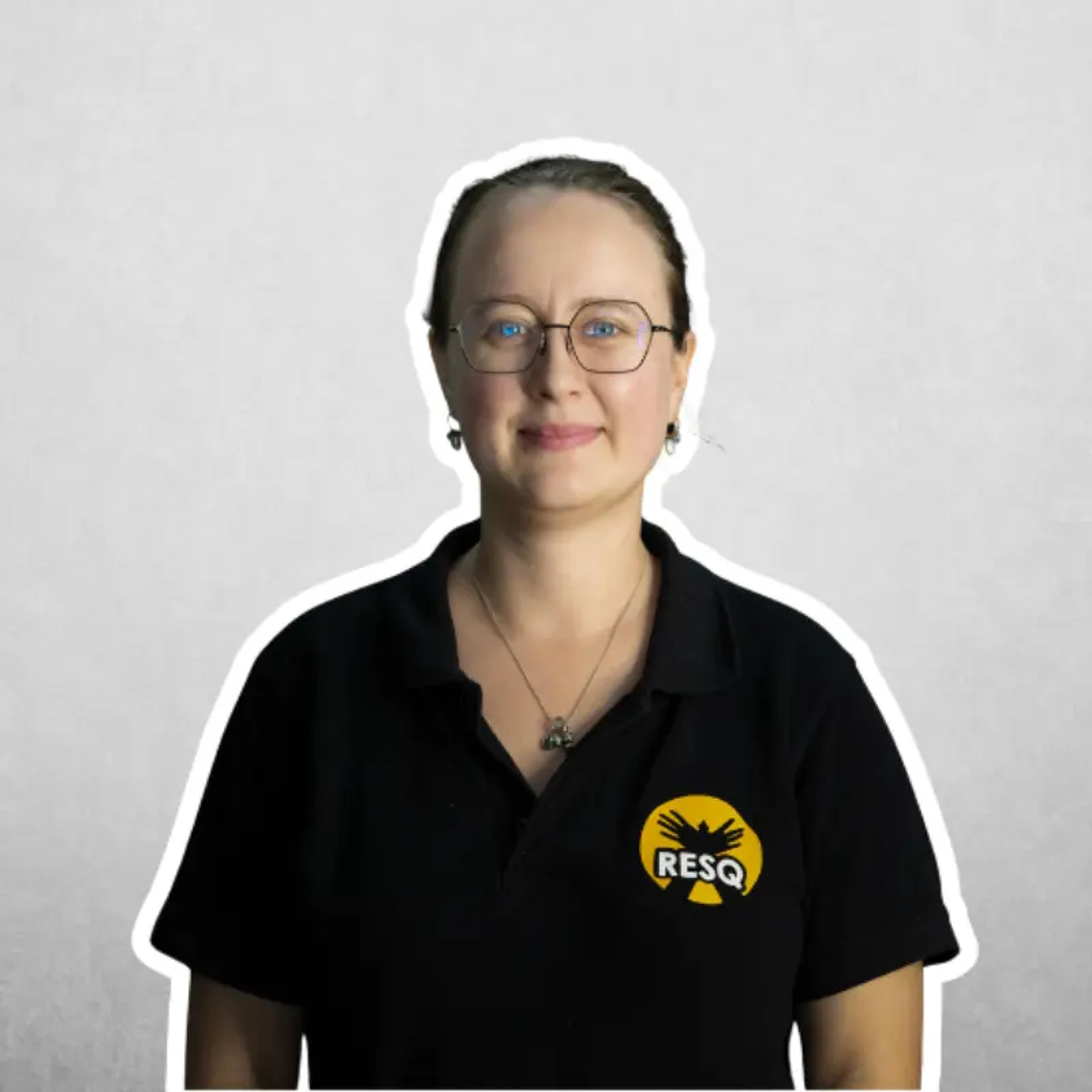
Head - Wildlife Rehabilitation
Brings international clinical and wildlife experience to the rehabilitation programme, having trained in veterinary medicine at the University of Copenhagen. Now working in rather warmer weather.
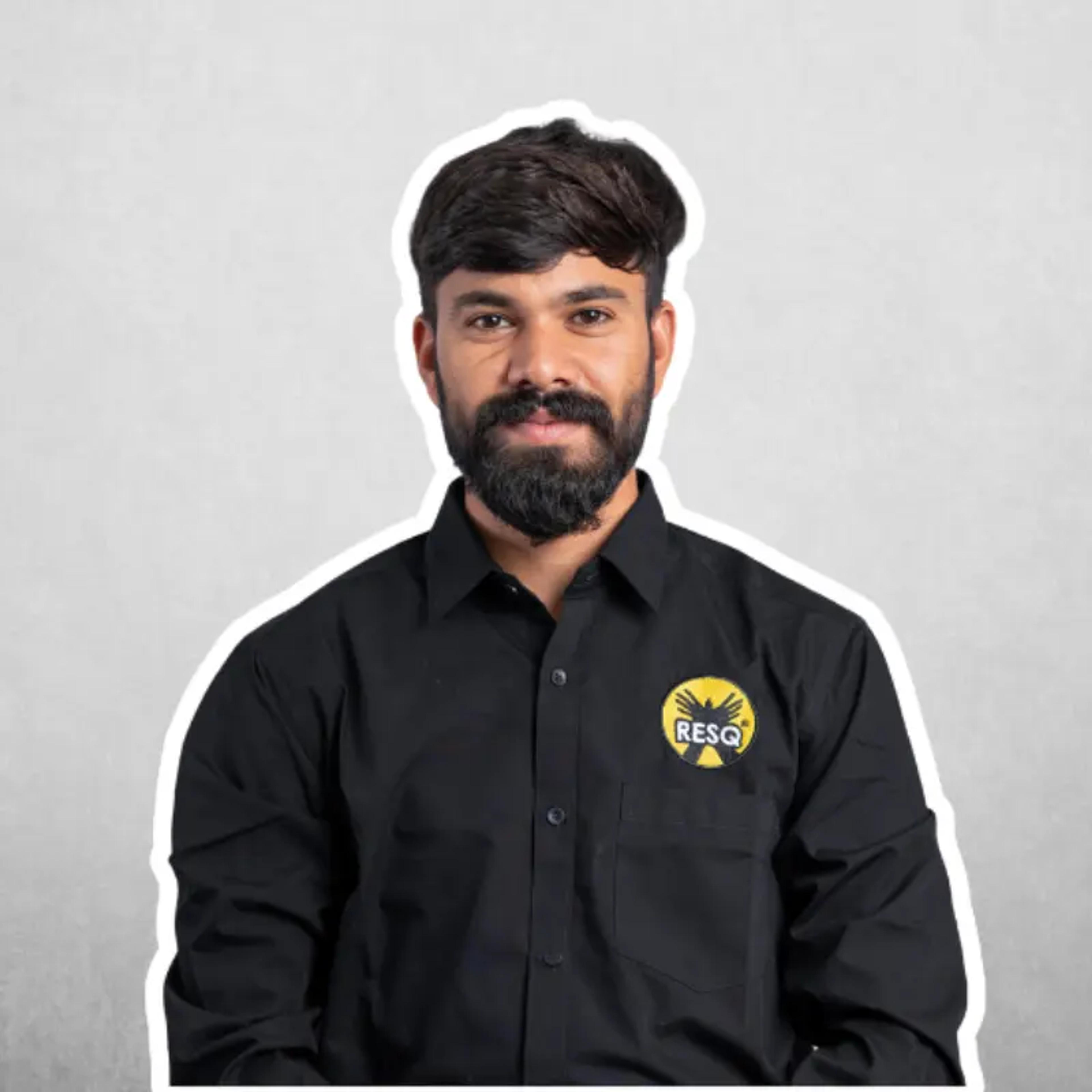

Sr. Veterinarian
Practising wildlife medicine, surgery and chemical immobilisation since 2017, and holds a PhD in Veterinary Clinical Medicine from Nagpur Veterinary College. Often operating on species with no manual.

Veterinarian
Provides clinical and field care across every species that comes through the door, and is an experienced darter on the field capture and rescue team. At home in theatre and in a sugarcane field alike.

Veterinarian
Provides clinical care across every species that arrives, from the very small to the distinctly toothy. An experienced darter, also trained in chemical immobilisation for field rescue operations.

Head - Outreach
Leads a school education programme on human-wildlife coexistence, developing region-specific learning modules and an online wildlife learning portal. Teaching the generation that will inherit this.
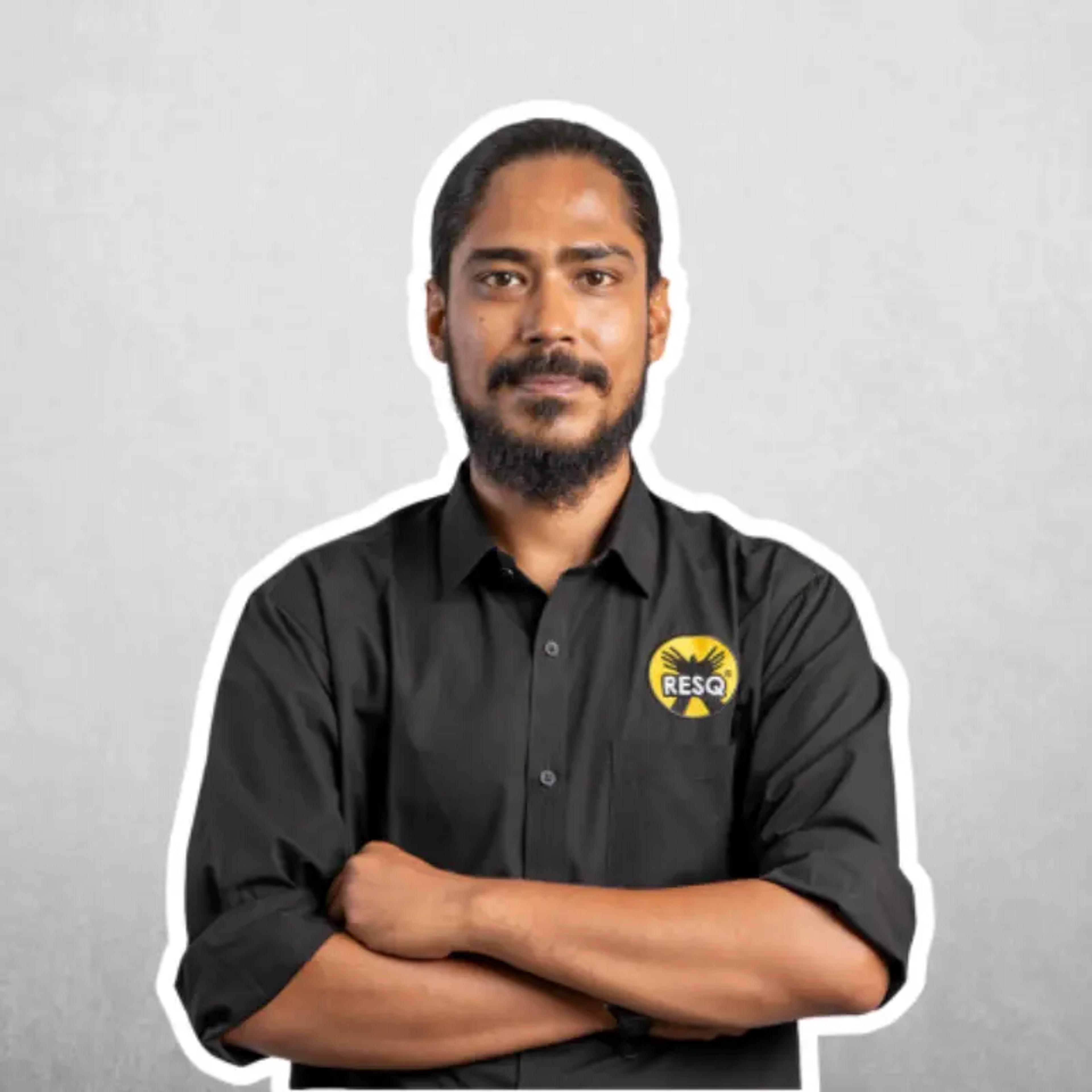
Manager - Community Engagement
Builds community engagement, volunteer programmes and corporate partnerships, after six years spent in fundraising and outreach with other conservation groups. Can turn a polite maybe into a firm yes.

Community Engagement Officer
Works on grants, CSR partnerships and the volunteer programme, having previously coordinated counter wildlife trafficking training workshops. Fluent in both donor language and muddy field reality.

Manager - Veterinary Operations
Runs the hospital's daily functioning, case flow and scheduling, coordinating the veterinary team through treatment, follow-up and aftercare. The reason a busy morning still looks orderly by noon.
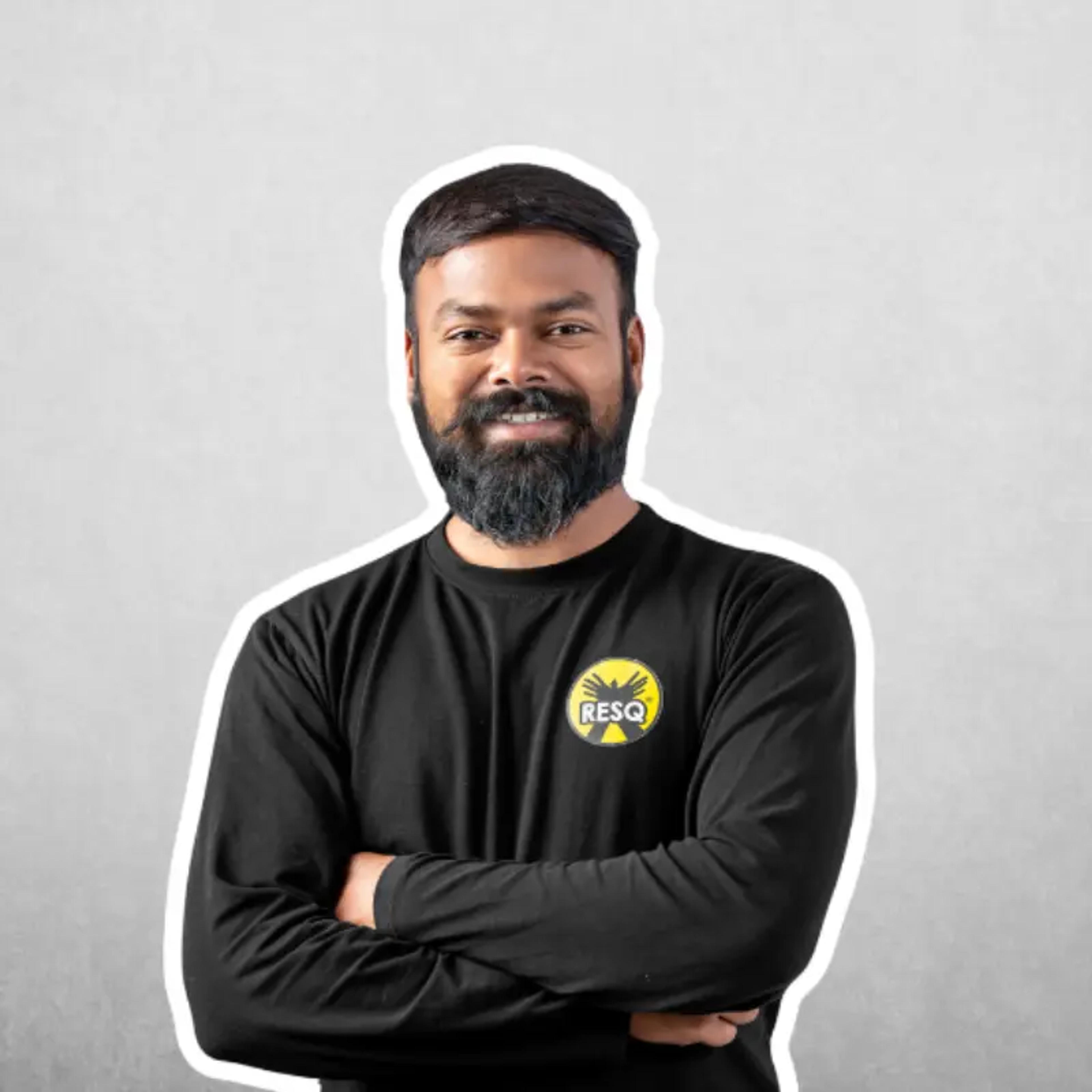
Manager - Nashik Division
Coordinates rescue and centre operations across the Nashik region, and also leads outreach and community engagement there. Splits his time between the rescue vehicle and the village hall meeting.
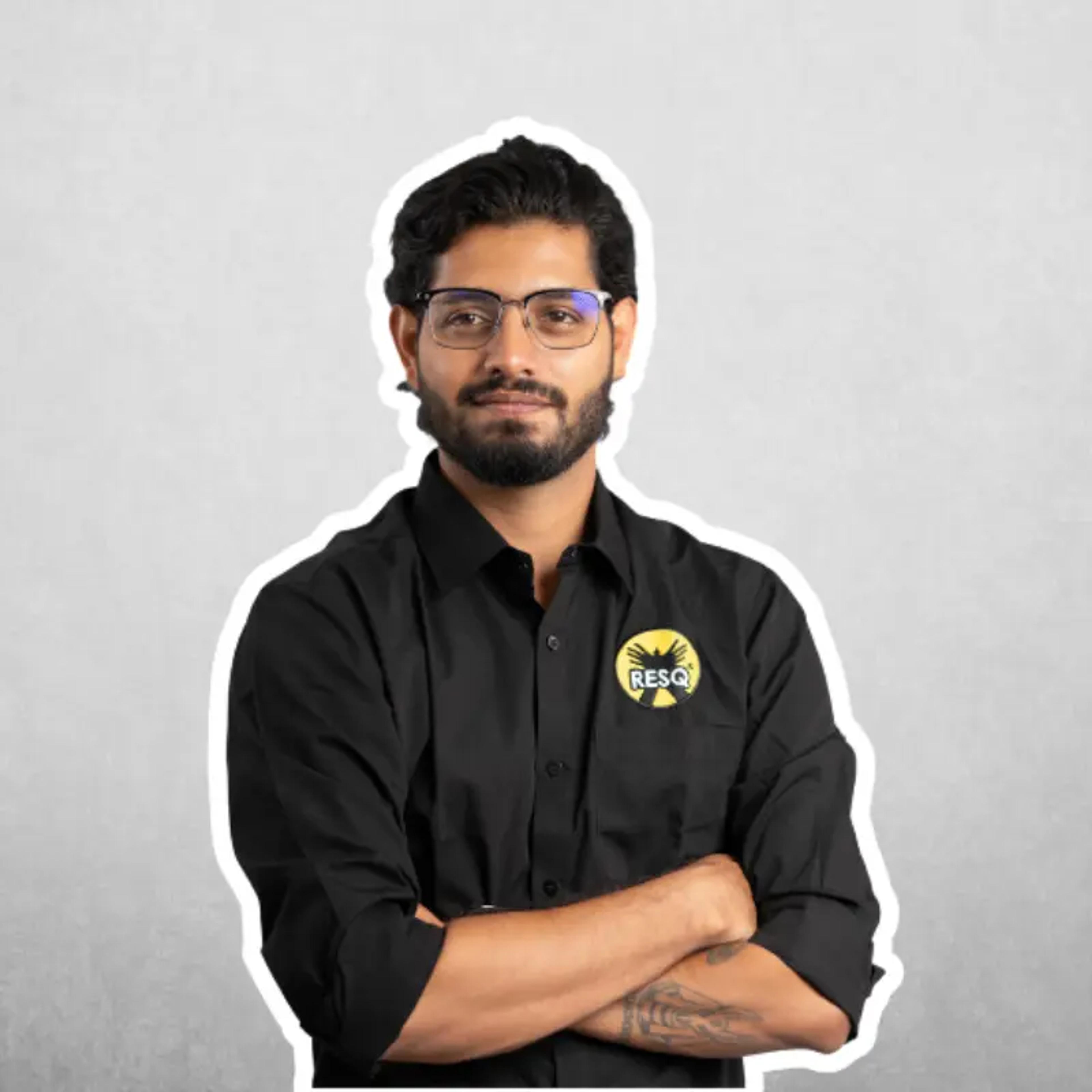
Manager - Centre Operations
Keeps infrastructure and utilities running across all facilities, from enclosures to equipment to the power supply. Invisible work, until a surgery light needs to stay on and quietly keeps doing so.

Sr. Wildlife Response Technician
Coordinates rescue calls and dispatch from the command control centre, and is a certified drone pilot flown in for aerial support. He is the calm voice when the person on the phone is anything but.
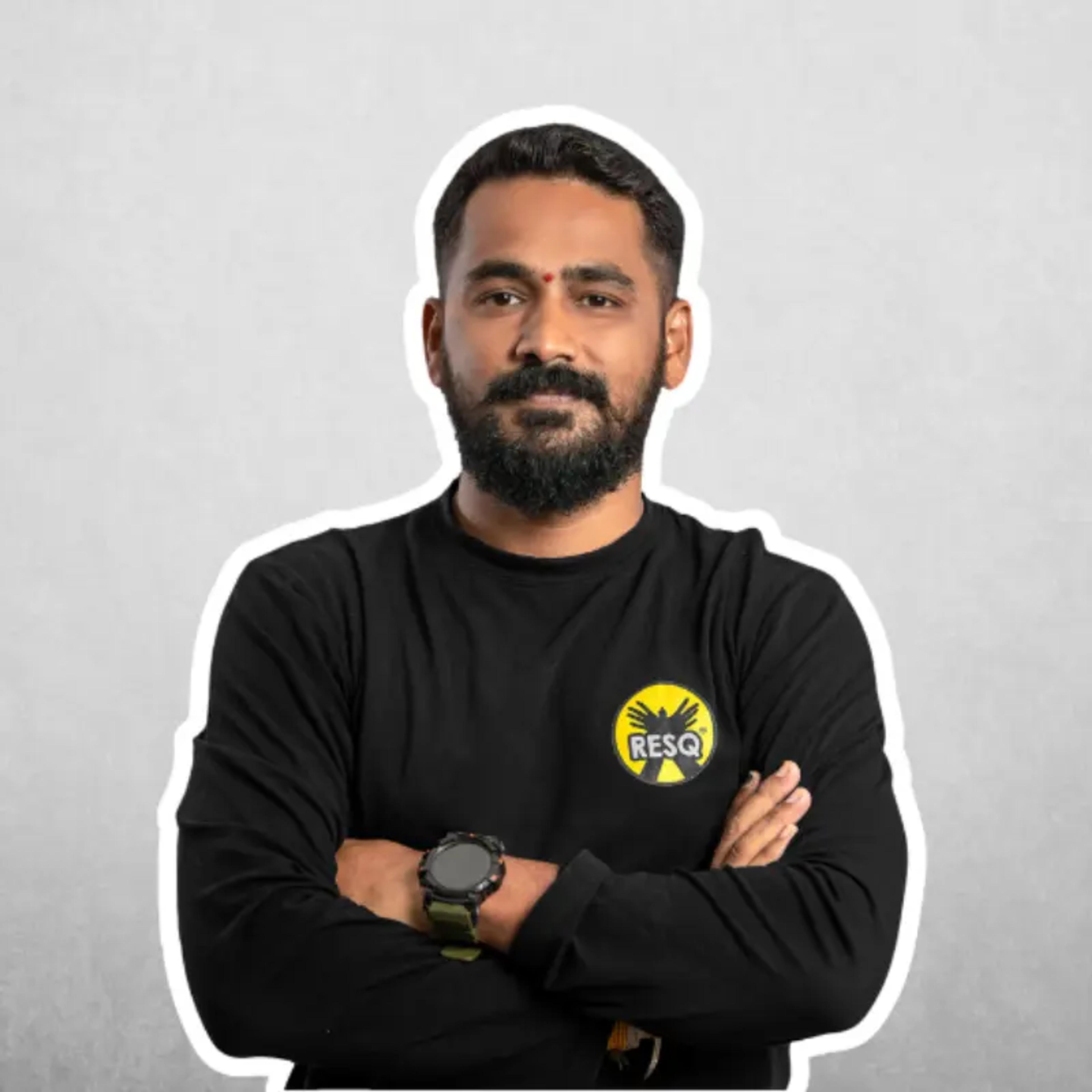
Sr. Wildlife Response Technician
Pairs field rescue work with community engagement, leading the on-site conversations with residents during conflict situations. Talks down the crowd first, then gets on with the actual rescue work.
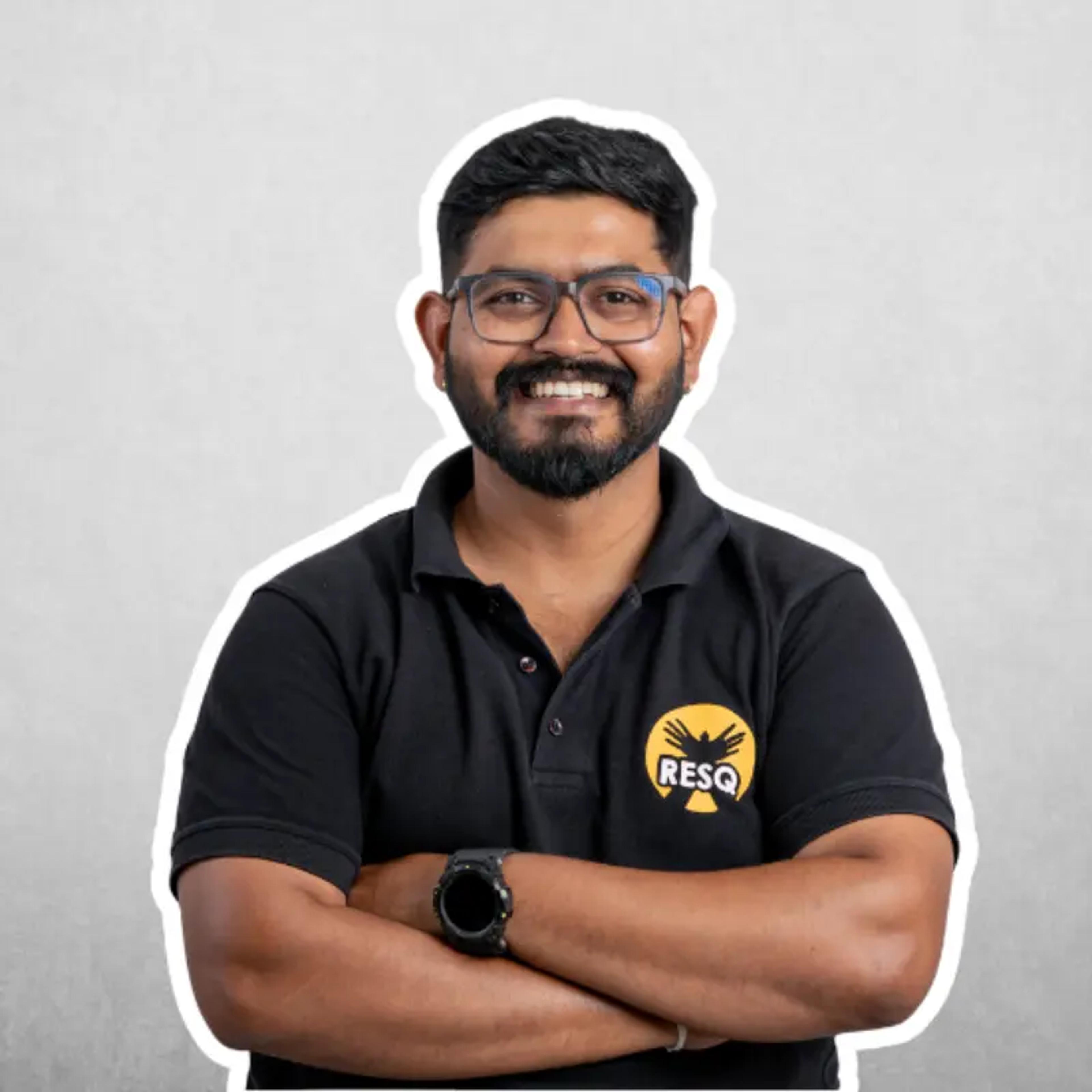
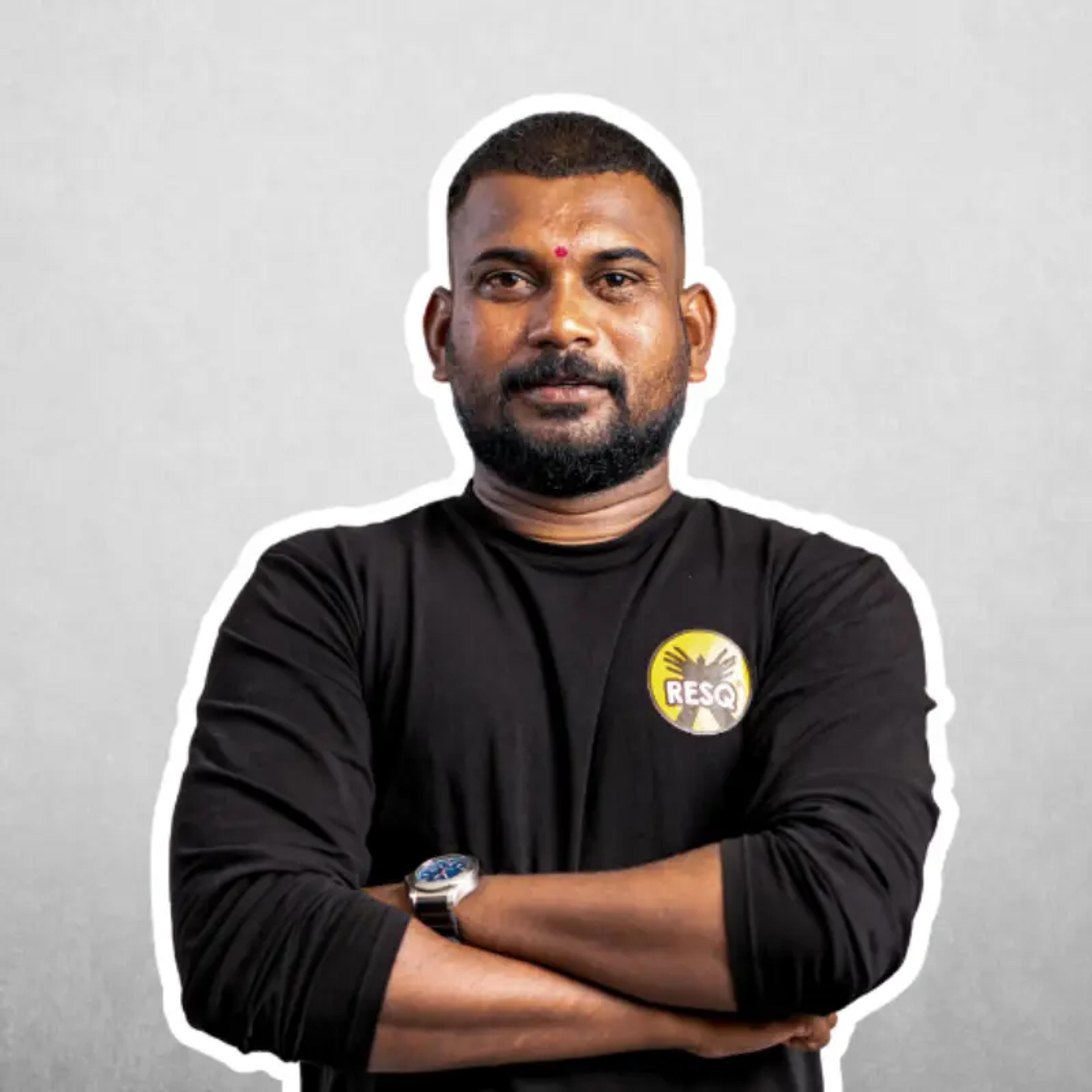
Sr. Wildlife Response Technician
Answers wildlife emergencies across the field network, and is the one the team counts on when a rescue stretches into its eighth day. Sleep, he maintains, is negotiable; the animal's welfare is not.
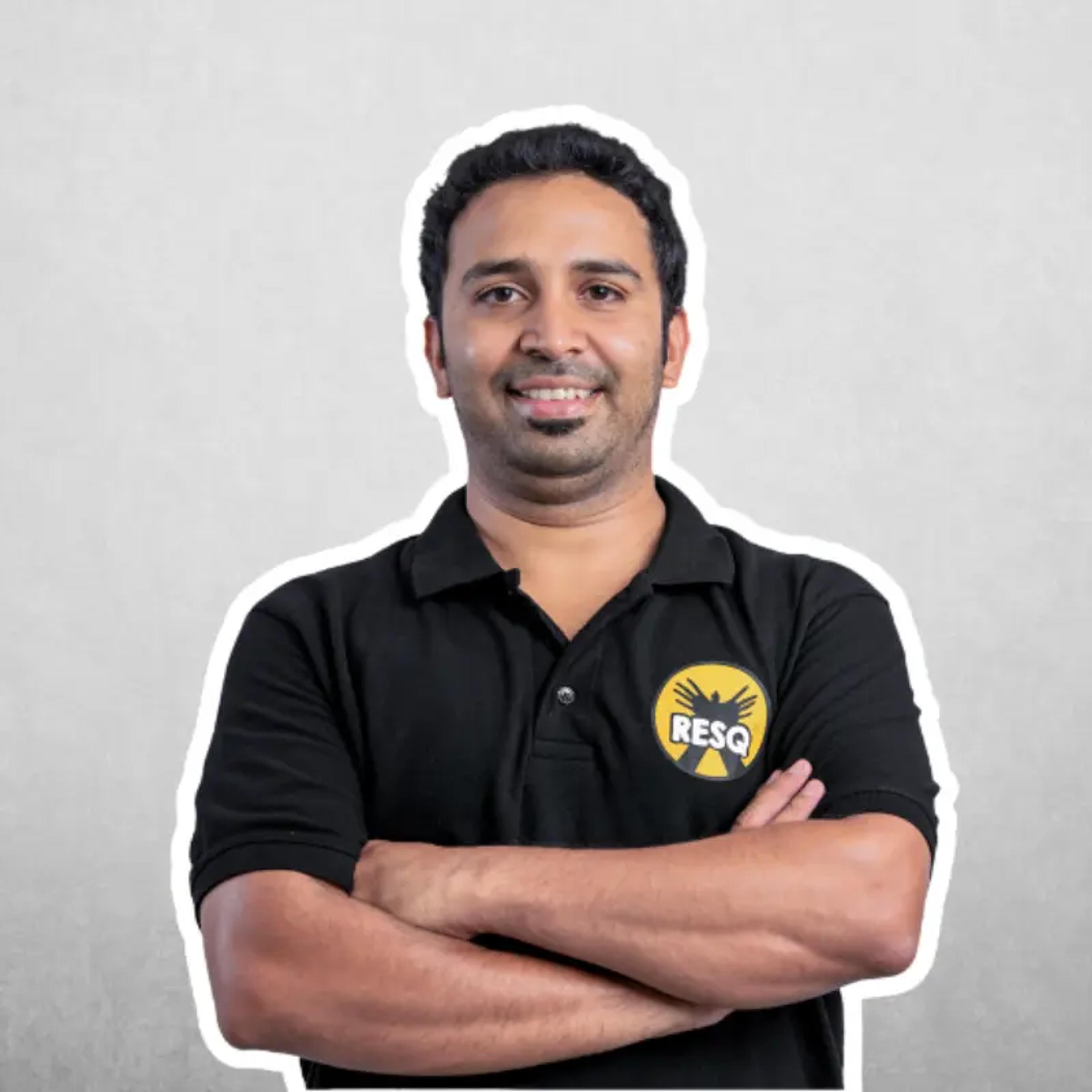
Sr. Manager - Centre Operations
Oversees facility management, the small animal sanctuary and large animal rescue, after a corporate career in business law and banking. Traded contracts for community animals, and reports no regrets since.
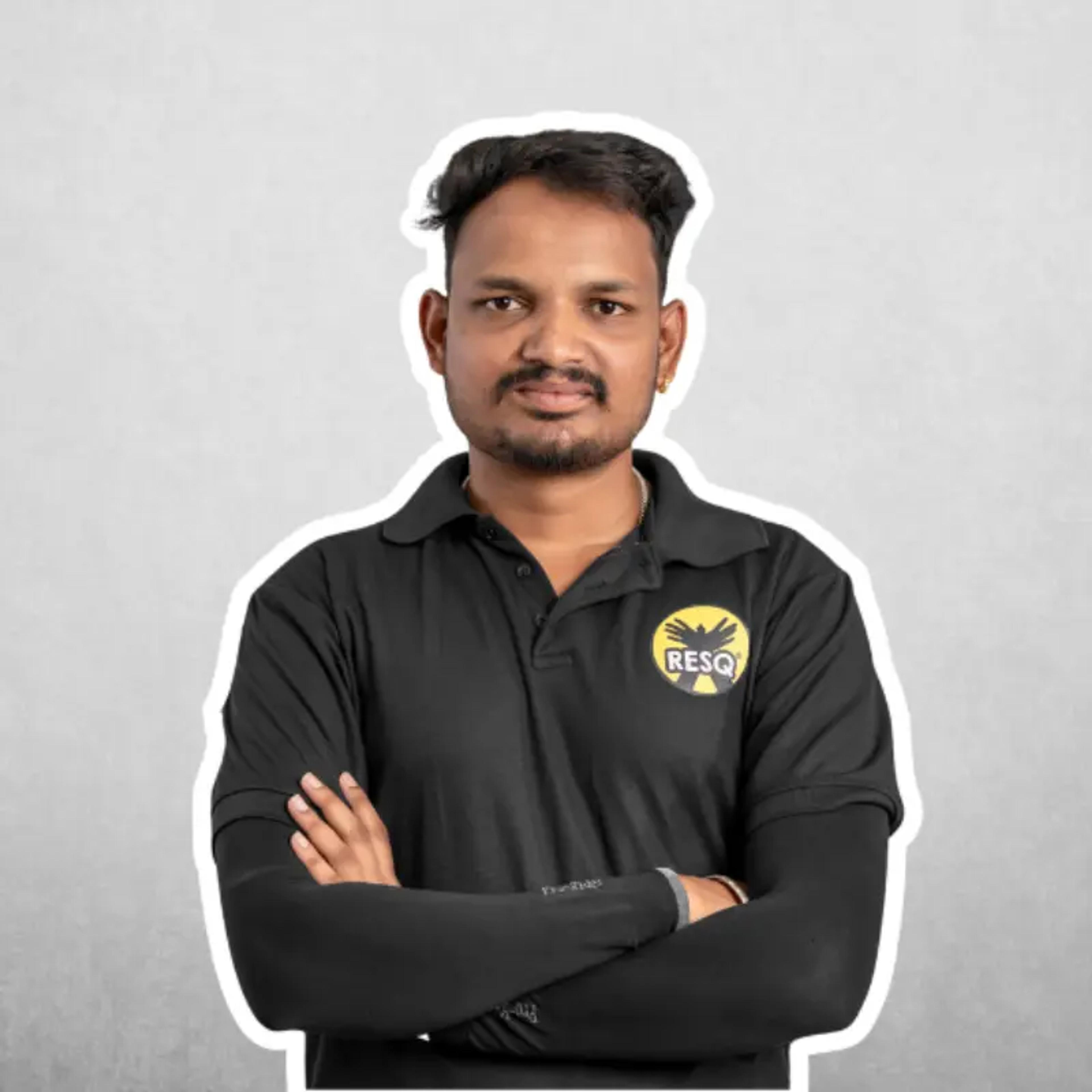
Sr. Wildlife Response Technician
Leads the remote wildlife response squad at Baramati, taking rescue calls across a wide rural landscape where the nearest help is usually him. Field response remains his first and favourite work.

Manager - Rehabilitation
Runs the rehabilitation team, overseeing daily animal care and recovery planning from admission through husbandry to release. Measures success by how quickly patients want nothing to do with her.
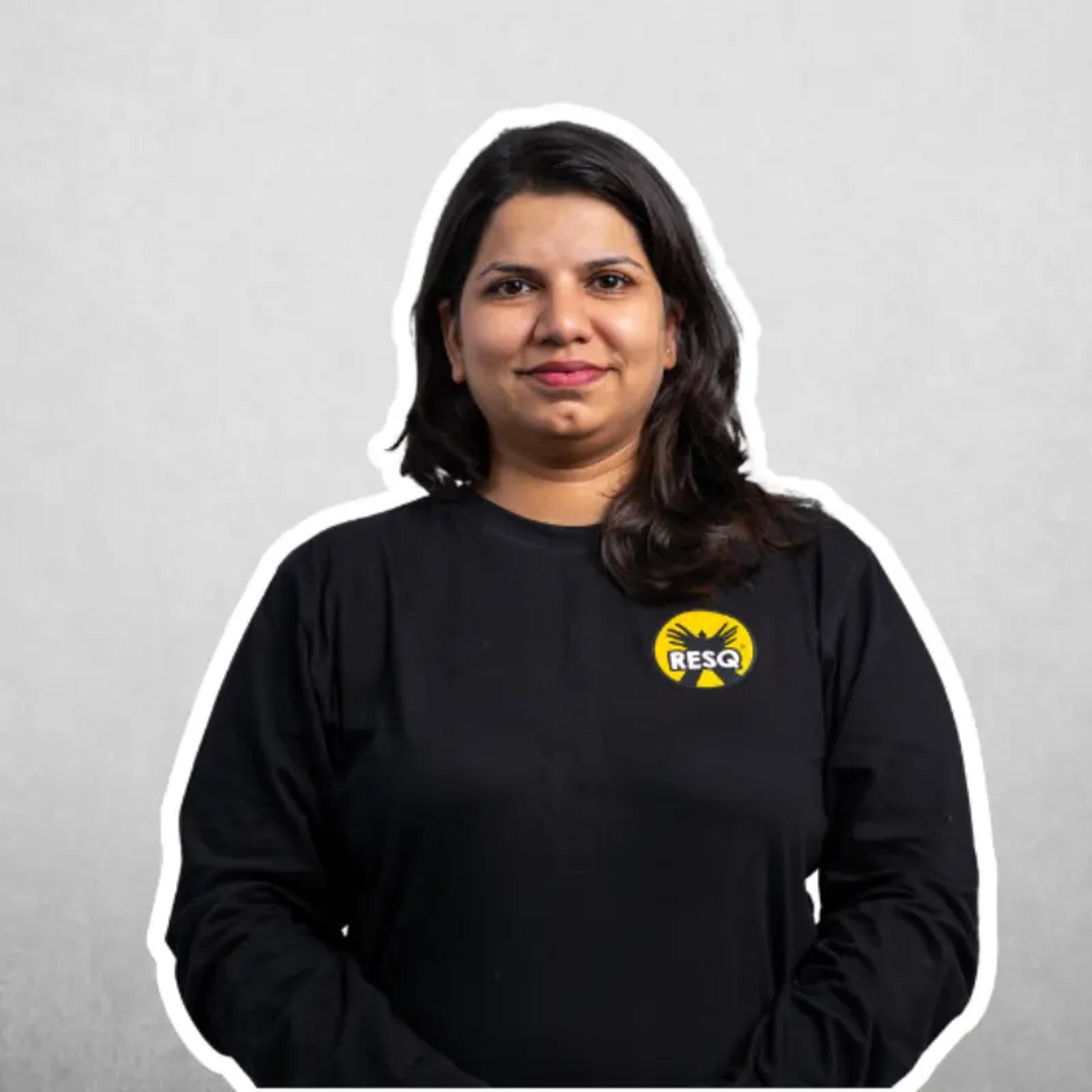
Manager - Procurement and Stores
Handles procurement, supplier negotiations and inventory, keeping every syringe, splint and sack of feed exactly where it should be. Nothing reaches a patient without first passing through her stores.
All of us
Behind the leadership stands the full breadth of the organisation. Wildlife field technicians, veterinarians and para-veterinarians, wildlife rehabilitators, biologists, field coordinators, outreach educators, facility caretakers, and administrative and communications staff together cover every discipline this work demands. The range is the point: a single rescue can call on rope access skills, veterinary judgement, crowd management, species knowledge, and paperwork done right, often within the same hour. Conservation at this scale is a team sport, and this team plays every position.
Four-legged team
Some of our most capable team members work on four legs. The Wildlife Detection Dog Unit is deployed to locate injured or concealed wildlife, track movement in conflict zones, assist the Forest Department in anti-poaching efforts, and detect illegally trafficked wildlife products. With rapid deployment capability and scent detection no instrument can match, these trained dogs function as force multipliers in urban and forested environments alike, extending what the human team can achieve alone. They are trained, handled, and cared for to the same professional standard as every other member of the organisation, because that is precisely what they are.
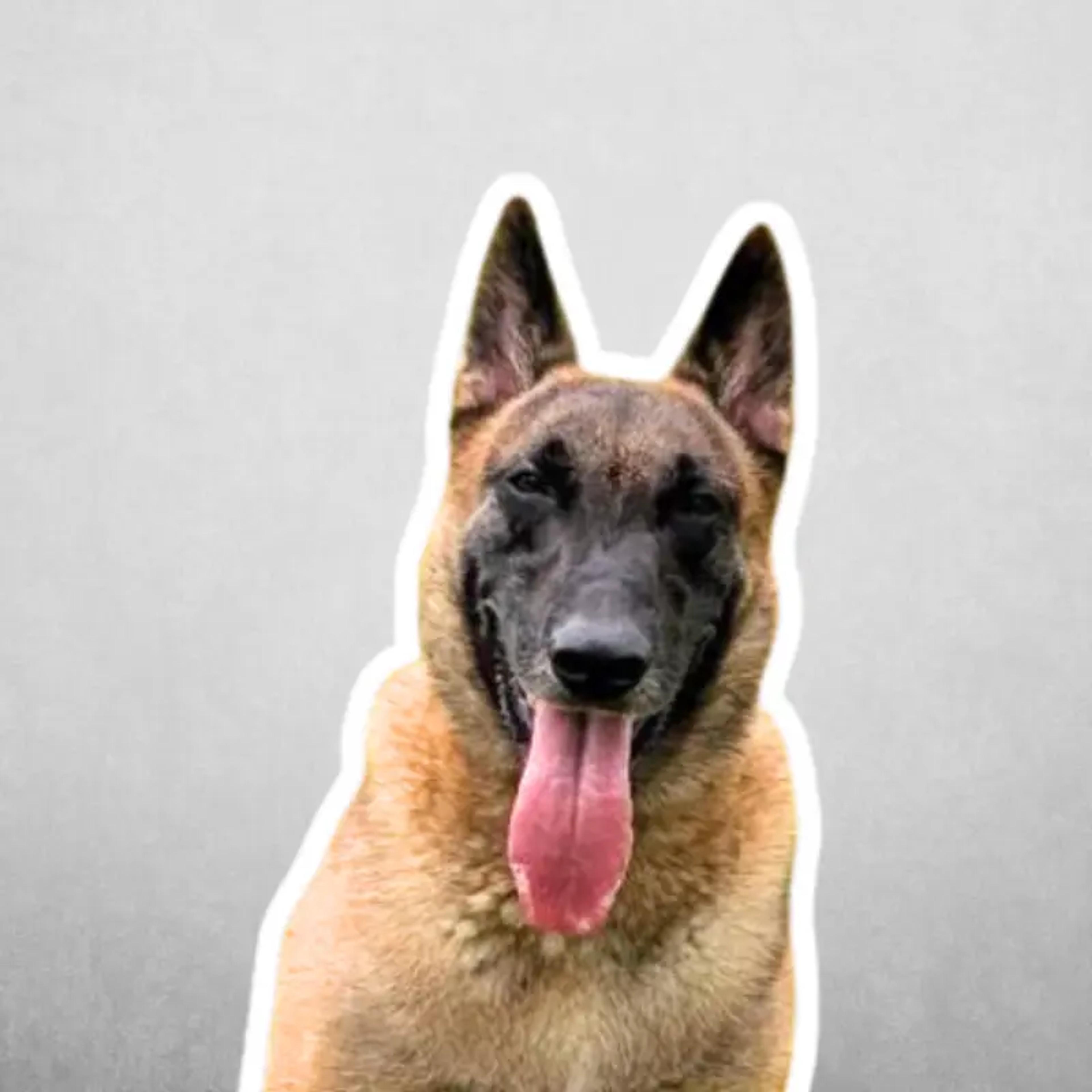
Belgian Malinois
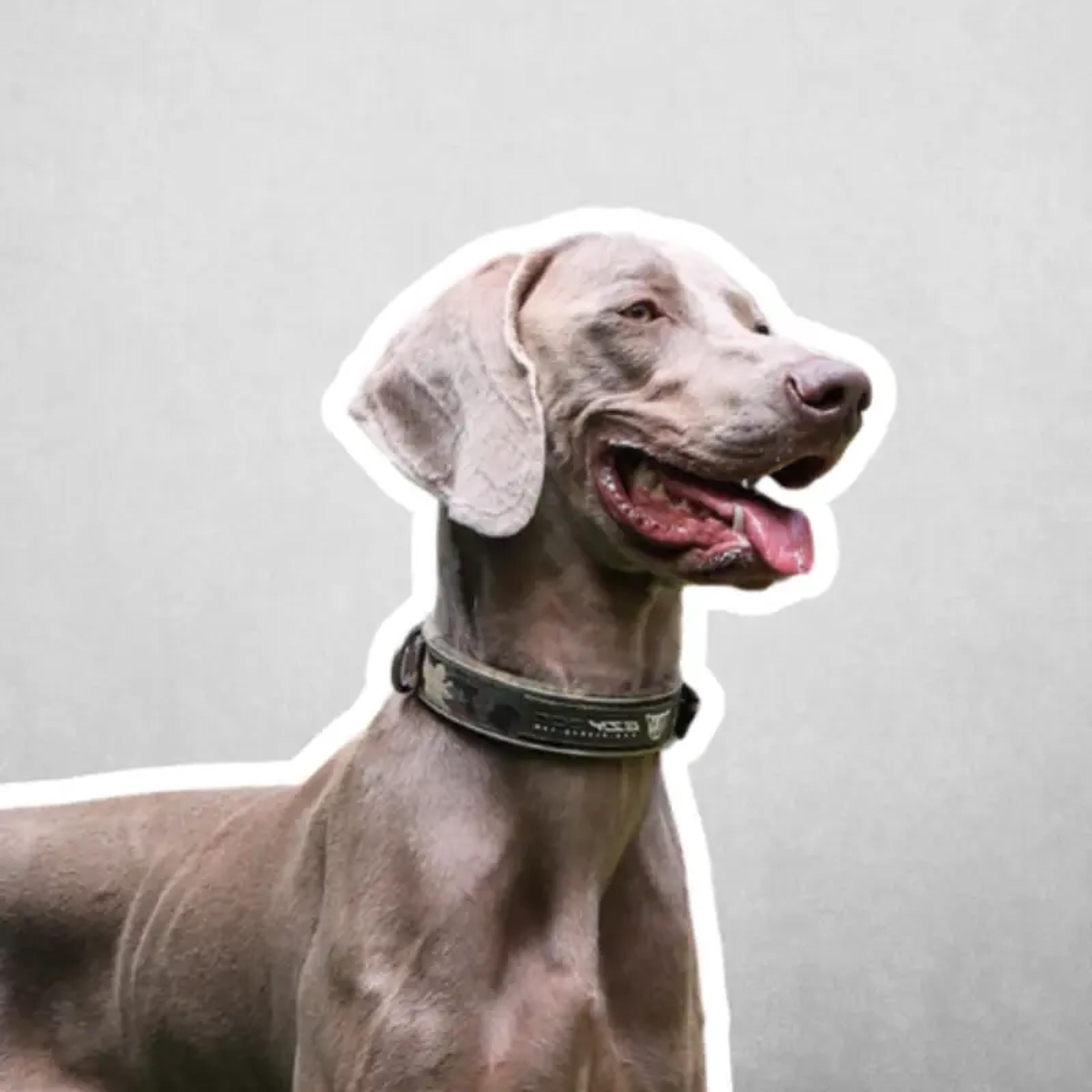
Weimaraner
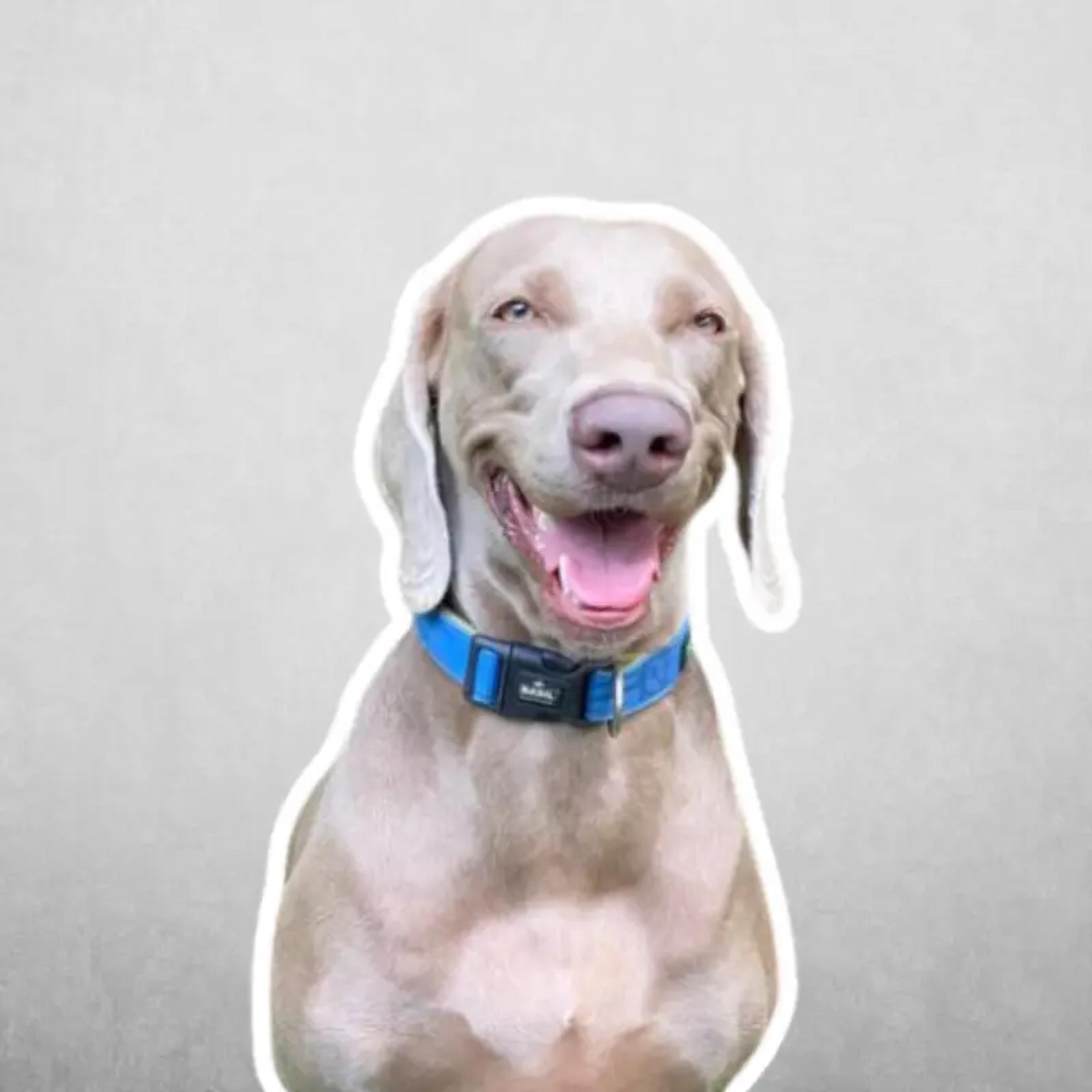
Weimaraner
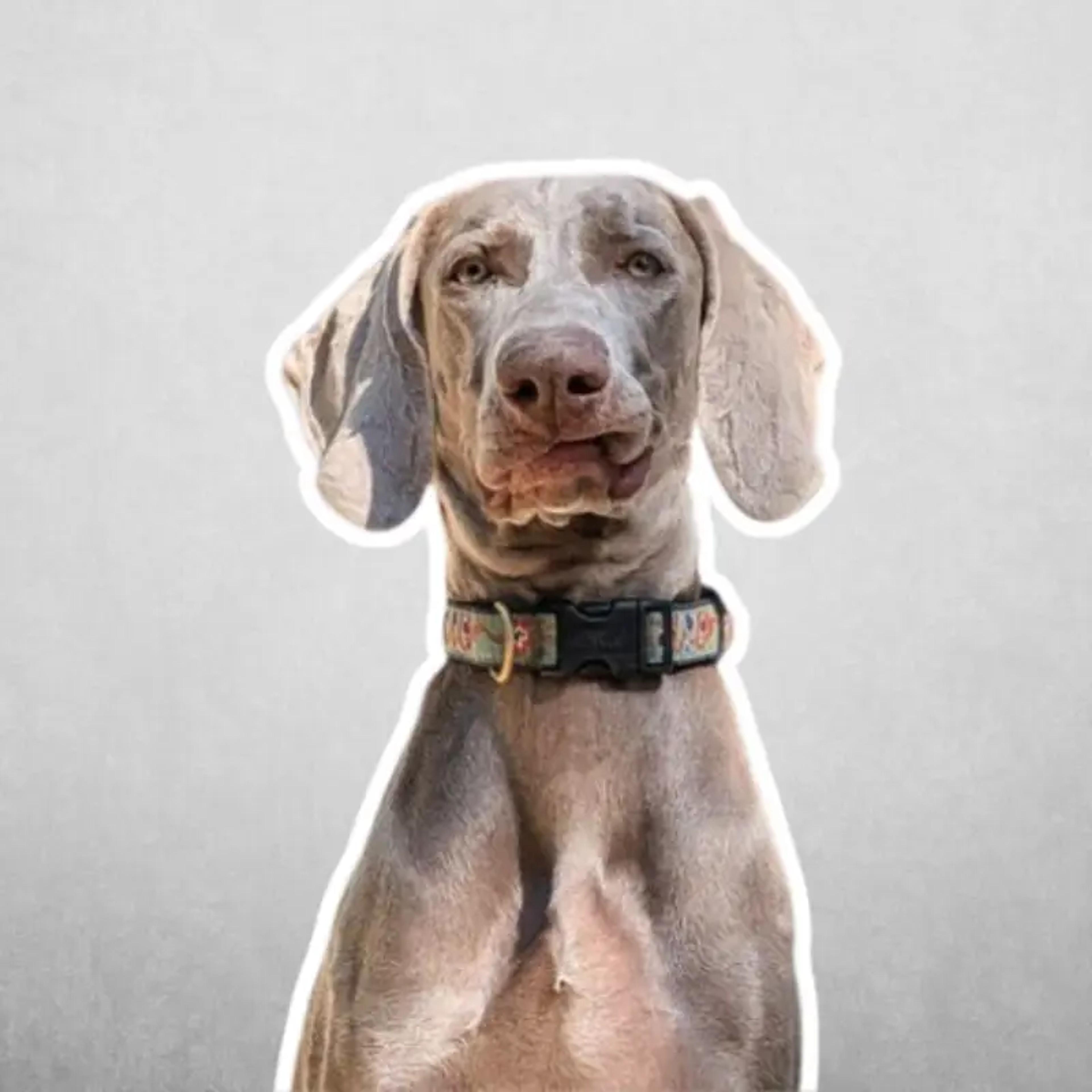
Weimaraner
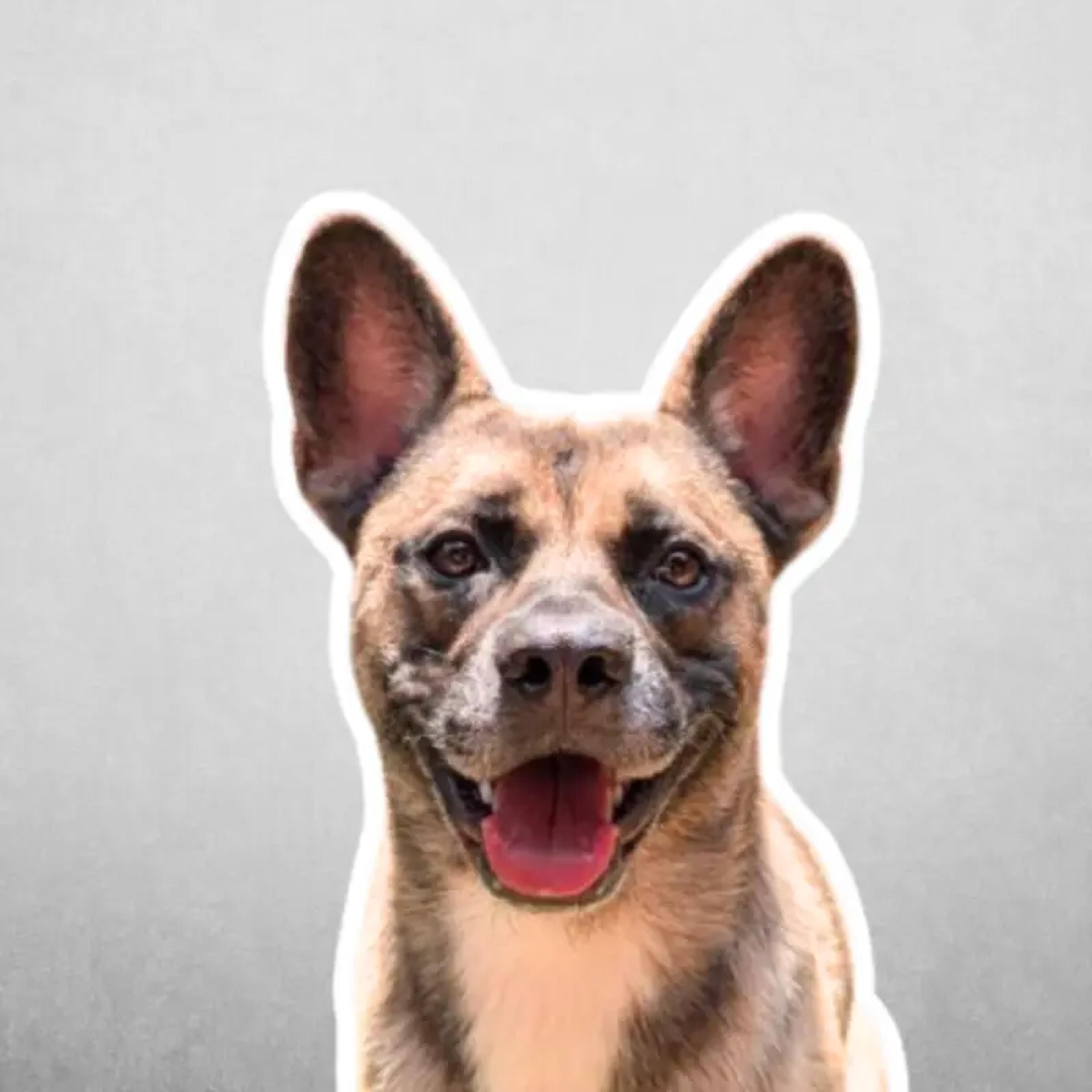
Indian Mixed Breed
Code of ethics
Skill makes this team capable. A shared standard of conduct makes it trustworthy. RESQ CT operates under a formal Code of Ethics for wildlife rescuers and rehabilitators, developed internally to articulate the principles of humane, science-based, and professionally accountable practice that every team member upholds. In a field where decisions are made fast and under pressure, that ethical framework is the foundation on which every judgement rests. Three defining strengths flow from it.

We apply rigorous, science-based methods and cutting-edge technology to ensure every wildlife intervention is precise, effective, and ethical. In a field where urgency can tempt shortcuts, we hold the line on quality.

We evolve constantly through research, reflection, and real-world experience. No two rescues are identical, and no system we build is considered finished. The field teaches us daily, and we are committed to listening.

We bring passion to this work and deliver it with professionalism. Practical, dependable, well-judged outcomes require both the fire to care and the discipline to act wisely. At RESQ, the two are inseparable.
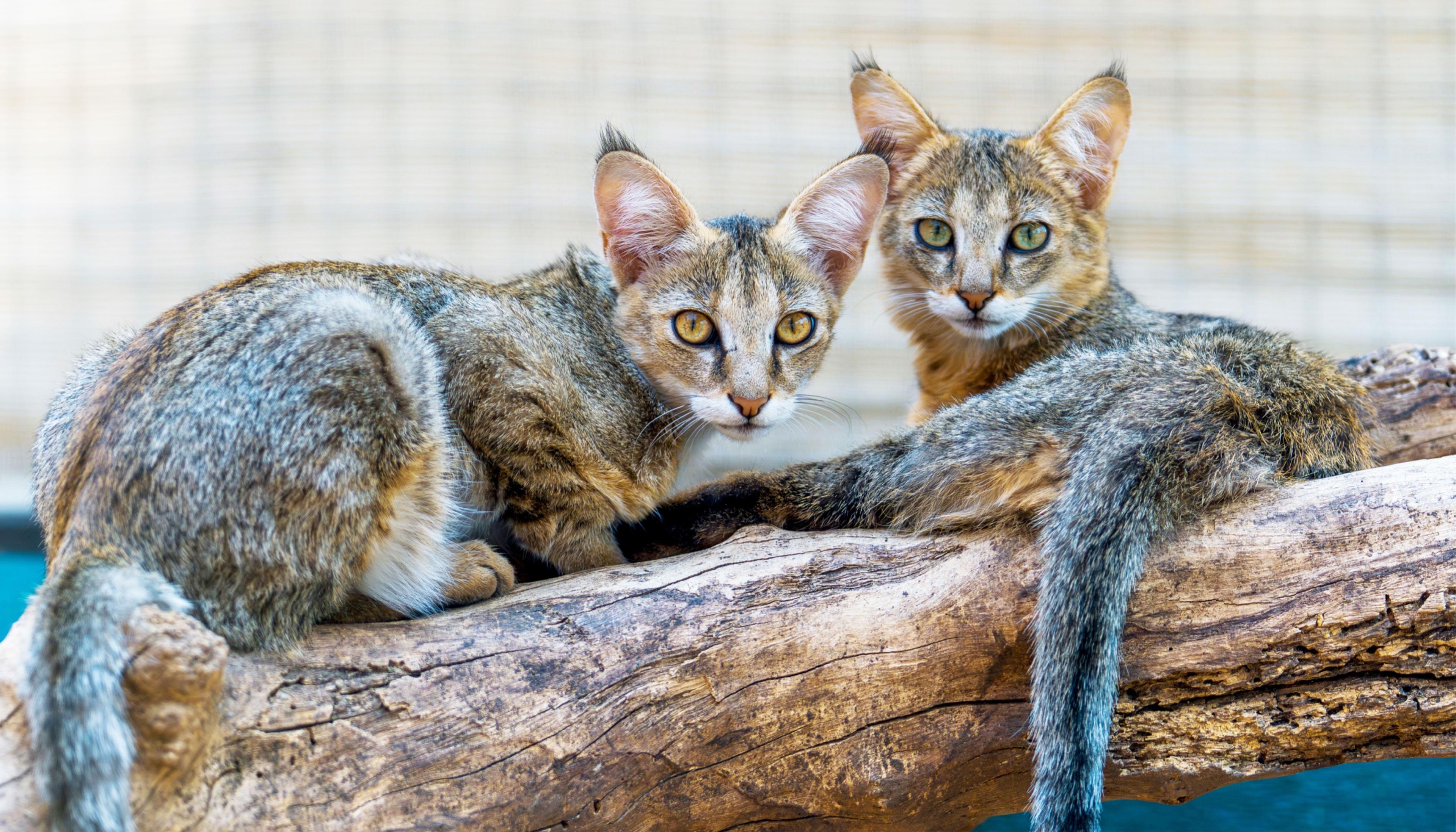 Read moreOur PartnersThe forest departments, agencies, companies and international organisations RESQ works with.
In About us
 About RESQ
 Our story
 Our purpose
 Our approachYou're hereOur teamOur partners
Support this work
A rescue is only the first step. Treatment, rehabilitation, release and the prevention work that follows all depend on people who choose to stand behind it.
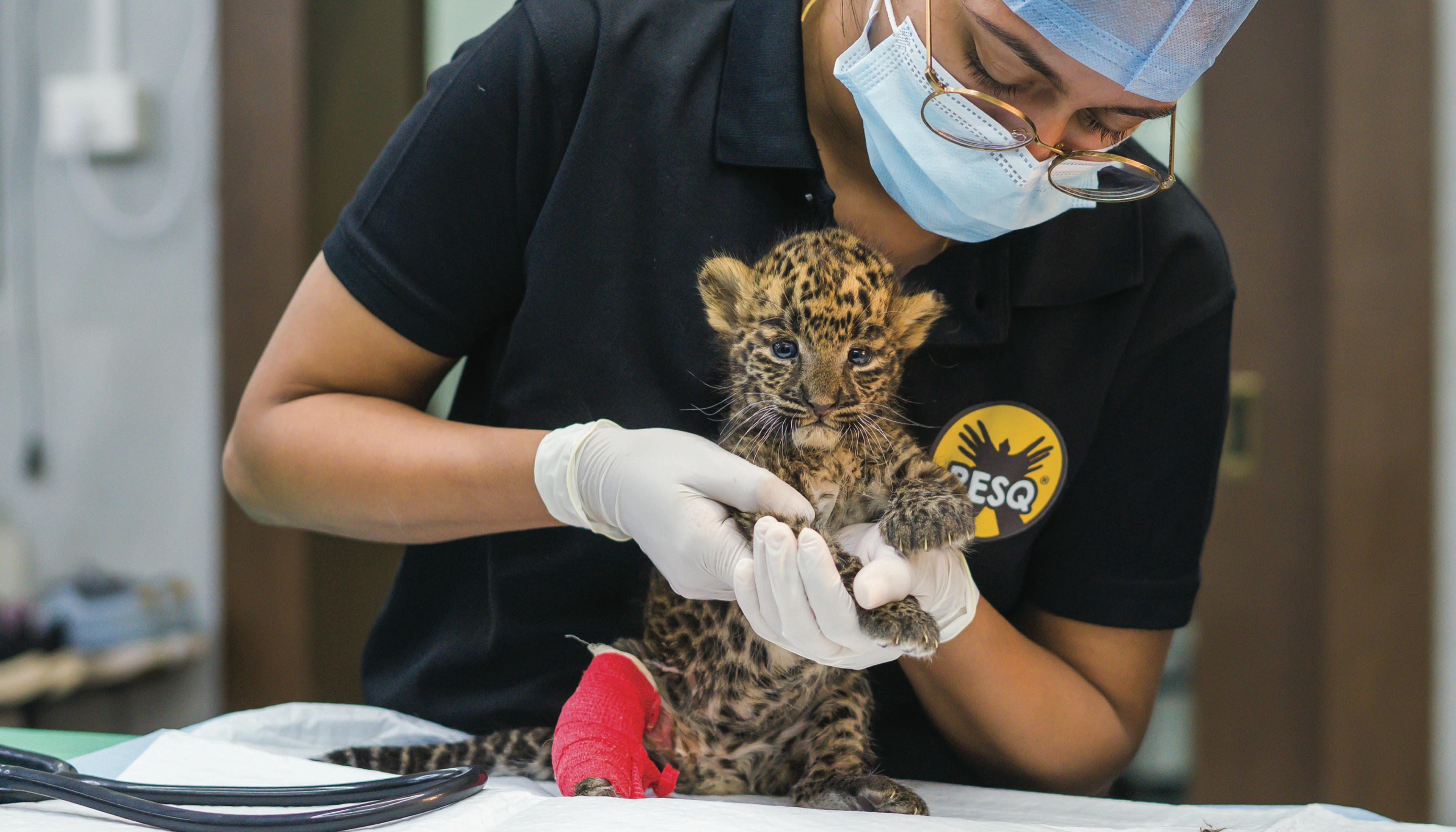
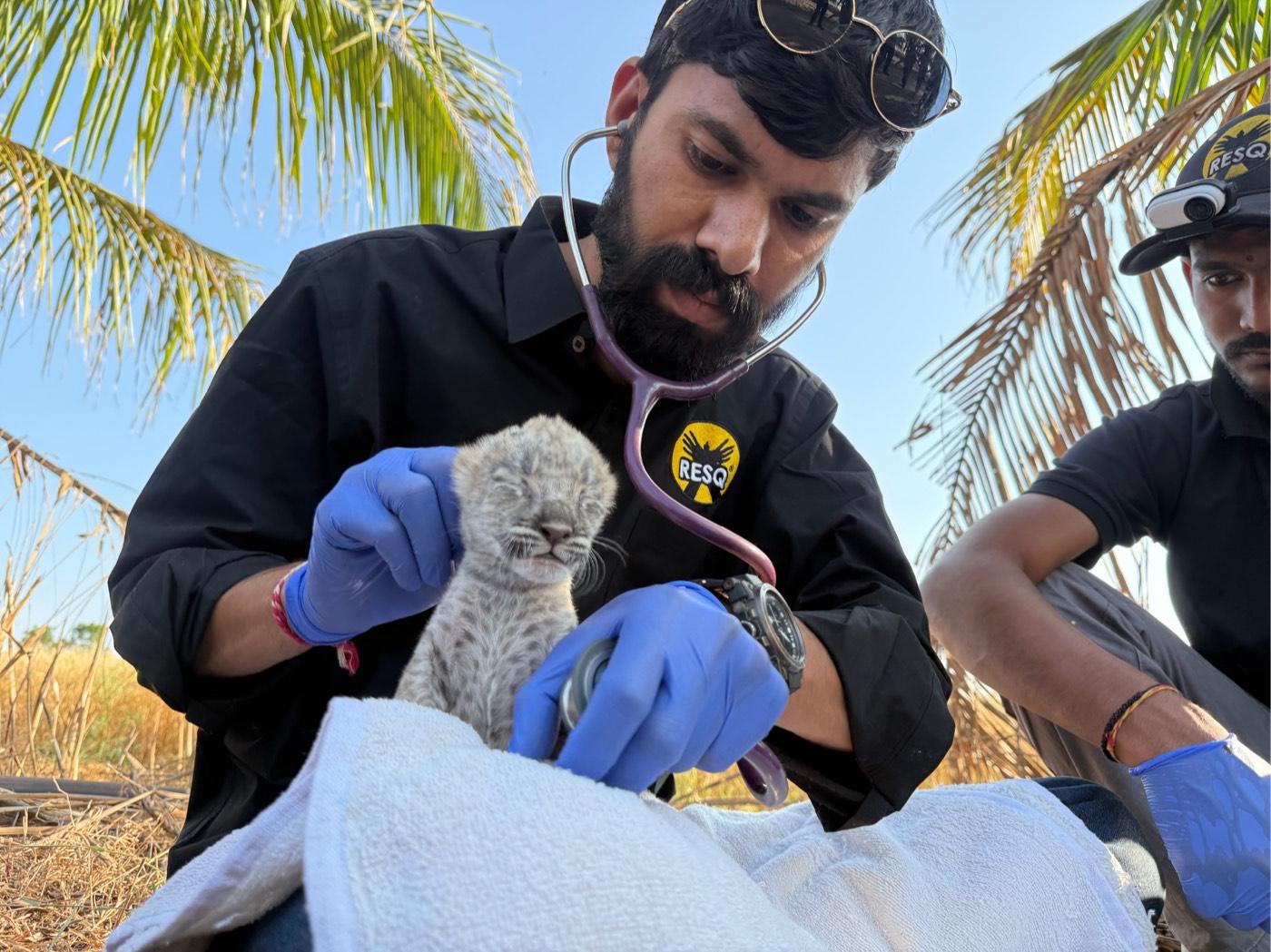
DonatePhoto: a RESQ vet examines a rescued leopard cub in the field.
Work alongside us
Individuals, students and groups support our centres, field teams and outreach programmes through the year. Every volunteer is trained and works to a shared code of conduct.
Volunteer with us