
Wildlife does not wait.
It does not respect office hours, seasonal budgets, or the boundaries we draw between disciplines. Over nineteen years, our work has grown not by design but by necessity, shaped by the gaps we encountered and the realities we could not ignore. Today it spans five interconnected areas, each essential, none sufficient on its own.
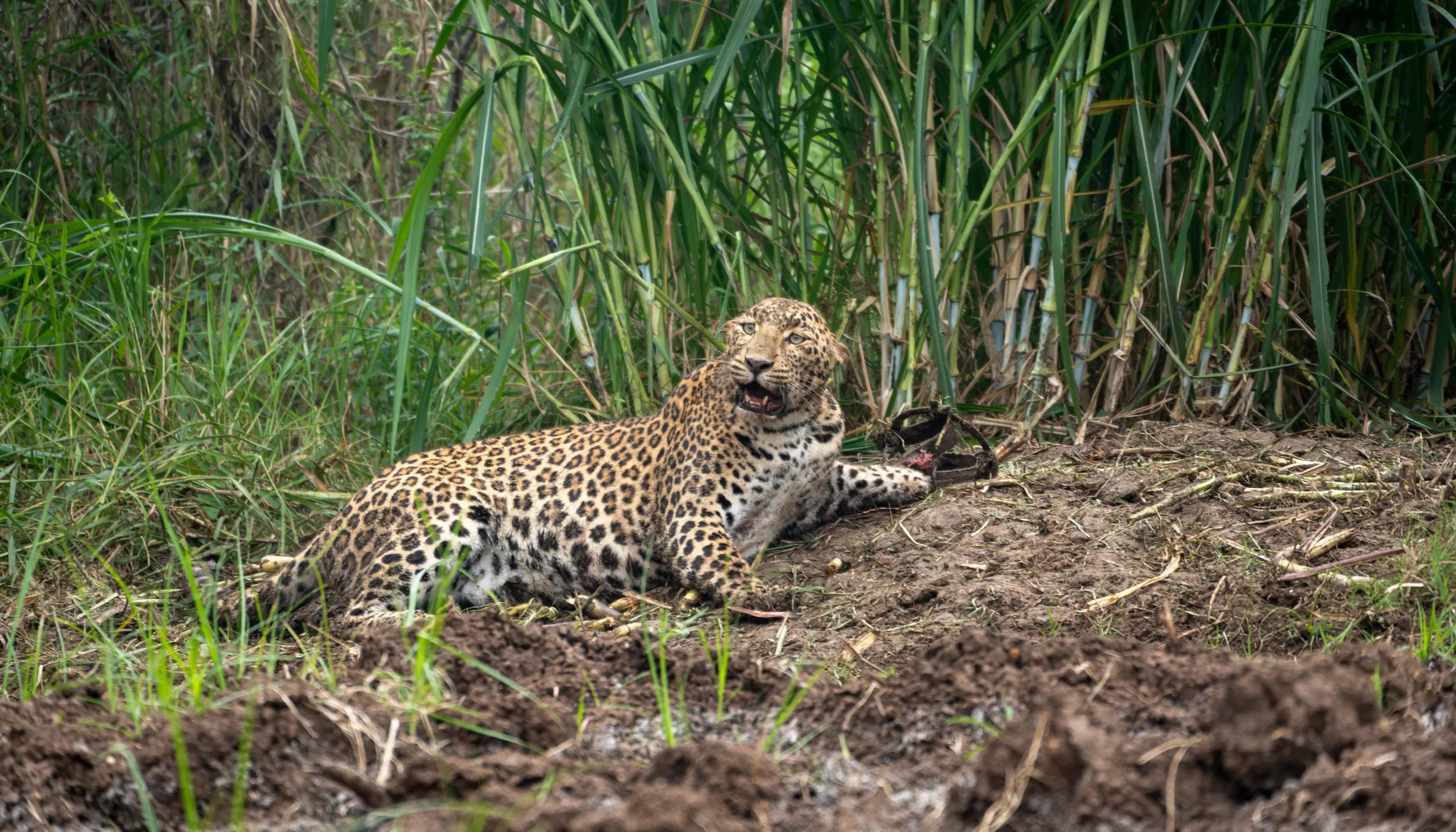
- In the Field: Wildlife Emergency Response covering advanced carnivore and megaherbivore rescues, aerial and underground operations, and mother-offspring reunions
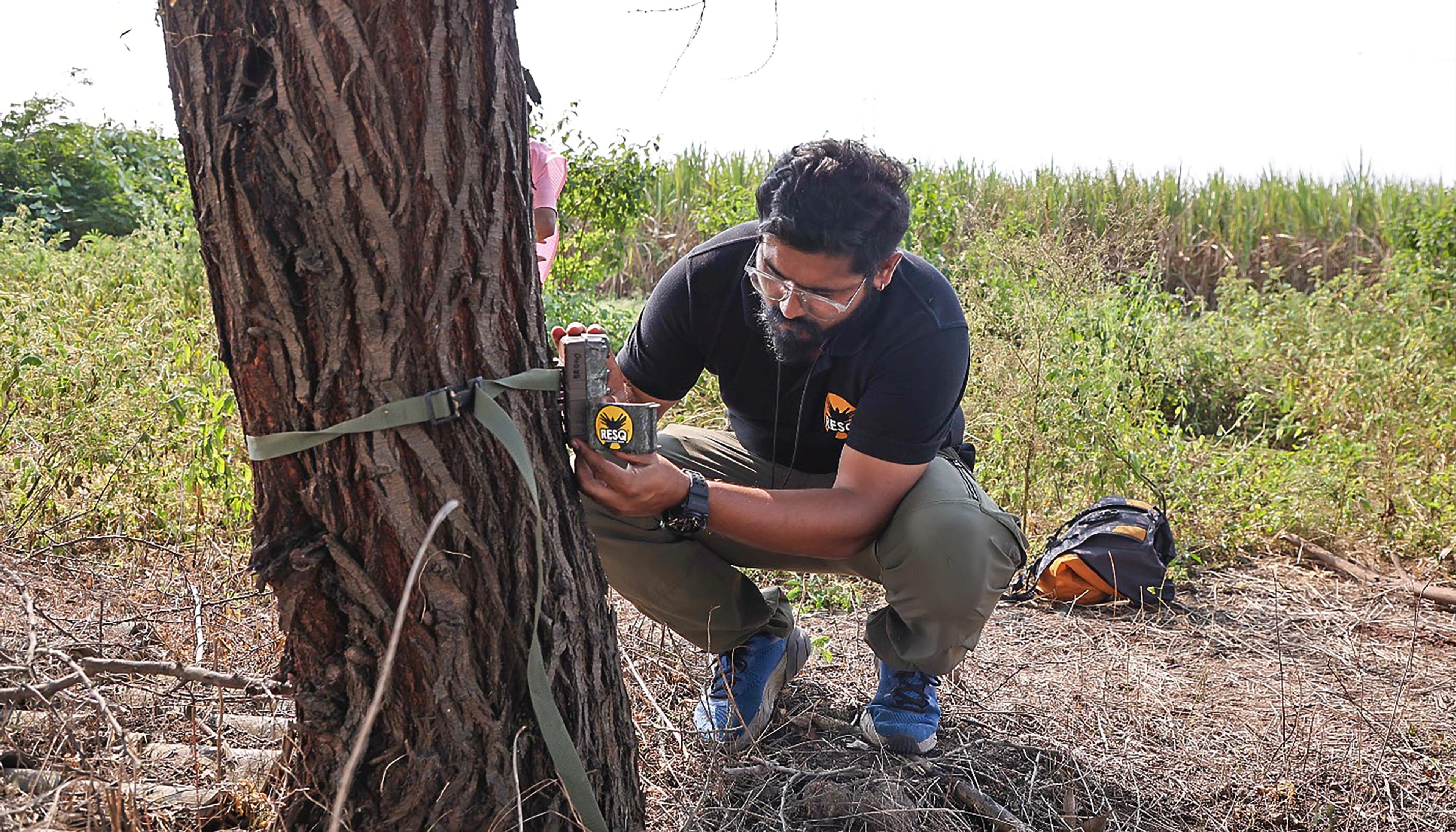
- The Interface: Human-Wildlife Conflict Management between human and leopard, tiger, hyena, primate, and snake interactions.
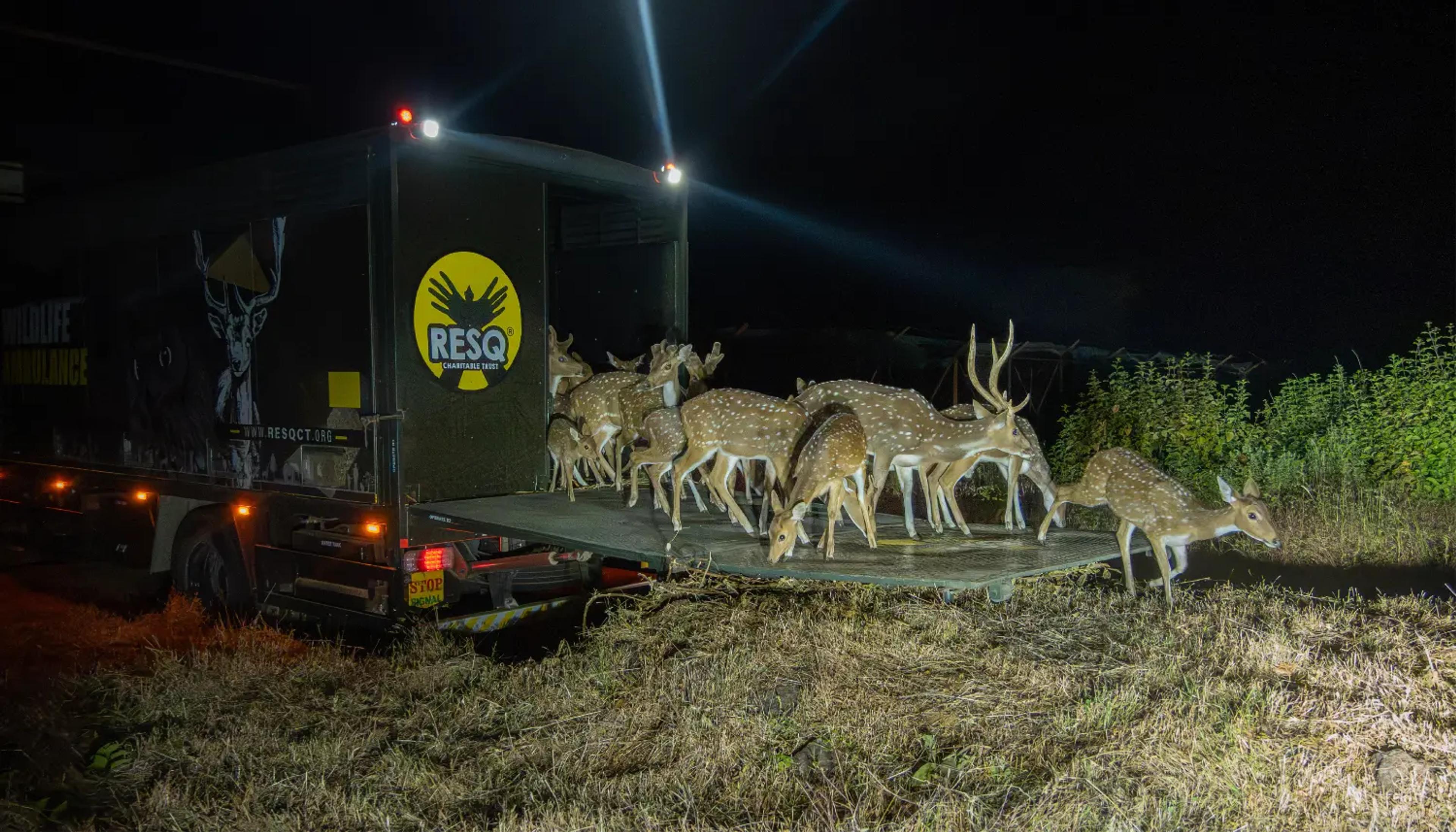
- Species Reintroduction: Mass Capture and Wildlife Translocations
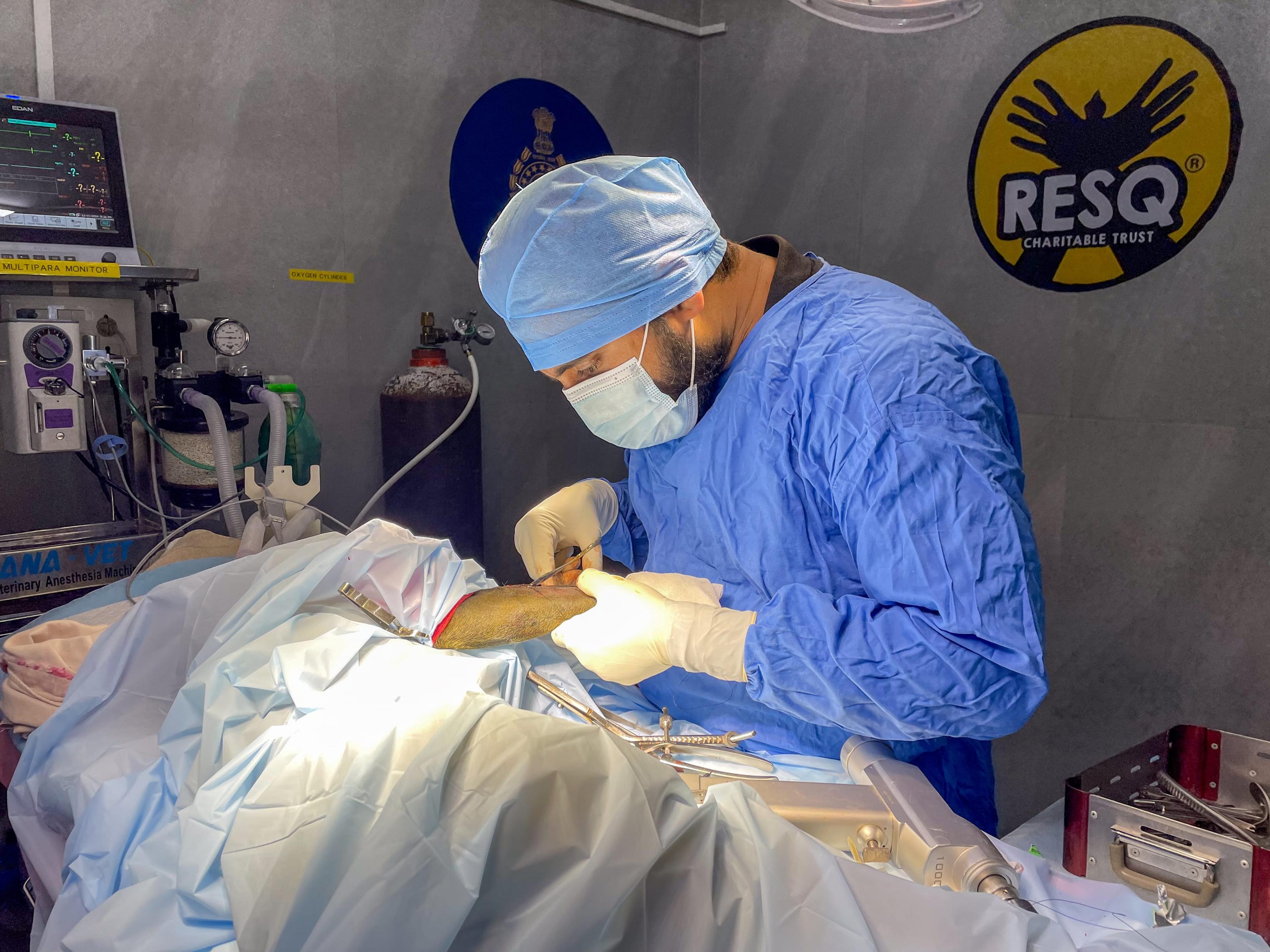
- From Rescue to Release: Wildlife Veterinary Care and Rehabilitation mammals, birds, and reptiles, across 250+ species.
- Building a Conservation-Ready Society through conservation education, capacity building, and practice standards
Emergency response without rehabilitation is incomplete. Rehabilitation without community engagement is unsustainable. Training without policy support is unscalable. It is the integration of these areas, the fact that they inform and reinforce each other daily, that makes RESQ CT's model effective and its impact durable.
Wildlife Emergency Response
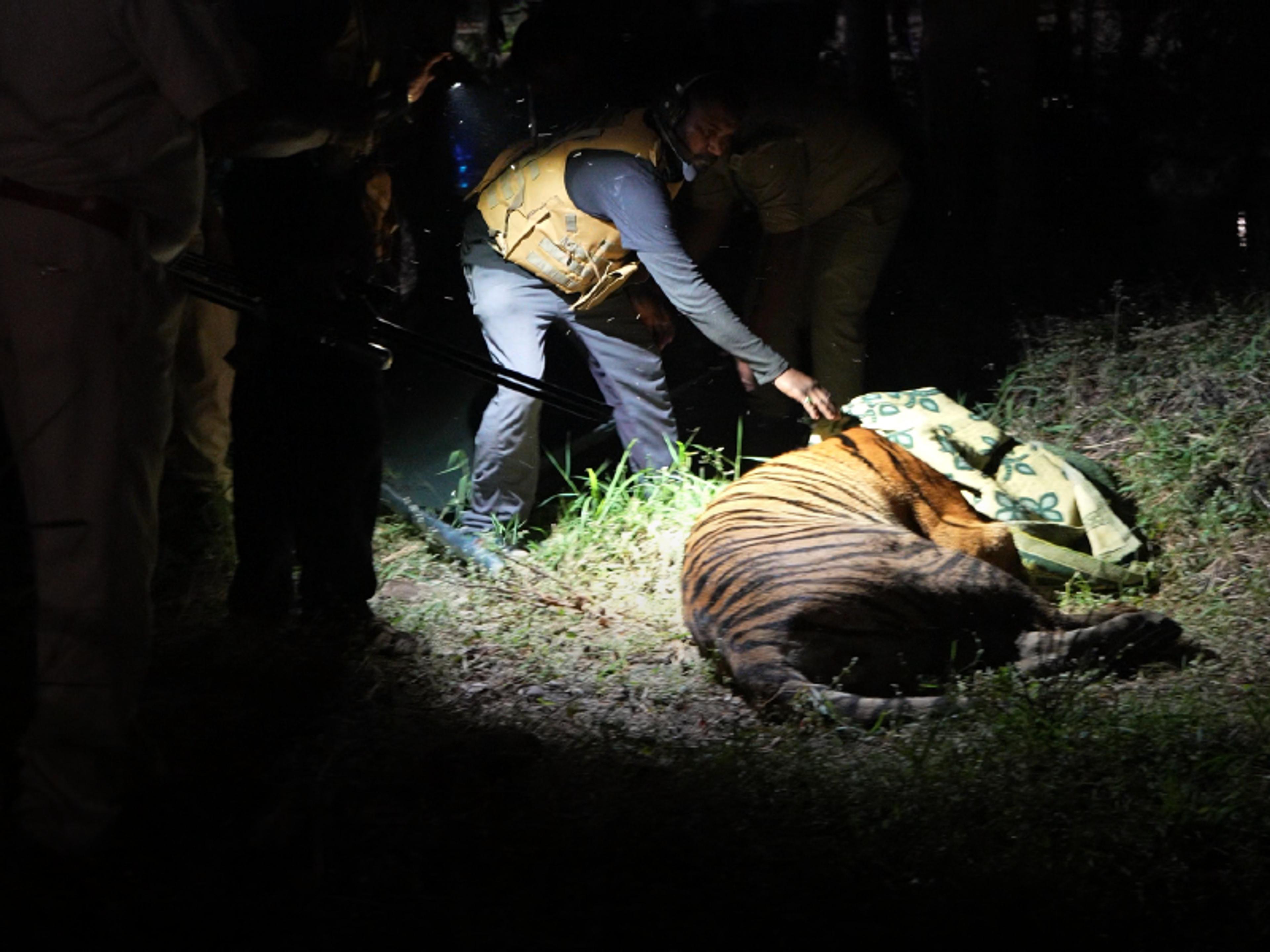
Wildlife emergencies are reported to our 24-hour helpline daily. Following rapid verification and liaison with local authorities, teams mobilise within minutes.
- Advanced field operations
- Aerial rescues
- Underground and confined space
- Mother-offspring reunions
Read more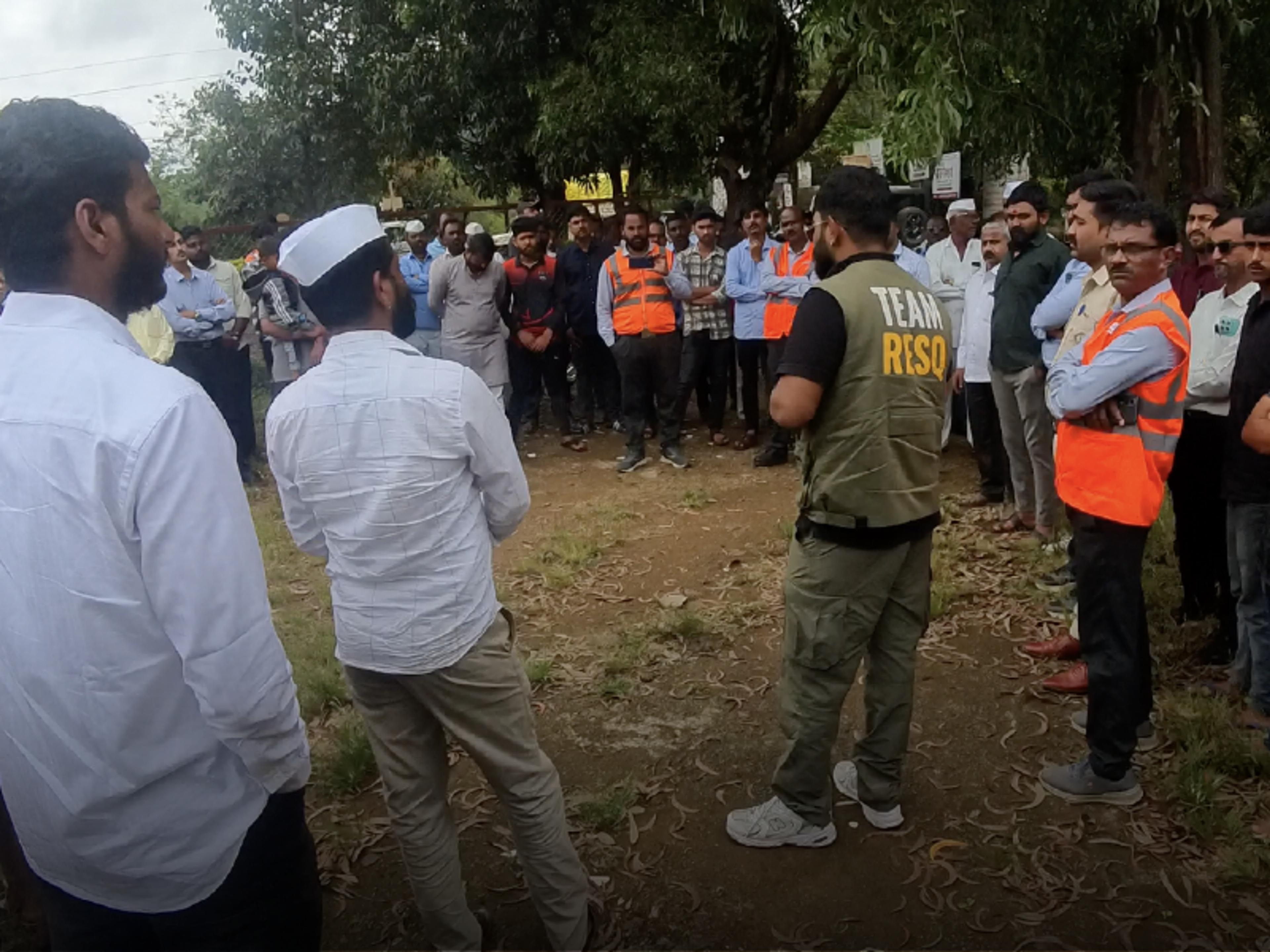
Human-Wildlife Conflict Management
Conflict response is not defined by the capture of an animal. In many cases, our intervention is about assessment, de-escalation, and creating conditions for the animal to move on.
- Indian leopard
- Bengal tiger
- Gaur
- Striped hyena
- Primates
- Snakes
Read more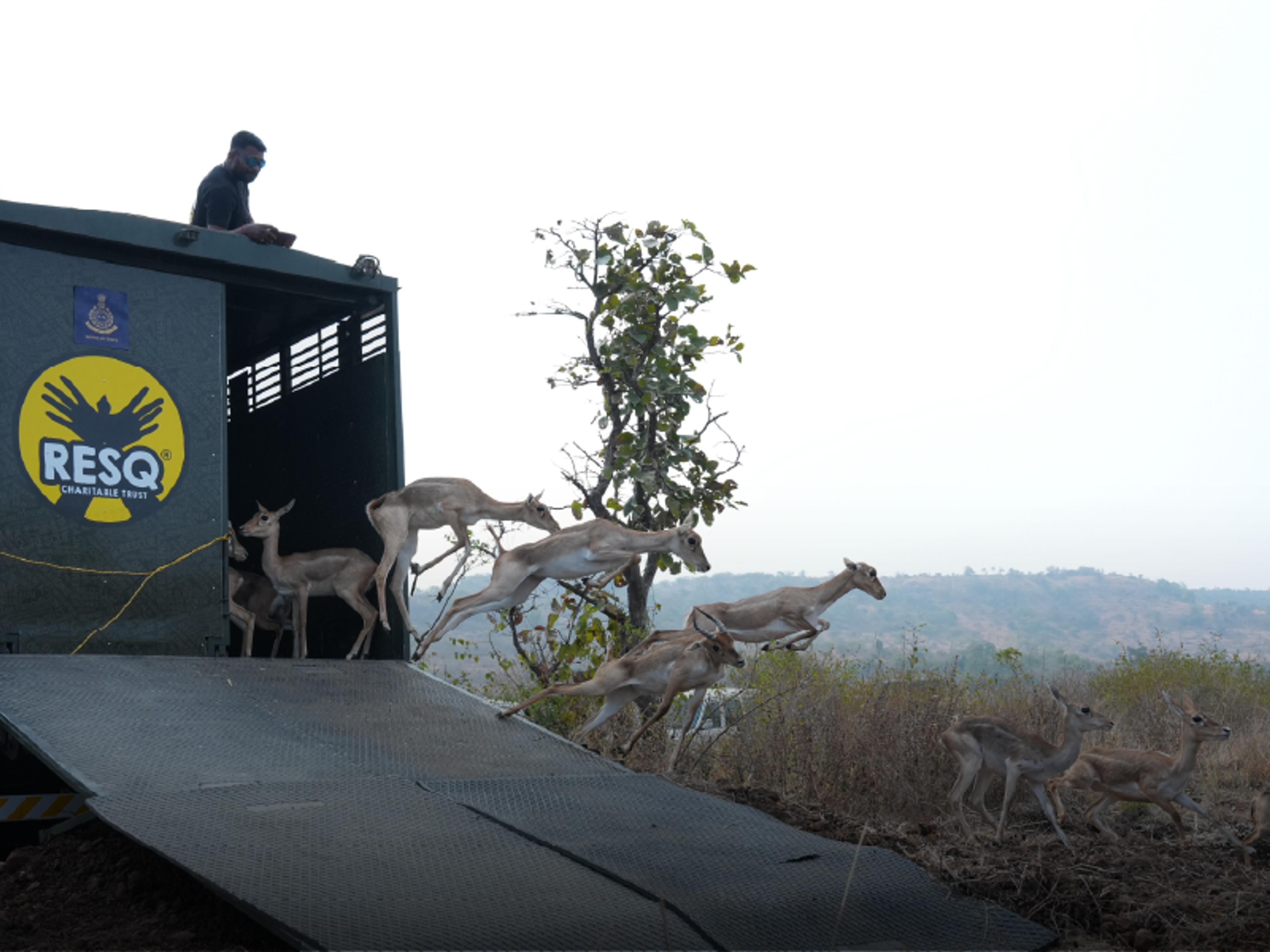
Mass Capture and Wildlife Translocations
Logistically demanding and an ecologically consequential intervention in conservation management that involves meticulous planning, species-specific handling expertise, and authorisation at every step.
- Species reintroduction
- Prey augmentation
Read more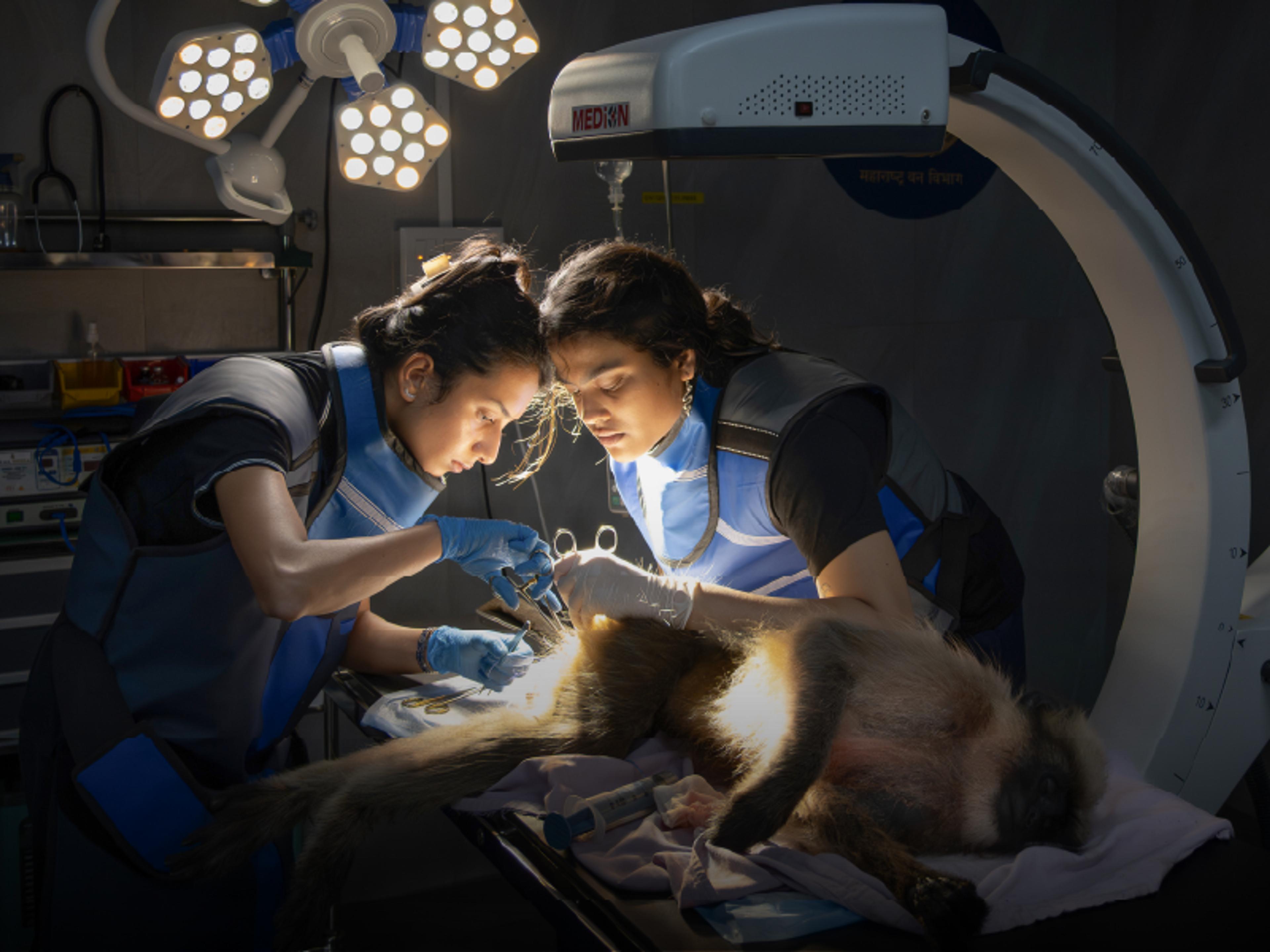
Veterinary Care and Rehabilitation
Only animals that are disease-free, behaviourally sound, physically fit, and assessed as capable of independent survival are cleared for reintroduction. The decision to release is never automatic.
- Mammals
- Birds
- Reptiles
- Wildlife beyond borders
Read more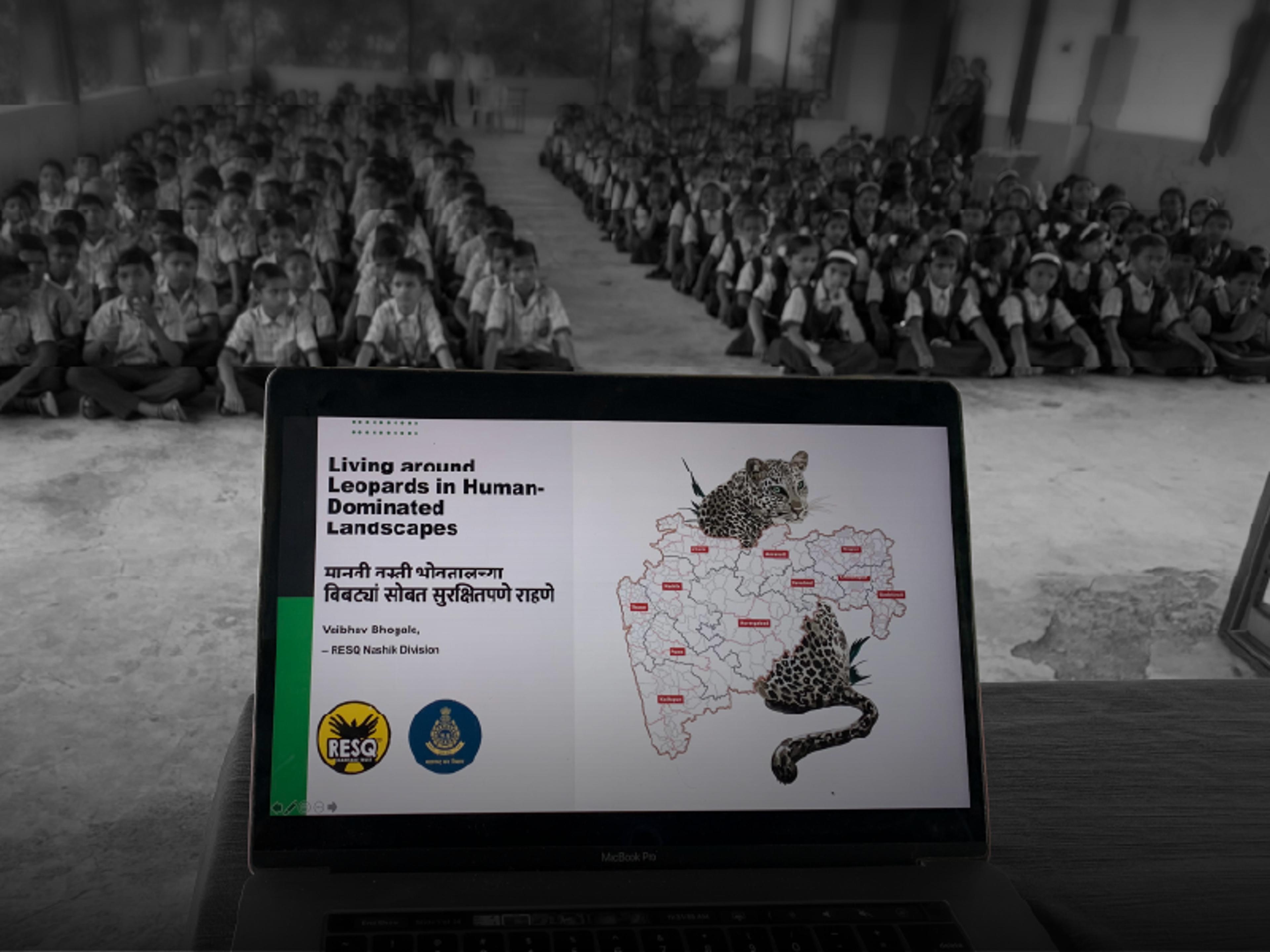
Conservation Education
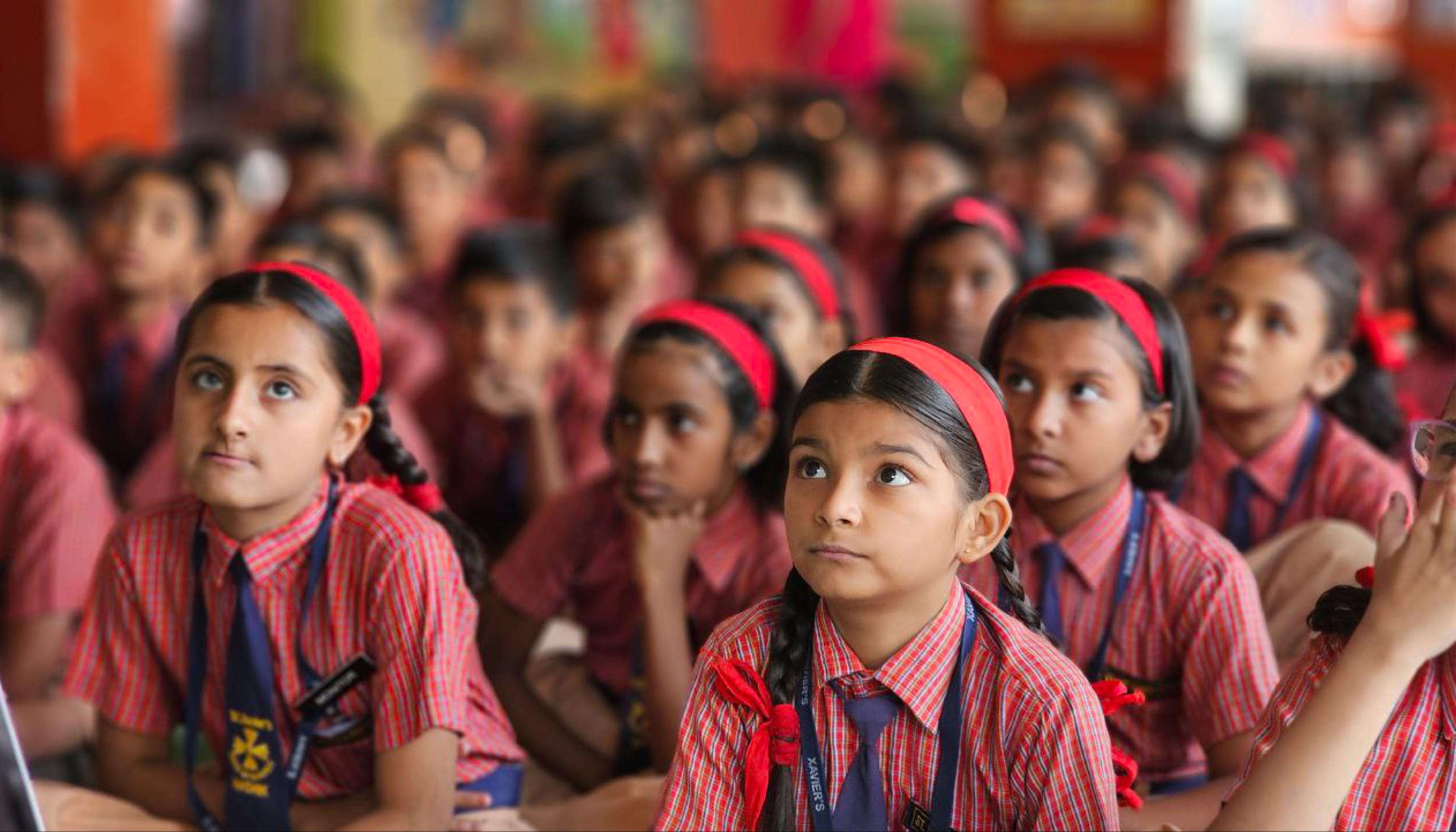
Outreach with local communities, corporates and school children focused on reducing conflict, strengthening preparedness, and improving public safety outcomes.
- Sahjeevan
- AWARE India
Read more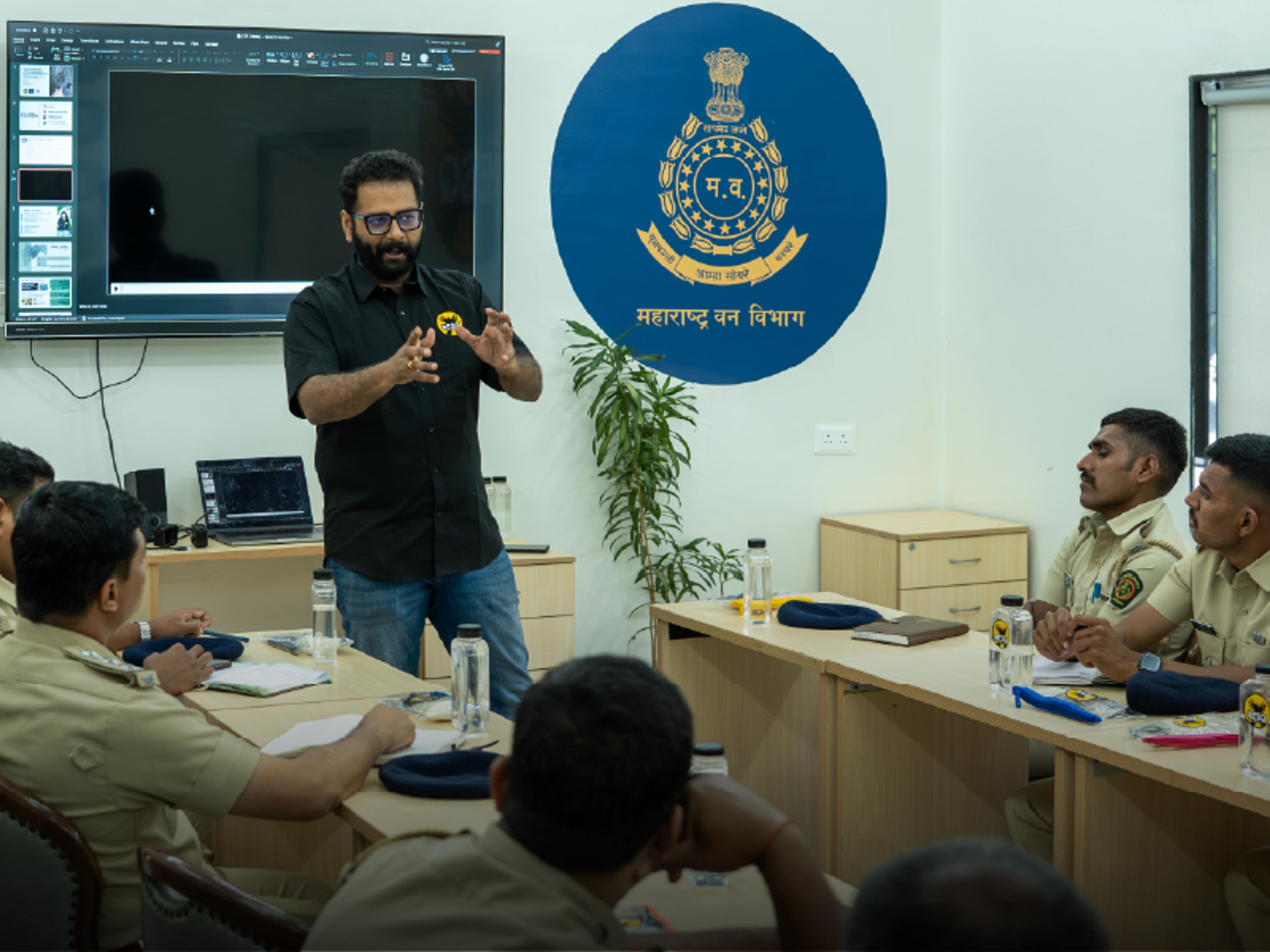
Training and Capacity Building
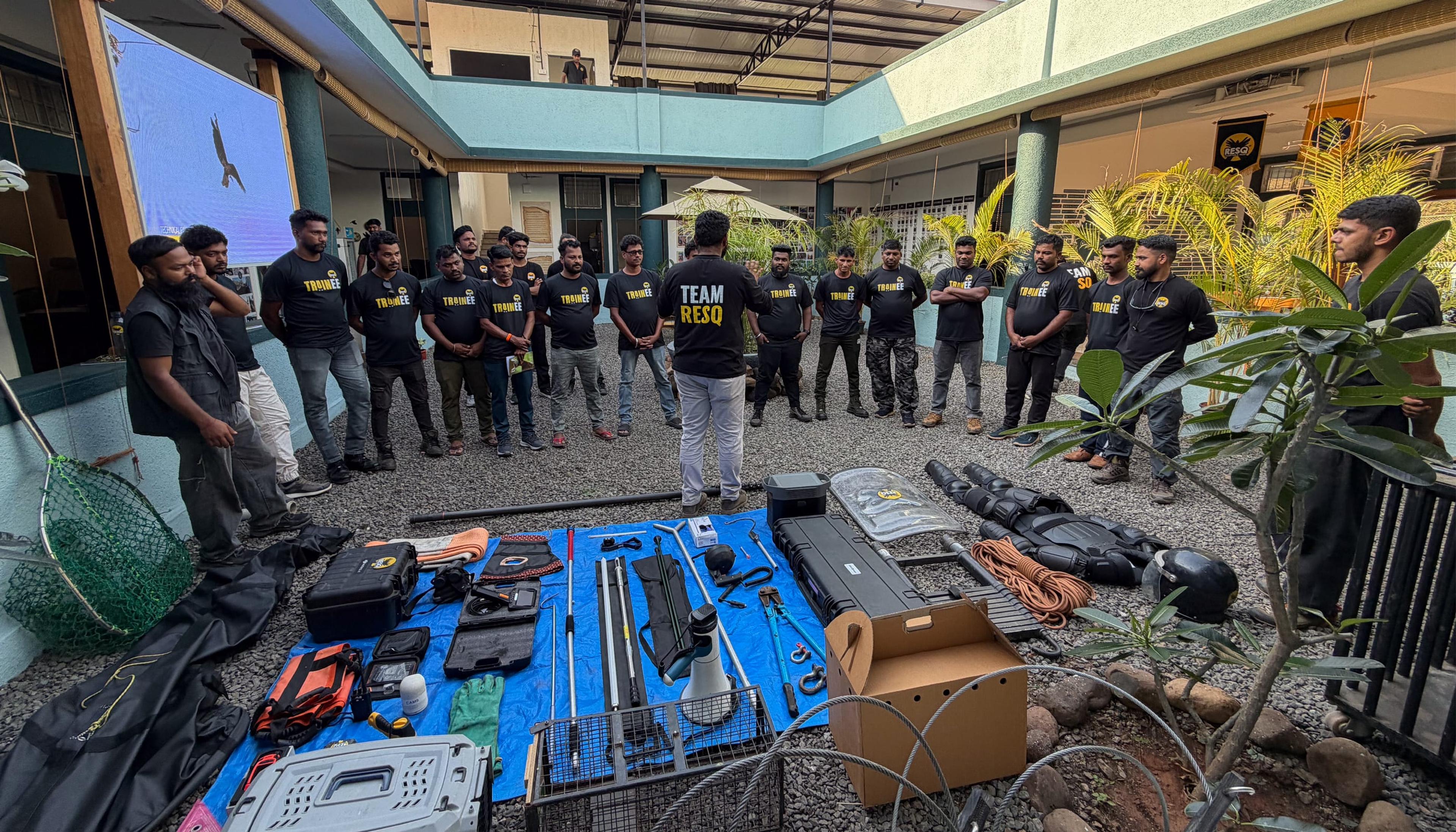
Every person we train becomes part of a growing network that extends far beyond RESQ CT, one that carries forward a culture of coexistence, care, and preparedness.
- Frontline personnel
- Volunteering
- Internships
- RESQ Compass
Read more
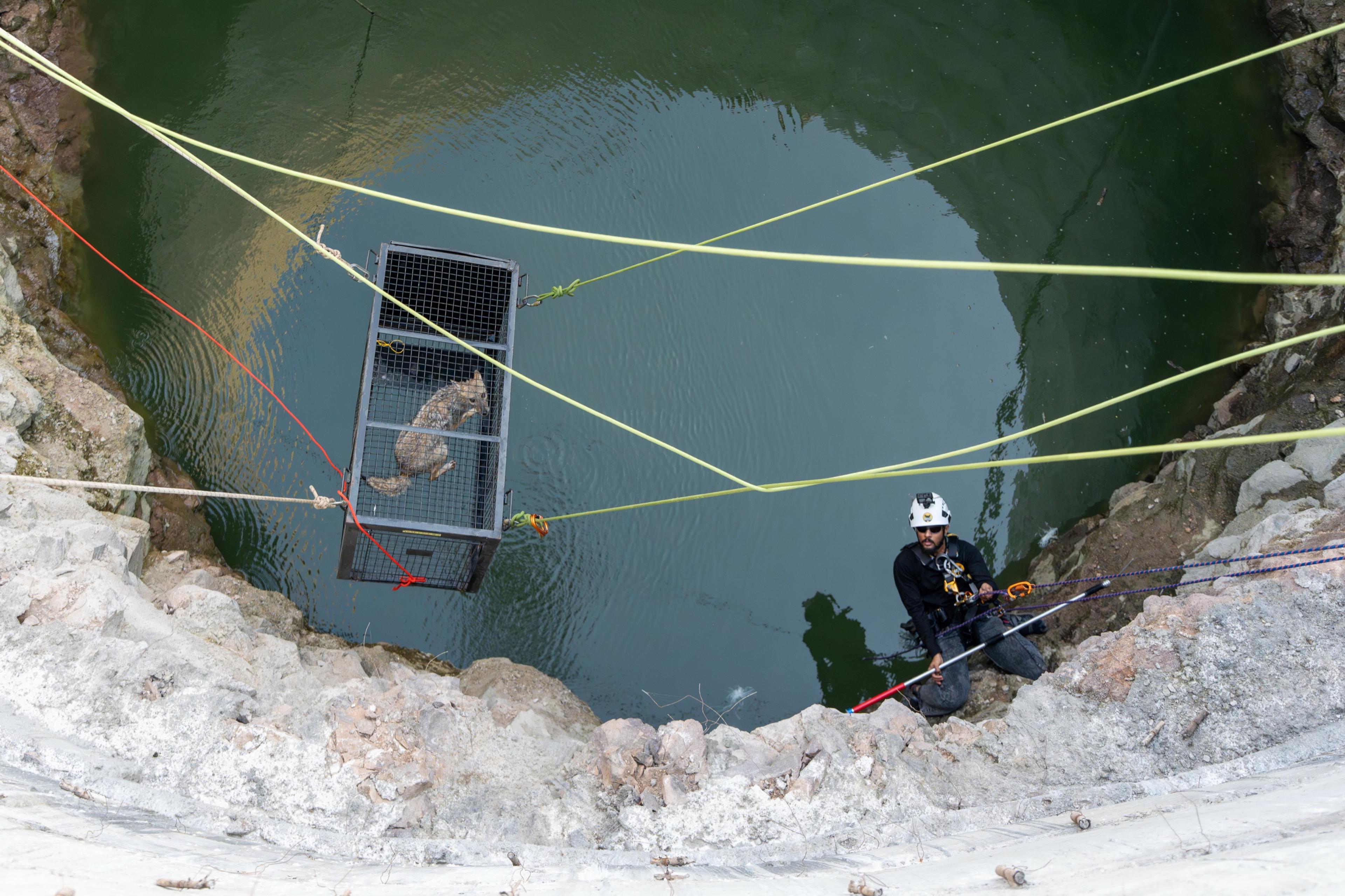 Read moreWildlife Emergency ResponseWildlife emergencies are reported to RESQ CT's 24-hour helpline daily. Following rapid verification and liaison with local authorities, teams mobilise…
Support this work
Lasting conservation is never the work of a single rescue.
A rescue is only the first step. Treatment, rehabilitation, release and the prevention work that follows all depend on people who choose to stand behind it.
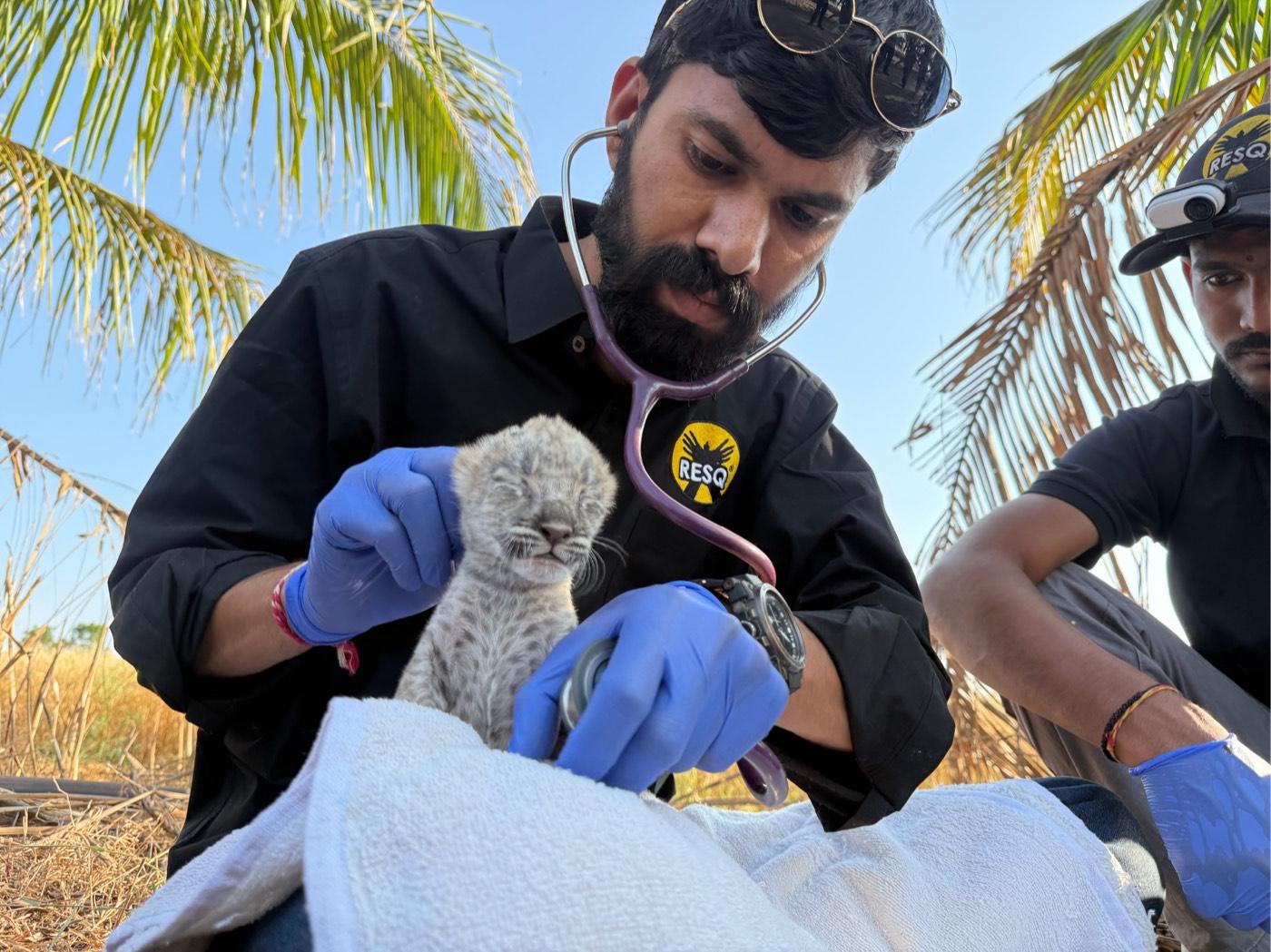
DonatePhoto: a RESQ vet examines a rescued leopard cub in the field.
Work alongside us
Coexistence is built by the people who show up.
Individuals, students and groups support our centres, field teams and outreach programmes through the year. Every volunteer is trained and works to a shared code of conduct.
Volunteer with us