Wildlife translocation becomes necessary when an animal's continued presence in a given location poses a risk, either to the animal itself or to the people who share its landscape. Rapid habitat loss, linear infrastructure development, and expanding human settlements have increasingly pushed wildlife into direct contact with communities, necessitating the safe capture and relocation of animals to more suitable habitat. Mass capture and translocation is also employed to manage overabundant populations, to rescue animals stranded in unsuitable or hazardous environments, and, in select cases, to support reintroduction and genetic exchange between isolated populations.
Wildlife translocation is one of the most logistically demanding and ecologically consequential interventions in conservation management. It requires meticulous planning, species-specific handling expertise, veterinary oversight, and close inter-agency coordination. When executed well, it delivers outcomes that no amount of protection or enforcement alone can achieve. When handled poorly, it costs animals their lives and conservation programmes their credibility.
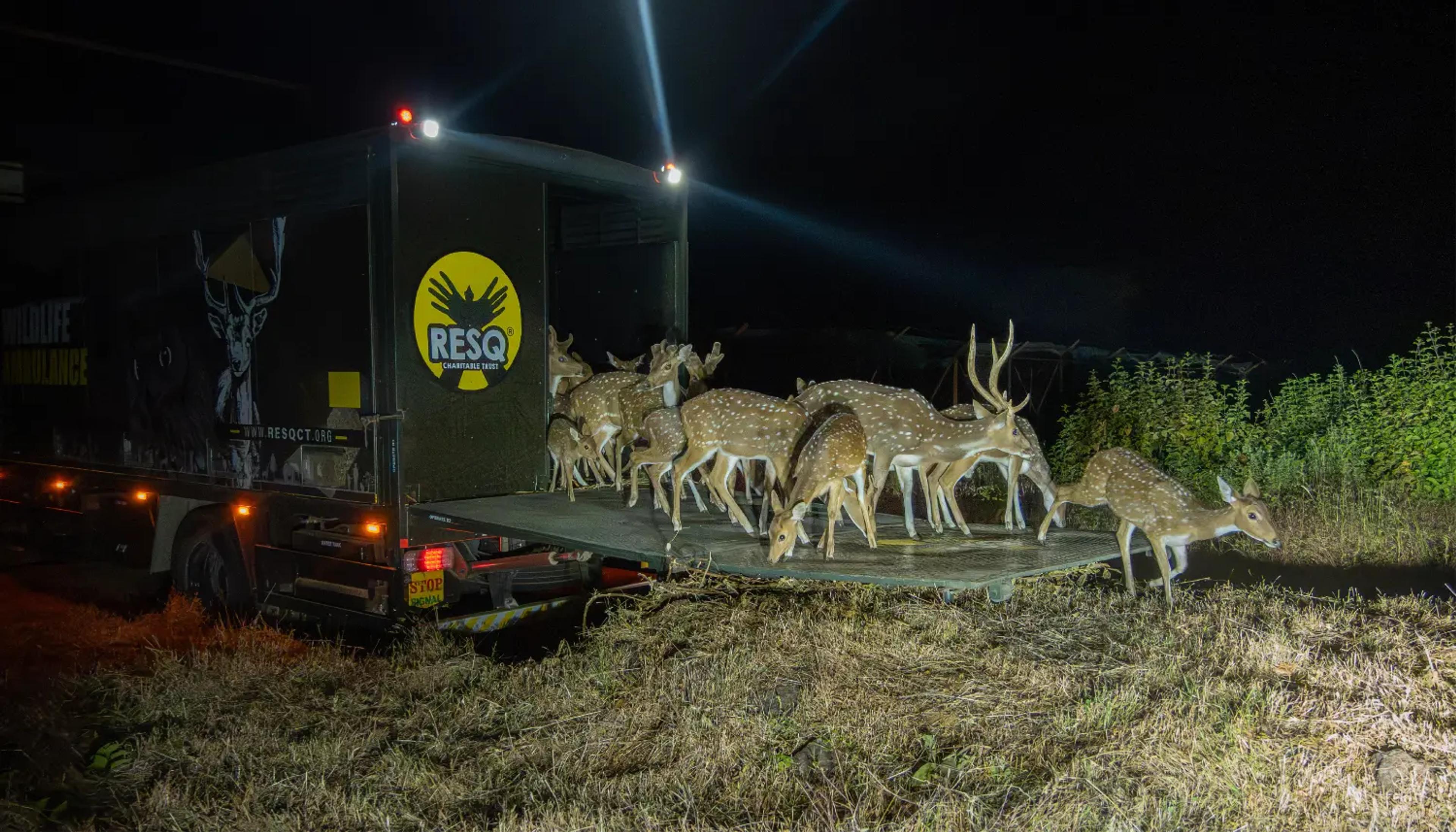
RESQ CT provides mass translocation support, including veterinary oversight and specialised transport, to the Maharashtra Forest Department across a range of operations involving species as varied as spotted deer, sambar, blackbuck, and mugger crocodile. Each operation is governed by the same principles: fitness assessment before movement, transport conditions designed to minimise physiological stress, ecologically appropriate release sites, and post-release monitoring where feasible.
A cornerstone of our translocation capability is the RESQ Atlas, a purpose-built, registered wildlife ambulance engineered for the safe multi-species transport of wildlife across varied terrain. Equipped with hydraulic and manual ramps, dual entry points, a fully padded interior, CCTV monitoring systems, advanced cooling and ventilation, and adjustable partitions that allow flexible configuration for mass translocation operations, the Atlas ensures that animal welfare does not end at the moment of capture. It continues throughout the journey.
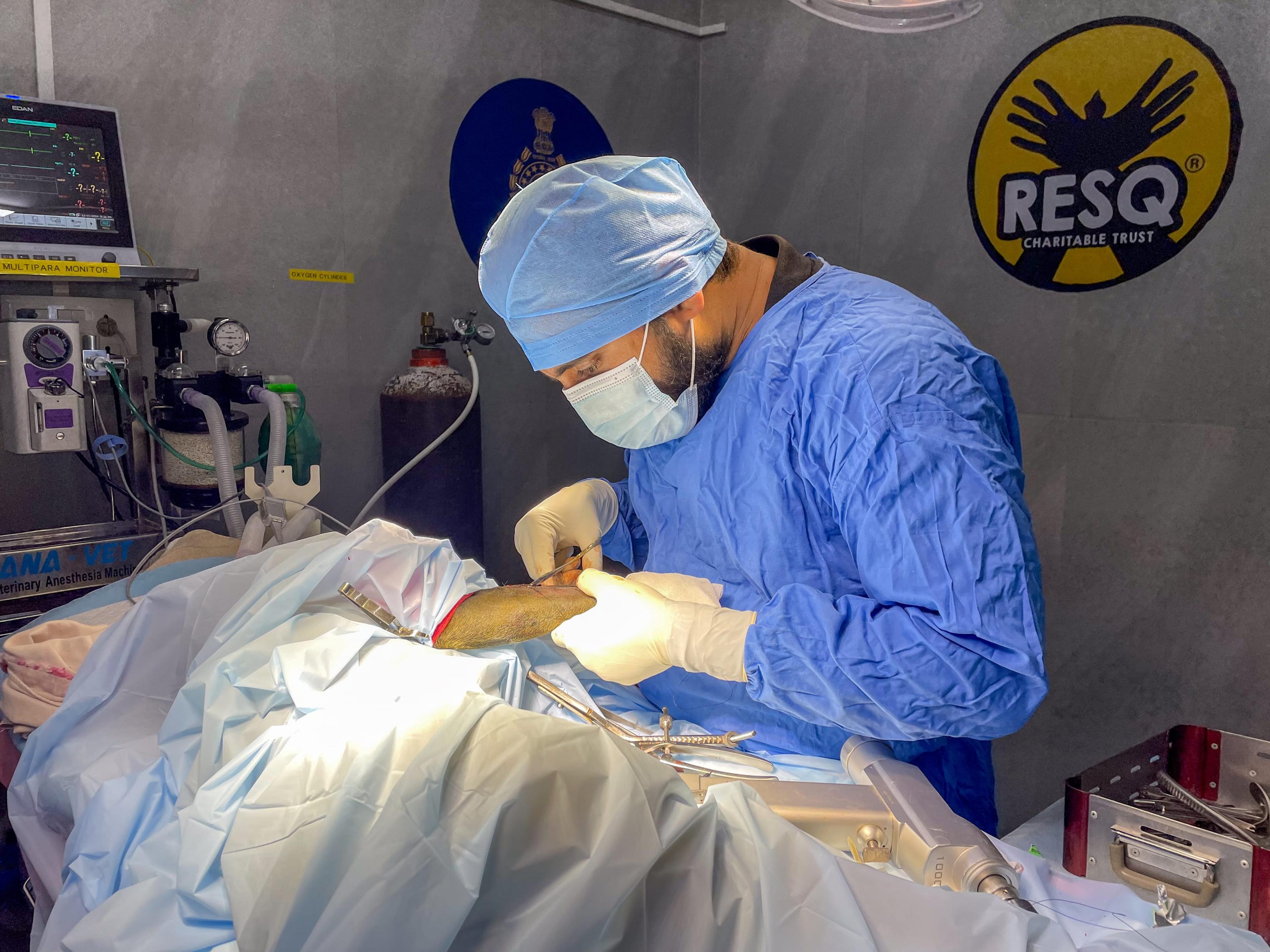 Read moreVeterinary Care and RehabilitationEvery animal that arrives at our Wildlife Transit Treatment Centres carries a story. Some are brought in by Forest Department officers from the field.…
In Our work
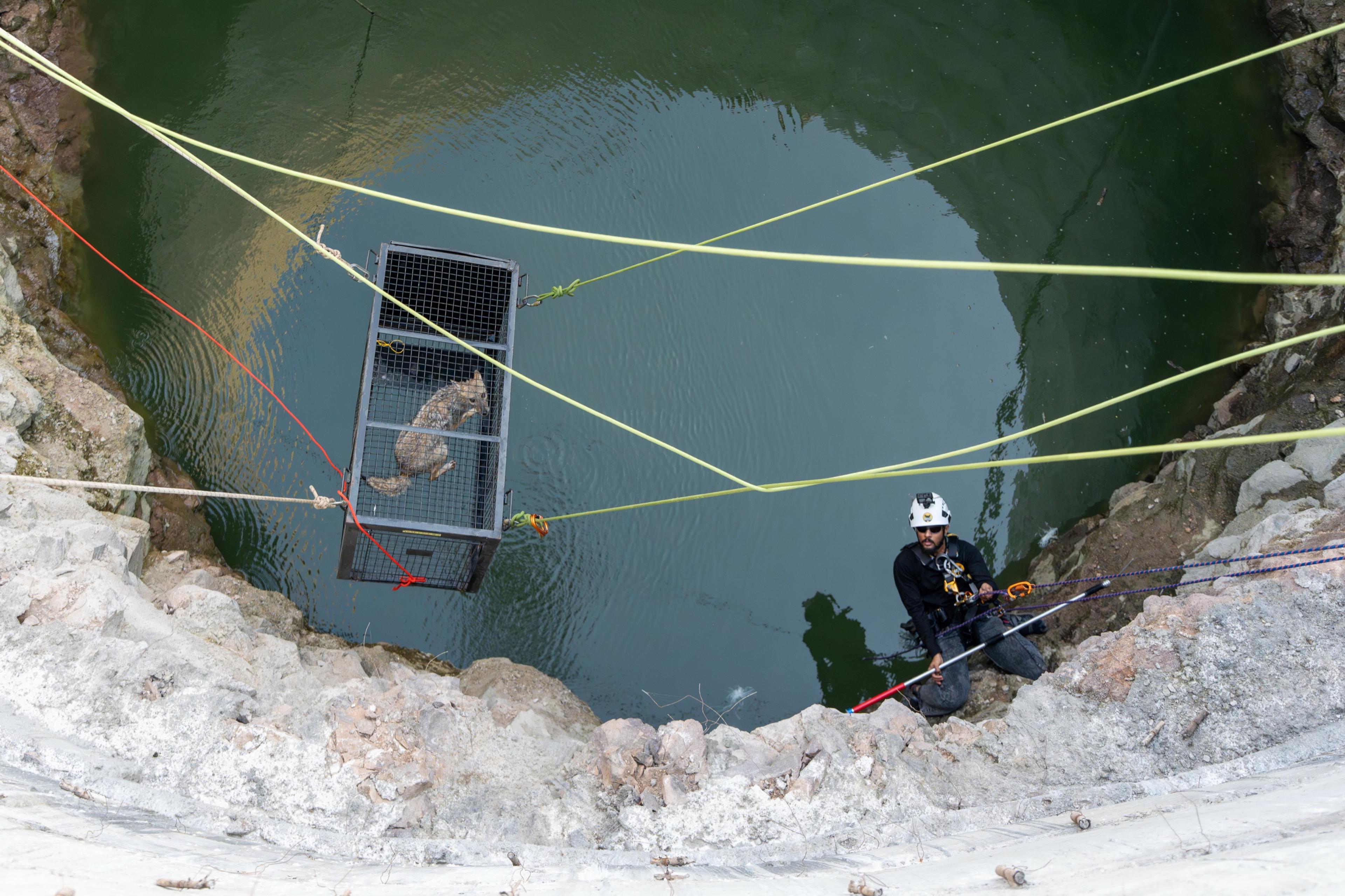 Wildlife emergency response
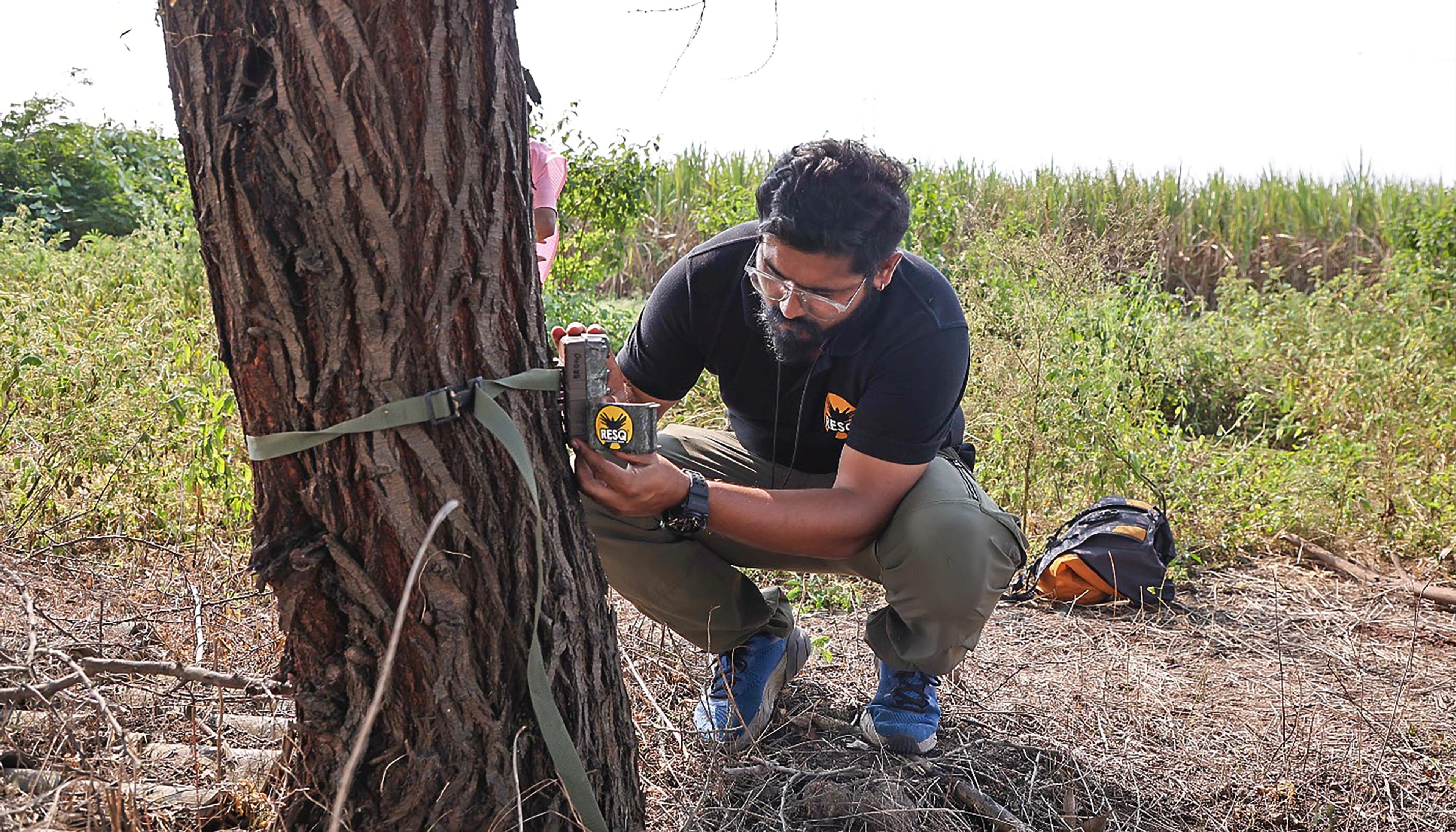 Human-wildlife conflict managementYou're hereMass capture & translocationsVeterinary care & rehabilitation
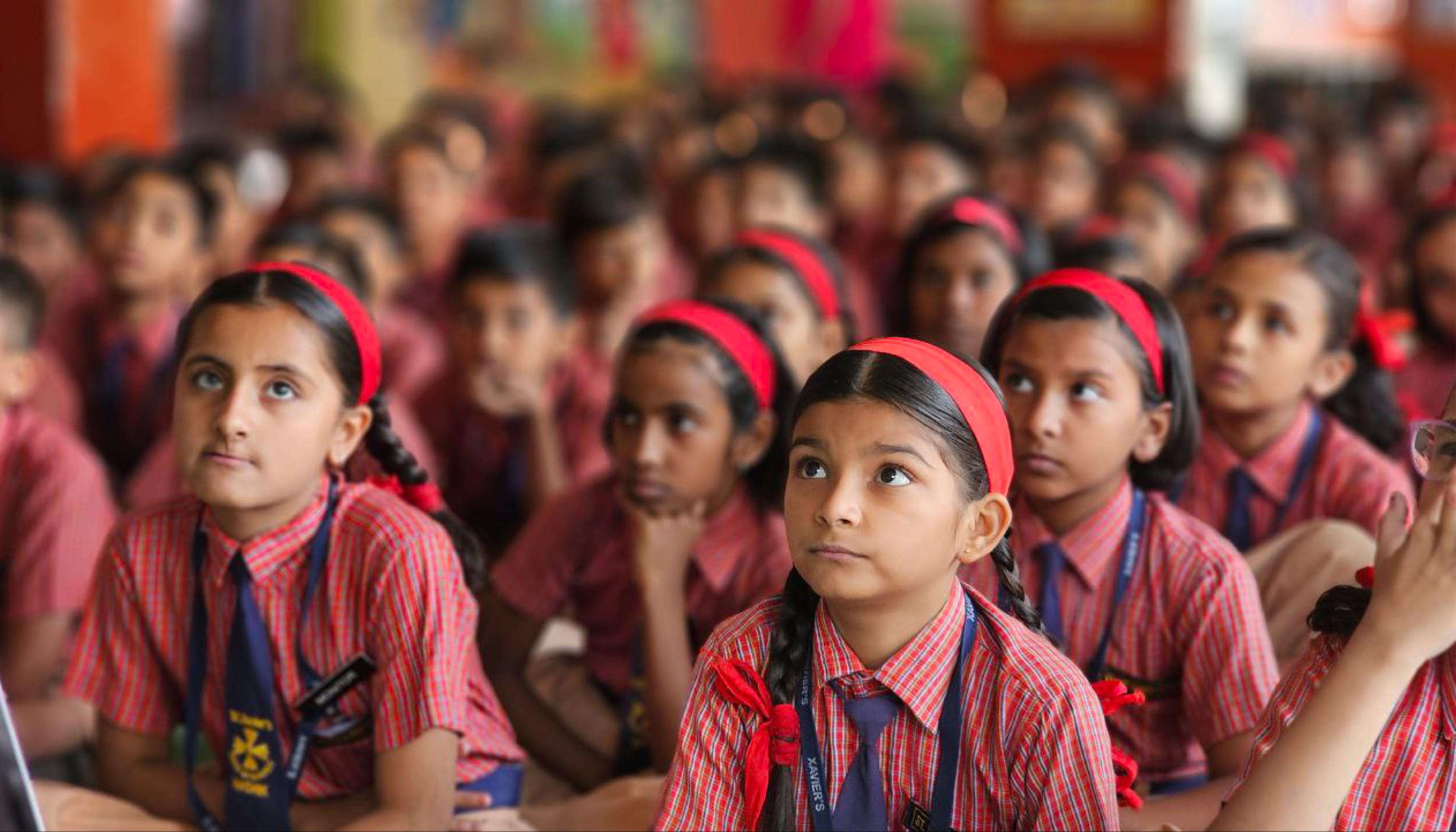 Conservation education
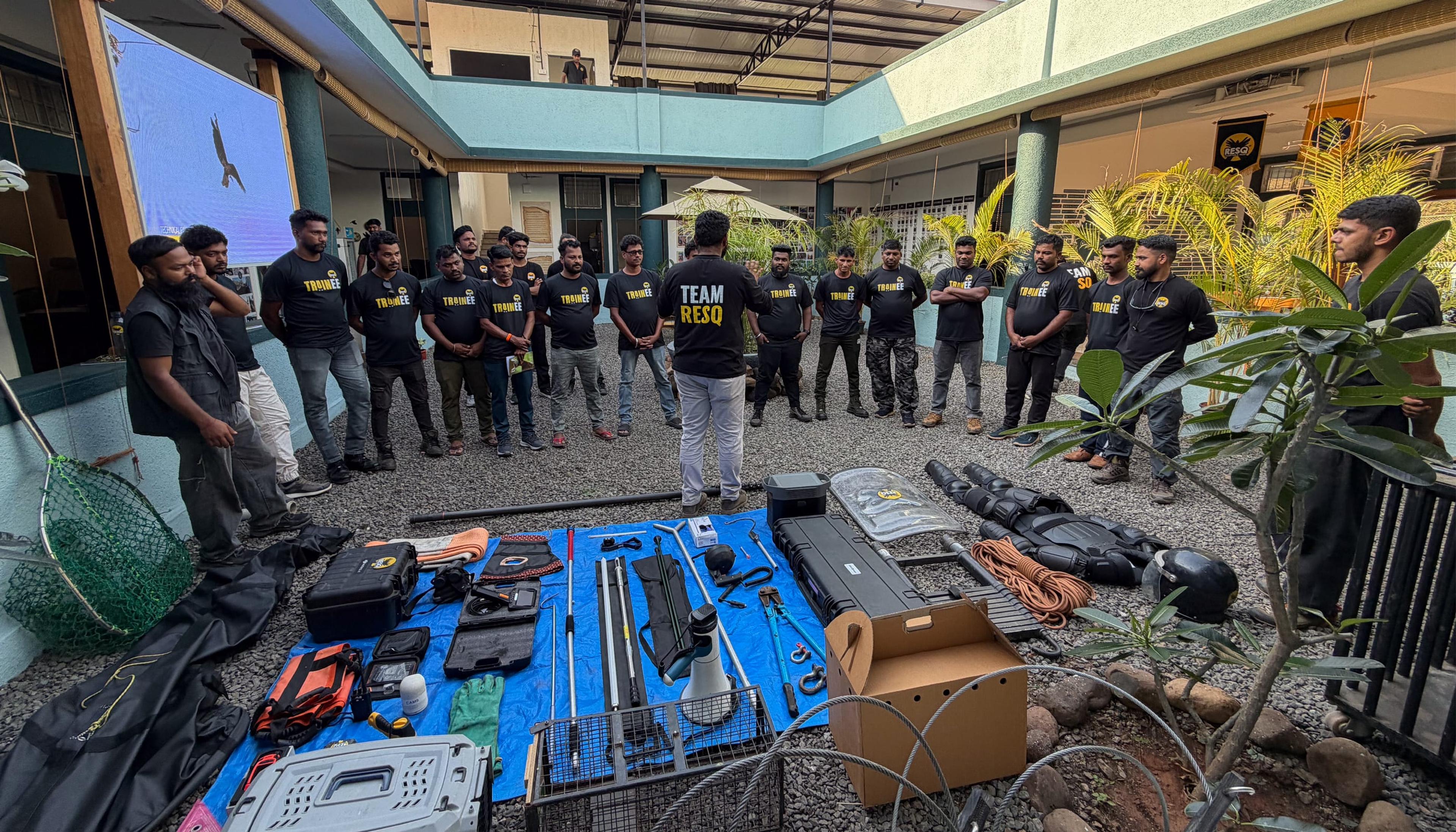 Training & capacity building
Support this work
A rescue is only the first step. Treatment, rehabilitation, release and the prevention work that follows all depend on people who choose to stand behind it.
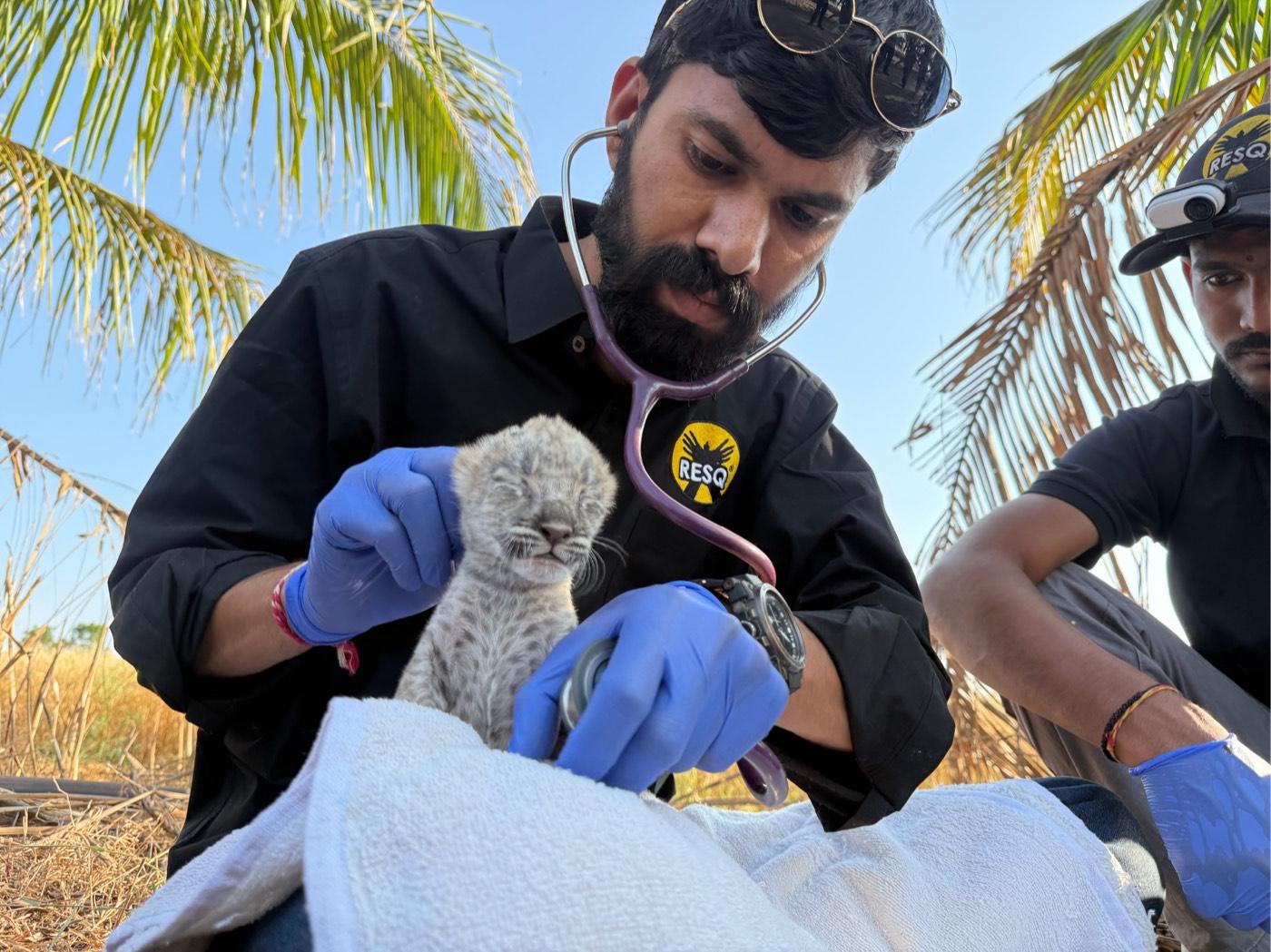
DonatePhoto: a RESQ vet examines a rescued leopard cub in the field.
Work alongside us
Individuals, students and groups support our centres, field teams and outreach programmes through the year. Every volunteer is trained and works to a shared code of conduct.
Volunteer with us