Every animal that arrives at our Wildlife Transit Treatment Centres carries a story. Some are brought in by Forest Department officers from the field. Others arrive through our own rescue operations, injured, exhausted, orphaned, or seized from illegal captivity. What they have in common is that they are wild animals in a condition that precludes their survival without intervention, and that the intervention they receive will determine whether they ever return to the wild at all.
Wildlife rehabilitation is a staged, species-specific continuum that begins the moment an animal is admitted and does not end until it has been successfully reintroduced and, where feasible, monitored post-release. At RESQ CT, this continuum is structured, documented, and governed by a set of principles that place ecological integrity alongside individual animal welfare. We do not rehabilitate animals to house them indefinitely. We rehabilitate them to return them to where they belong.
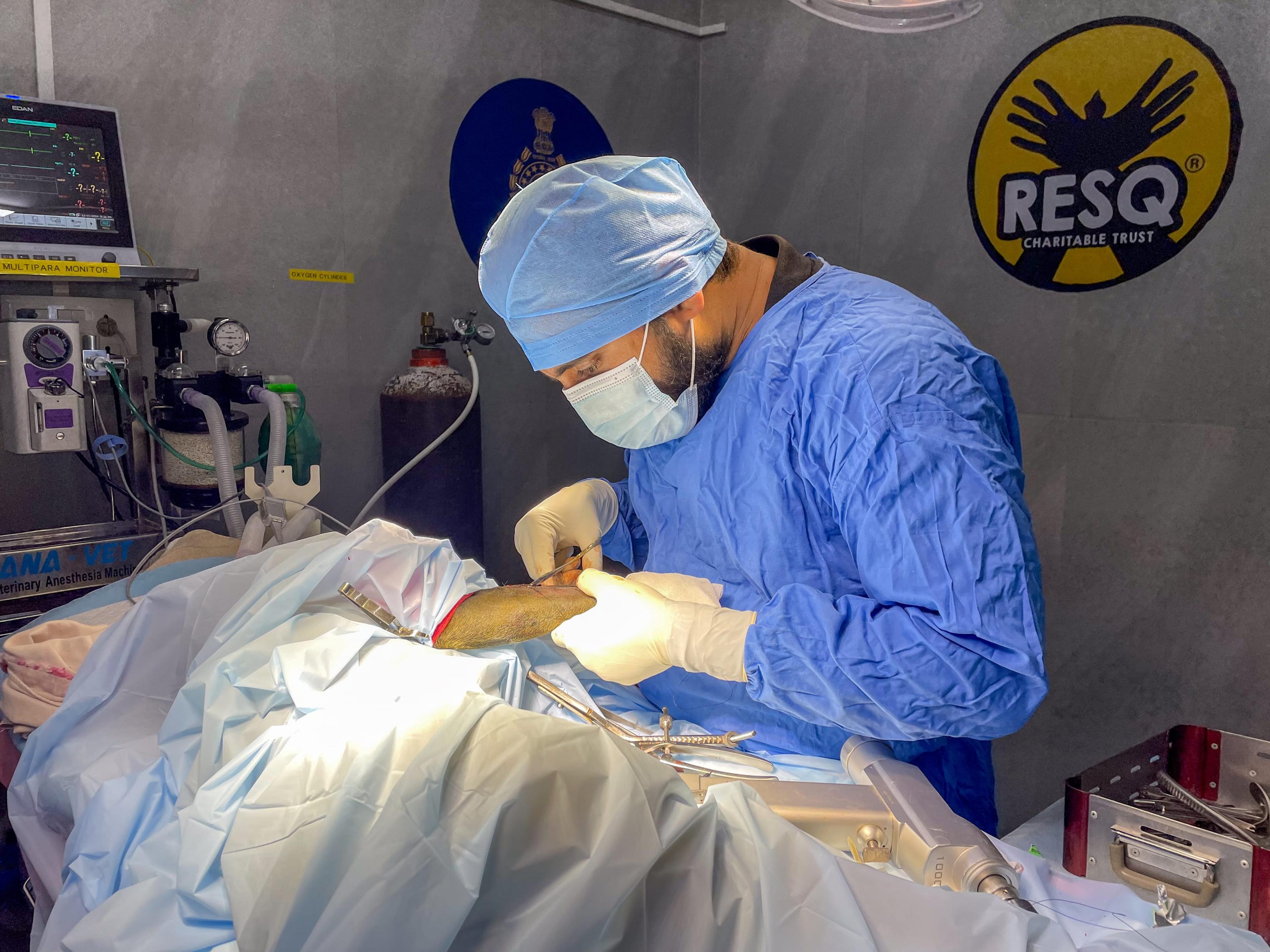
On admission, every animal undergoes a comprehensive veterinary assessment covering physical condition, injury or illness profile, nutritional status, and behavioural state. This assessment determines whether the animal can be stabilised and released at the capture site, or requires transport to our centres for extended care. All cases are documented on our Captive Wildlife Management system, which assigns a unique ID to each individual and tracks health progress, treatment protocols, behavioural observations, and release planning in real time. The system is accessible to the Maharashtra Forest Department, ensuring full transparency and accountability across every case.
Clinical care at our centres spans the full range of veterinary intervention: emergency medicine, advanced diagnostics, surgery, intensive and post-operative care, physiotherapy, and disease management. Rehabilitation extends beyond the clinical: paediatric and orphan care protocols, species-appropriate housing and enclosure design, enrichment, prey conditioning, and progressive exposure to natural stimuli all form part of preparing an animal for independent life. Our approach is adapted to the species, the age of the animal, the nature of its injury or history, and its individual behavioural response throughout recovery.
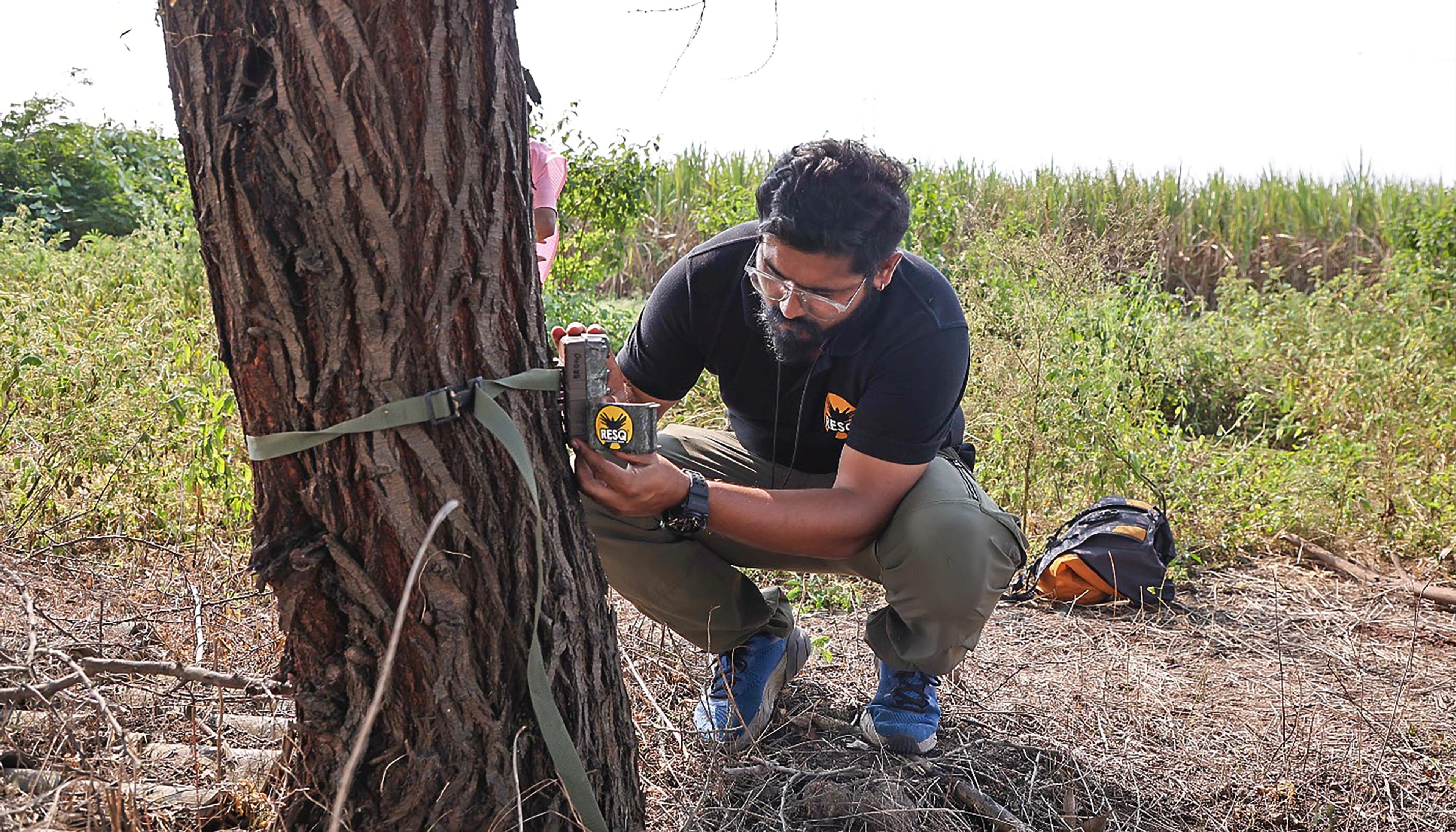
Only animals that are disease-free, behaviourally sound, physically fit, and assessed as capable of independent survival are cleared for reintroduction. This threshold is non-negotiable. An animal released before it is ready is not a conservation success. It is a delayed mortality. Release protocols are determined in coordination with the Forest Department, and where possible, post-release monitoring through camera traps, GPS telemetry, or field observation is built into the plan from the outset.
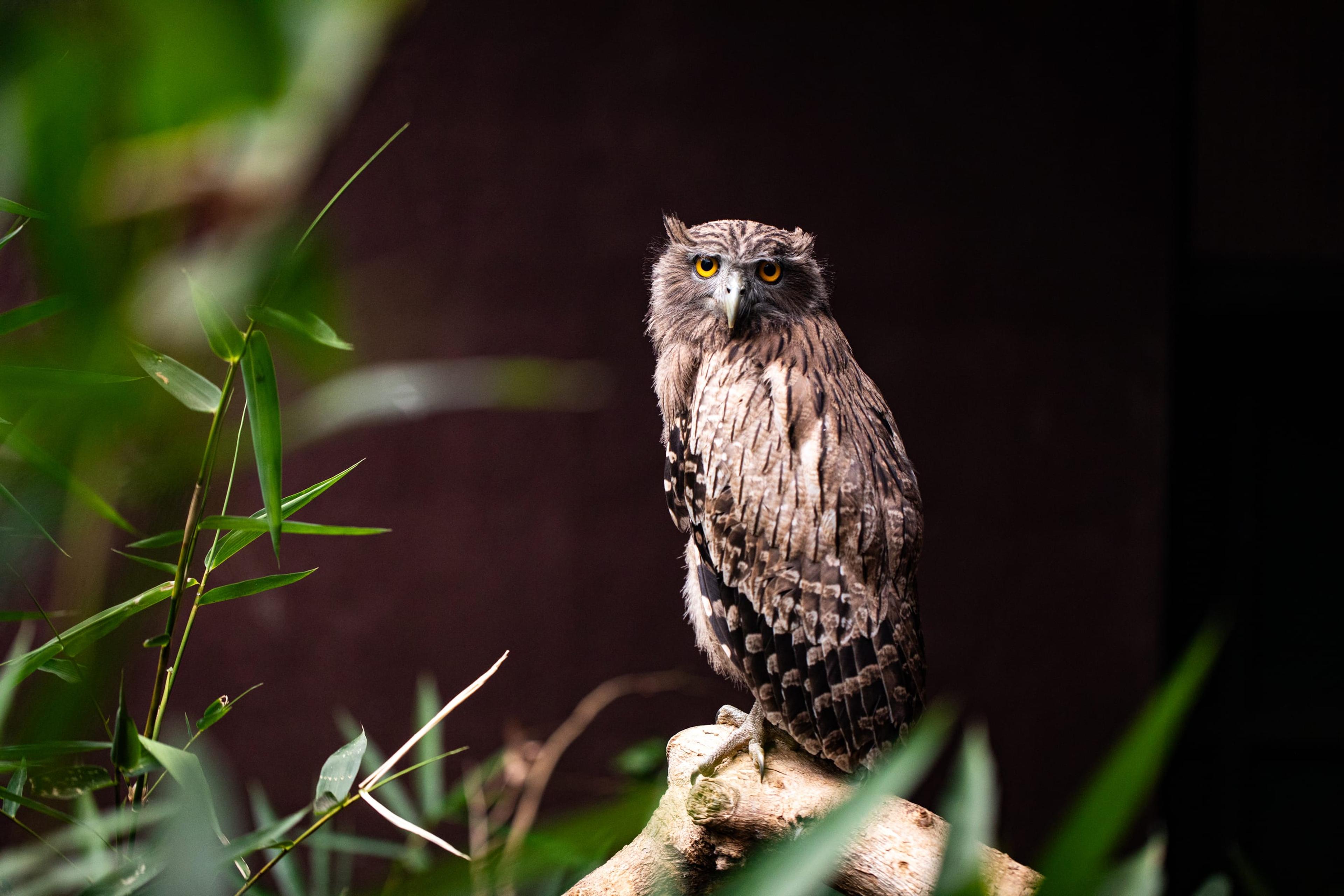
From raptors entangled in manja to storm-displaced nestlings, our centres treat birds across every guild: raptors, waterbirds and waders, ground-dwelling species, and urban tree-dwellers. Avian medicine demands speed and precision, as pneumatised bones and rapid infection windows leave little margin for delay. Rehabilitation is built around species-specific housing, flight conditioning, and independent foraging before release.
Read more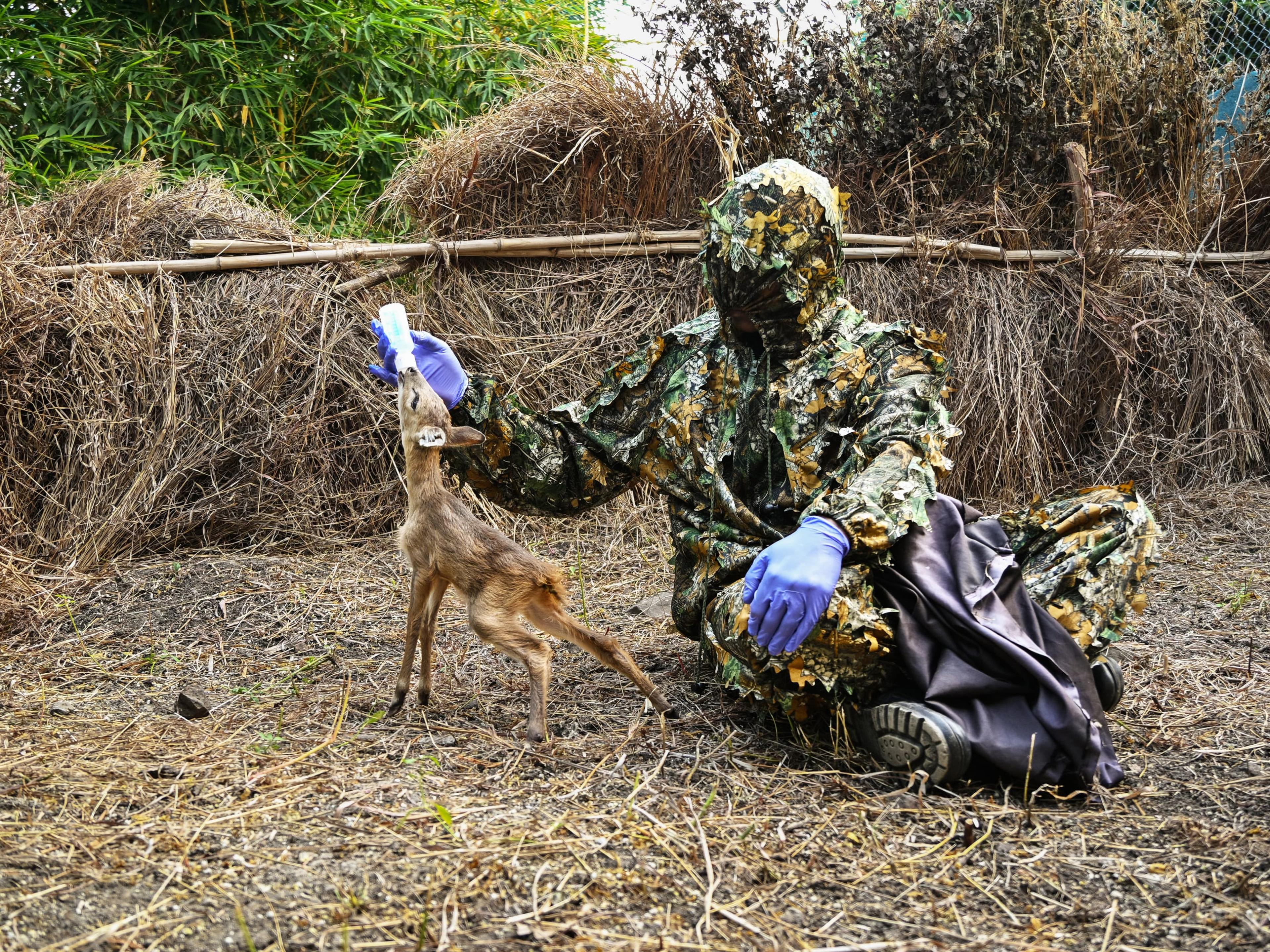
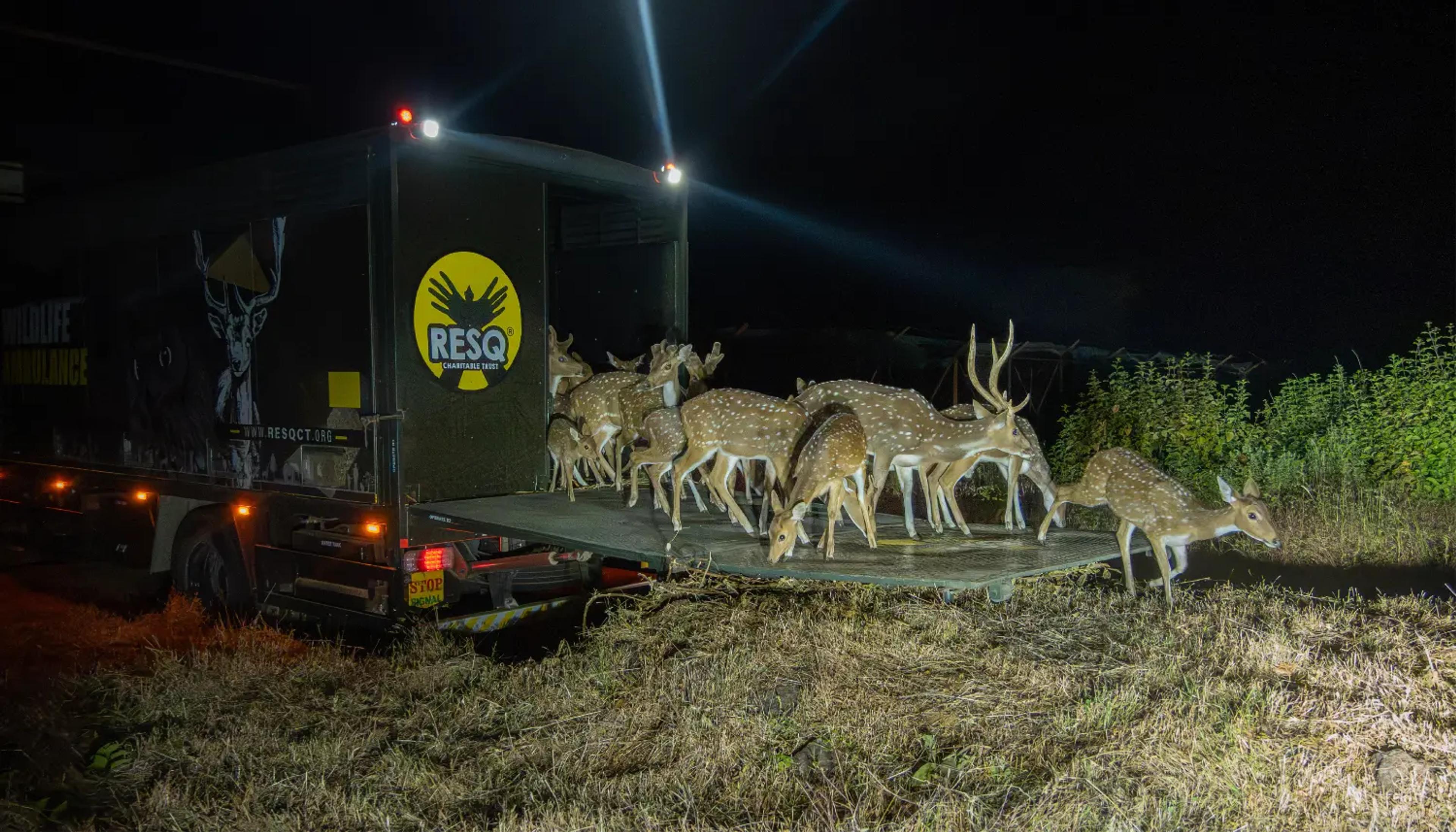
Our mammal caseload spans leopards and rusty-spotted cats to wolves, hyenas, deer, primates, and pangolins, admitted primarily for vehicle collisions, snare injuries, dog attacks, and orphaning. Treatment ranges from complex orthopaedic and spinal surgery to intensive neonatal care and hand-raising protocols designed to prevent human imprinting. Every recovery is measured against a single standard: an animal that is functionally wild at release.
Read more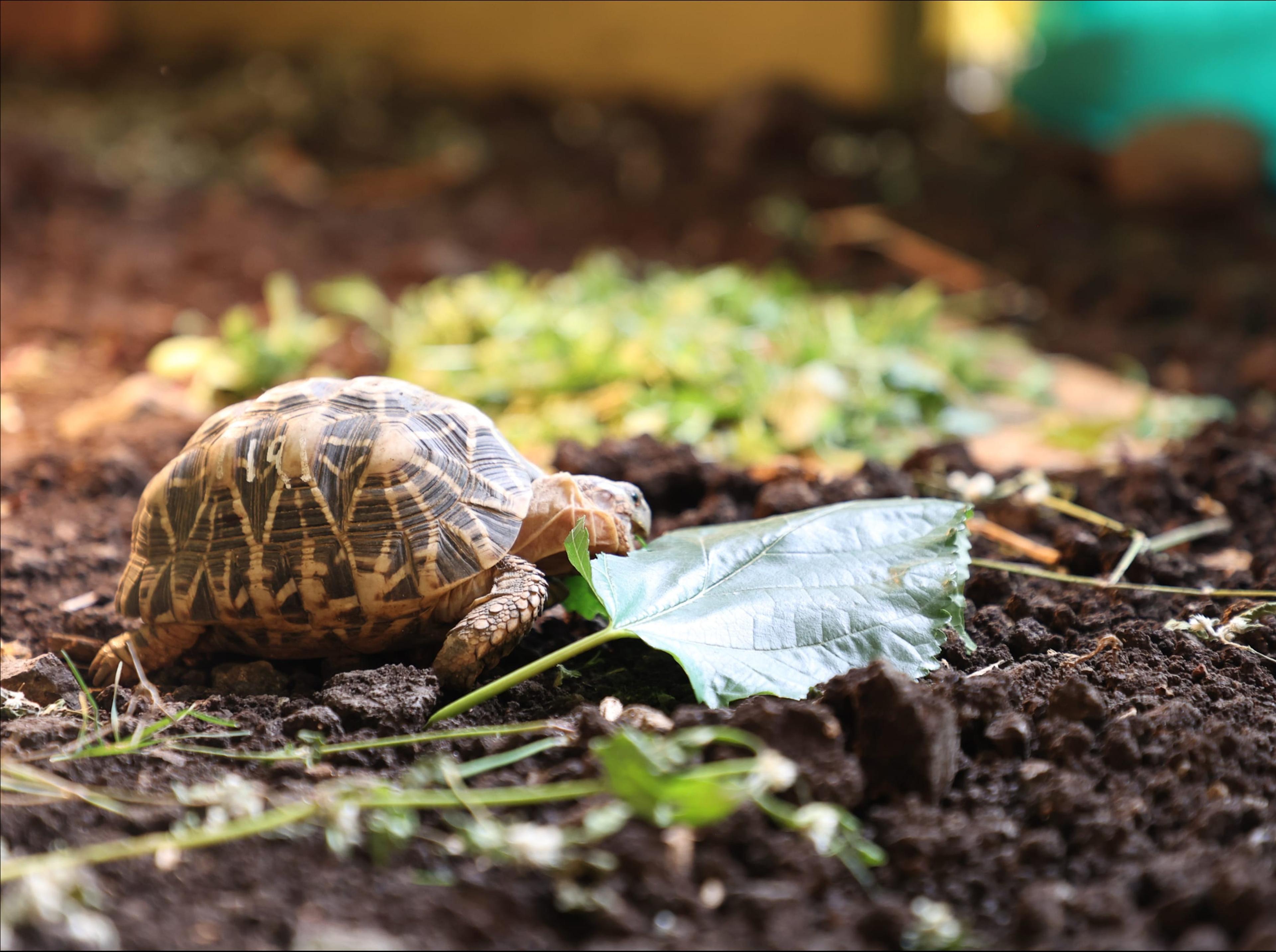
We provide aid to turtles, tortoises, snakes, and mugger crocodiles, with caseloads shaped heavily by illegal trade seizures, fear-driven trauma, and improper handling. Rehabilitation is species-specific, from UV exposure and substrate design for arid-zone tortoises to behavioural readiness assessment before release. Large seizure cohorts are managed through structured quarantine, staged recovery, and coordinated reintroduction with the Forest Department.
Read more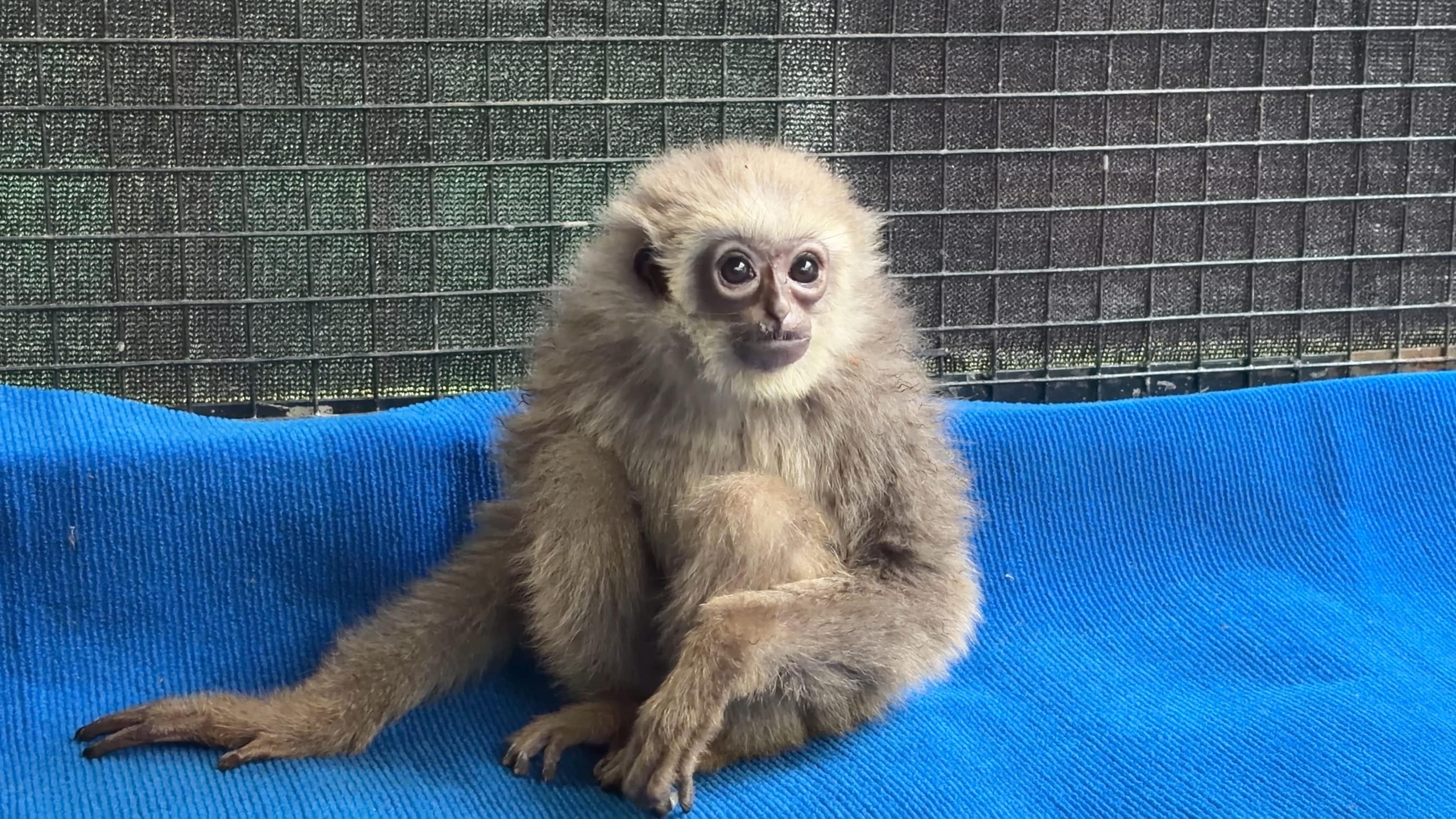
When exotic wildlife is seized in transit through India's airports, RESQ CT provides rapid on-ground welfare support in coordination with Customs, enforcement agencies, and the Forest Department. We stabilise, triage, identify, and document animals from ecosystems across the globe, preparing them for repatriation to their ports of origin. We are not the enforcement authority; we are the welfare authority, and that distinction defines our role.
Read more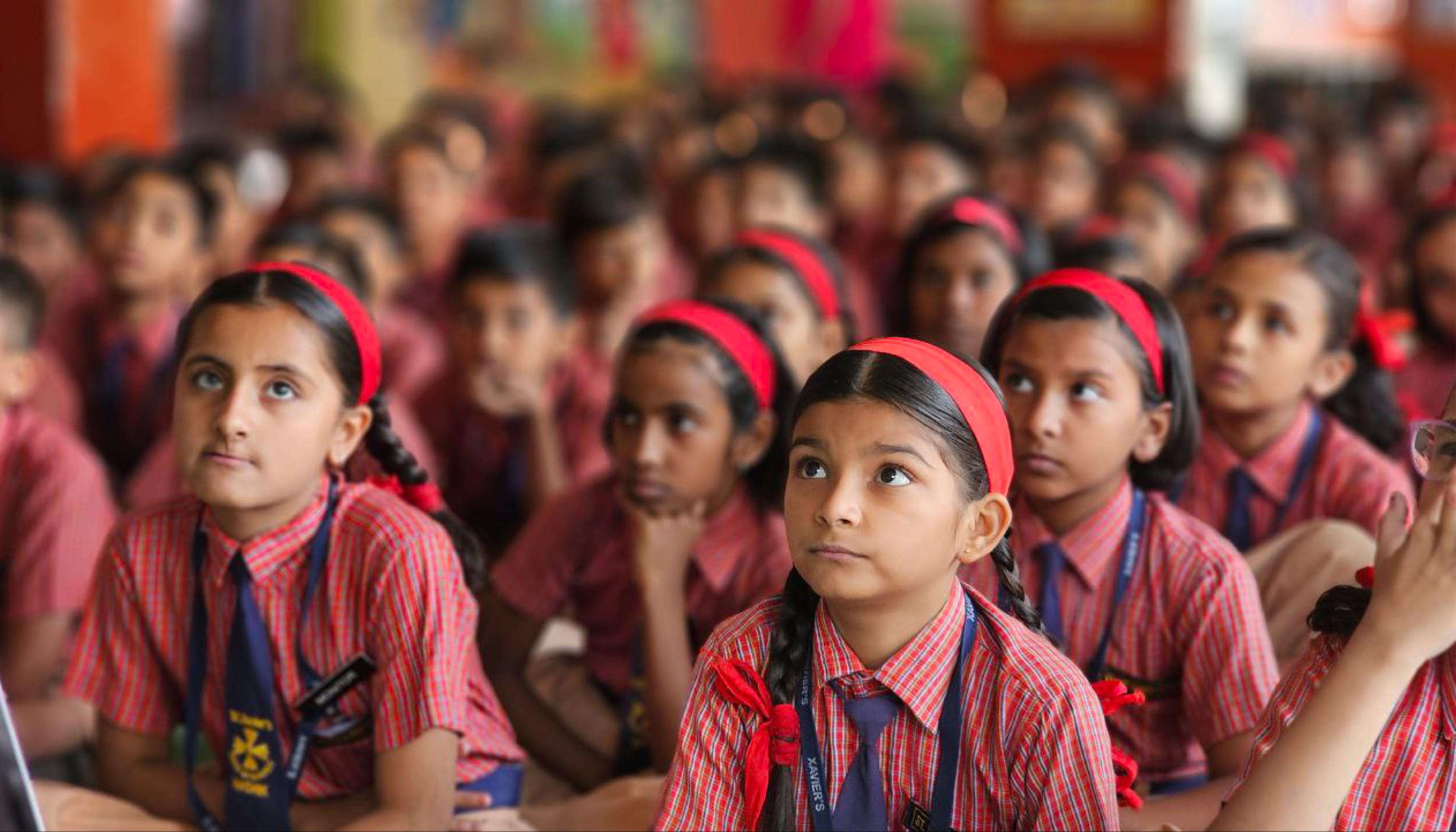 Read moreConservation EducationMost wildlife encounters in India are decided not by the animal, but by what the first human on the scene knows. A farmer who finds leopard cubs in…
In Our work
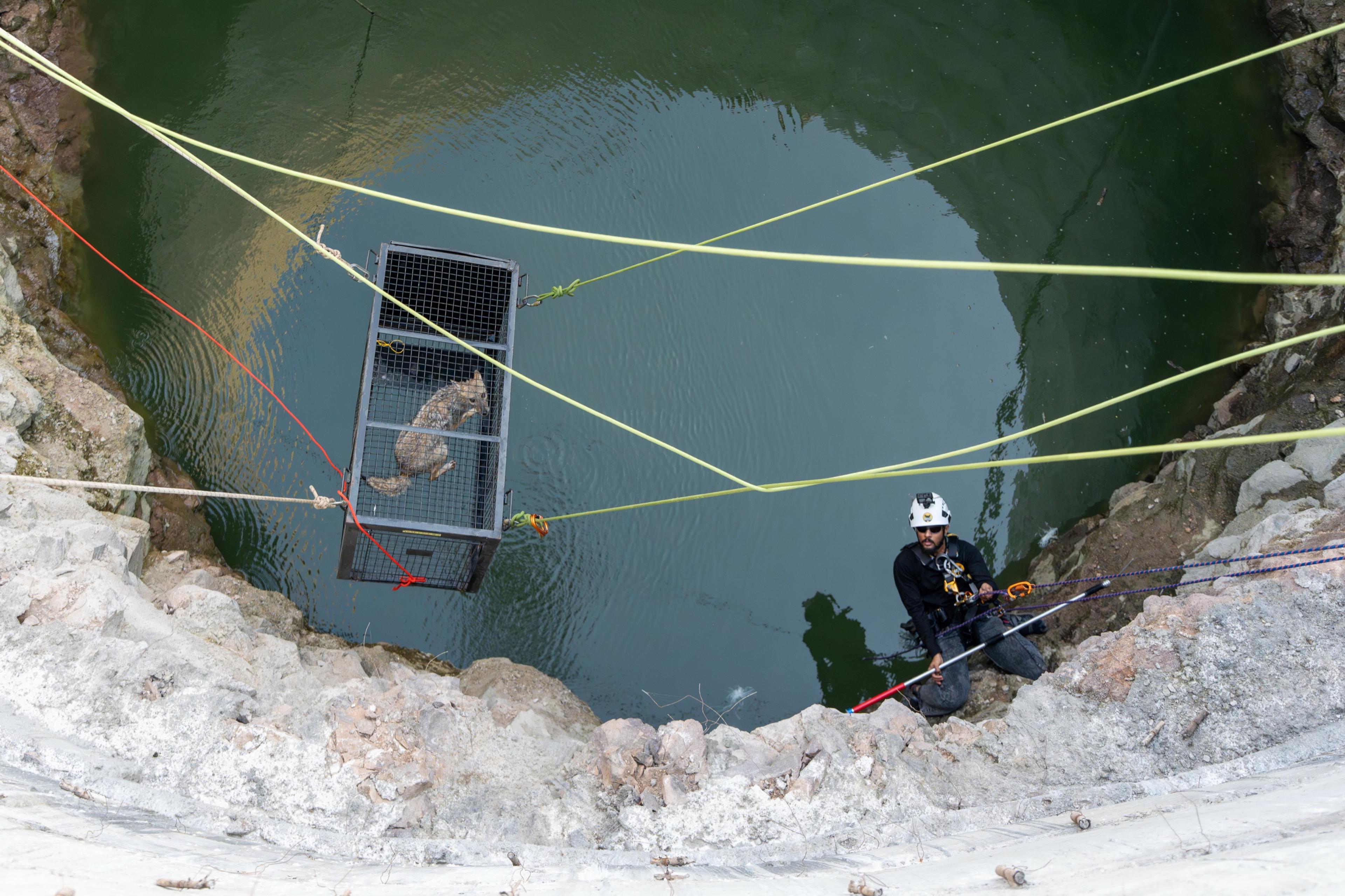 Wildlife emergency response
 Human-wildlife conflict management
 Mass capture & translocationsYou're hereVeterinary care & rehabilitationConservation education
 Training & capacity building
Support this work
A rescue is only the first step. Treatment, rehabilitation, release and the prevention work that follows all depend on people who choose to stand behind it.
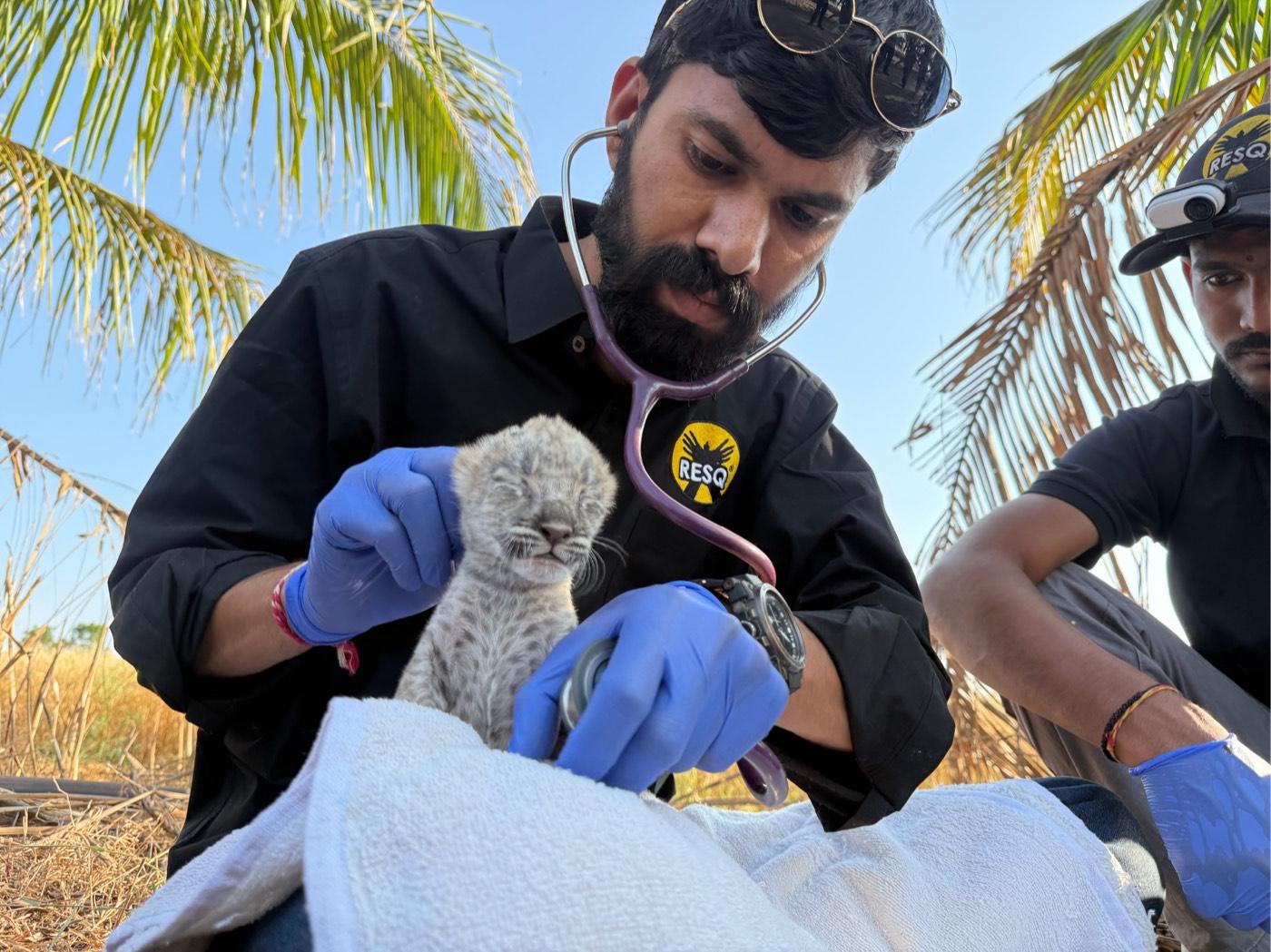
DonatePhoto: a RESQ vet examines a rescued leopard cub in the field.
Work alongside us
Individuals, students and groups support our centres, field teams and outreach programmes through the year. Every volunteer is trained and works to a shared code of conduct.
Volunteer with us