India's mammals are living through a steady contraction of the spaces they evolved to occupy. Habitat loss and fragmentation, poaching, human-wildlife conflict, roadkill on an ever-expanding linear infrastructure network, and disease spillover from the world's largest free-ranging dog population threaten species from apex predators to burrowing insectivores. The Indian pangolin, the world's most trafficked wild mammal, is poached relentlessly for its scales. Wild canids face canine distemper and rabies transmitted from unvaccinated dogs at the edges of protected areas. Carnivores are more threatened by infectious disease than any other mammalian group, and for small, fragmented populations, a single outbreak can undo decades of protection.
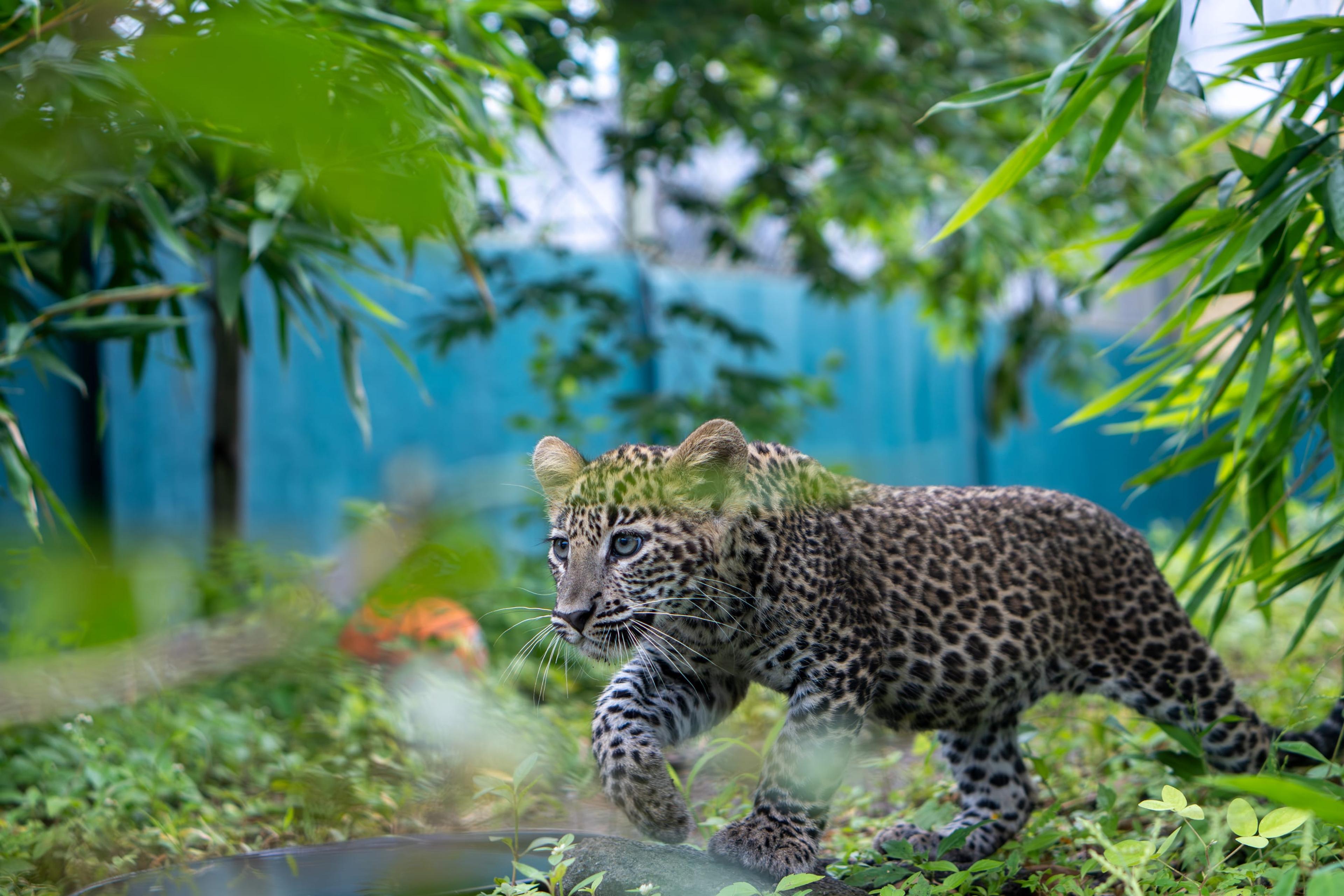
Our mammal caseload reflects every one of those pressures. Leopards and rusty-spotted cats, wolves, hyenas, and jackals, deer and antelope, primates, pangolins, civets, and otters arrive with vehicle collision trauma, snare injuries, dog attack wounds, electrocution burns, and disease, alongside juveniles orphaned or displaced by conflict. Cases range from complex orthopaedic and spinal surgery to intensive neonatal care for animals whose mothers did not survive. Because so many admissions carry infectious disease risk, quarantine, screening, and vaccination protocols are integral to clinical care, protecting both the patients in our centres and the wild populations they return to.
Every treatment decision is weighed against a single outcome: an animal that is functionally wild at release. Hand-raising protocols are structured to prevent human imprinting, enclosures are designed to elicit natural behaviour, and recovery timelines are set by the animal, not the calendar. A predator that grows increasingly difficult to handle and increasingly uninterested in human presence is not a problem; it is precisely what we work towards. For species whose populations can no longer absorb losses, each successful release is a direct return of a breeding, functioning individual to a landscape that needs it.
Rescued as a 400 gram cub after attempts to reunite her with her mother failed, this Indian striped hyena underwent a year of intensive rehabilitation designed to keep her wild, from den-making and food-hiding to a deliberate distrust of humans. Weighing 20 kg and having met every milestone, she was fitted with a GPS collar and reintroduced into her natural habitat.
Found injured near Dhule with internal eye injuries that had left it blind, this Indian wolf gradually regained its vision through meticulous treatment and rehabilitation. Fully recovered, it was released with a GPS collar and reintegrated seamlessly; once it was clearly thriving, the collar was remotely dropped off, leaving it free to enjoy its renewed lease on life.
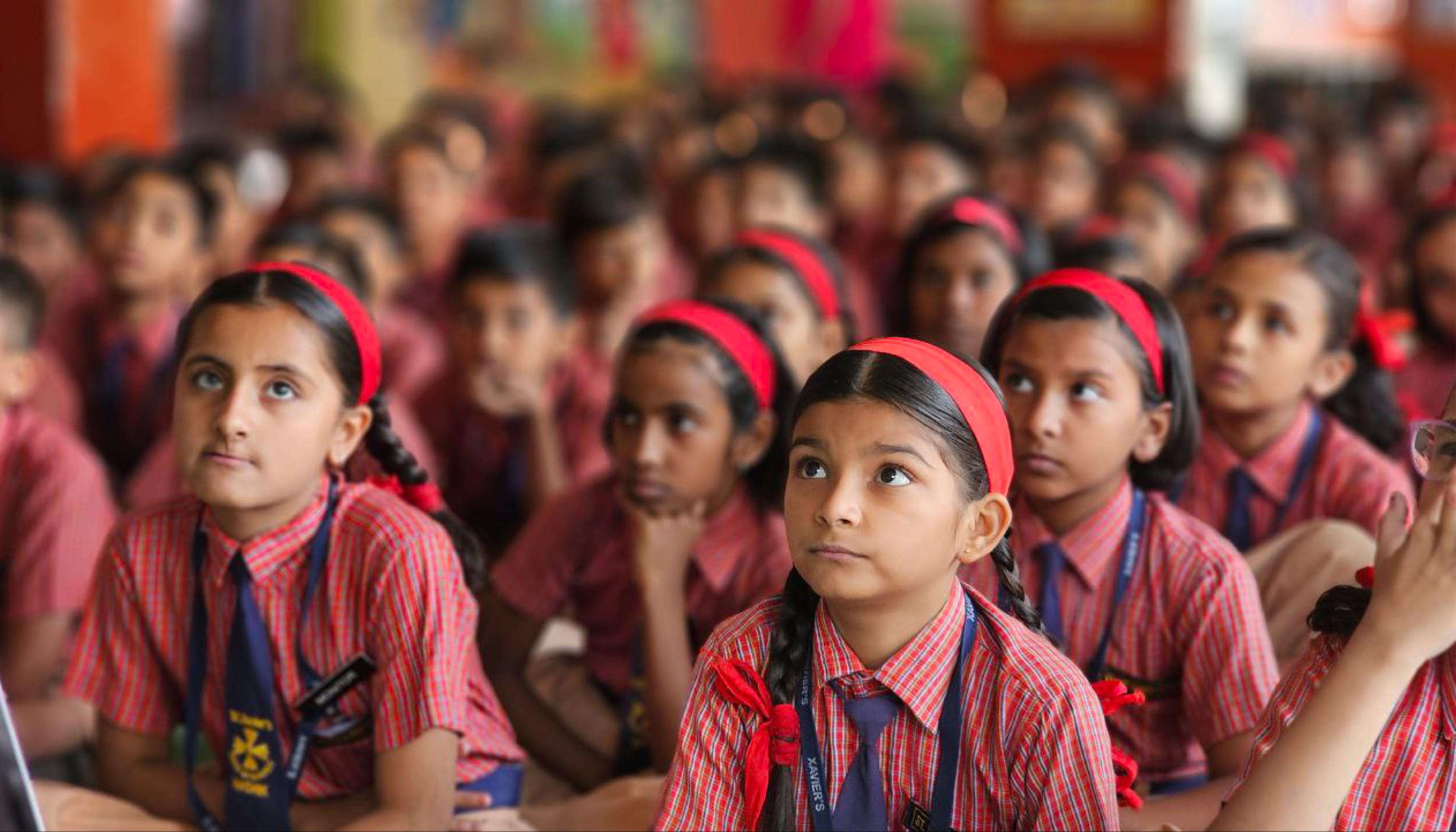 Read moreConservation EducationMost wildlife encounters in India are decided not by the animal, but by what the first human on the scene knows. A farmer who finds leopard cubs in…
In Our work
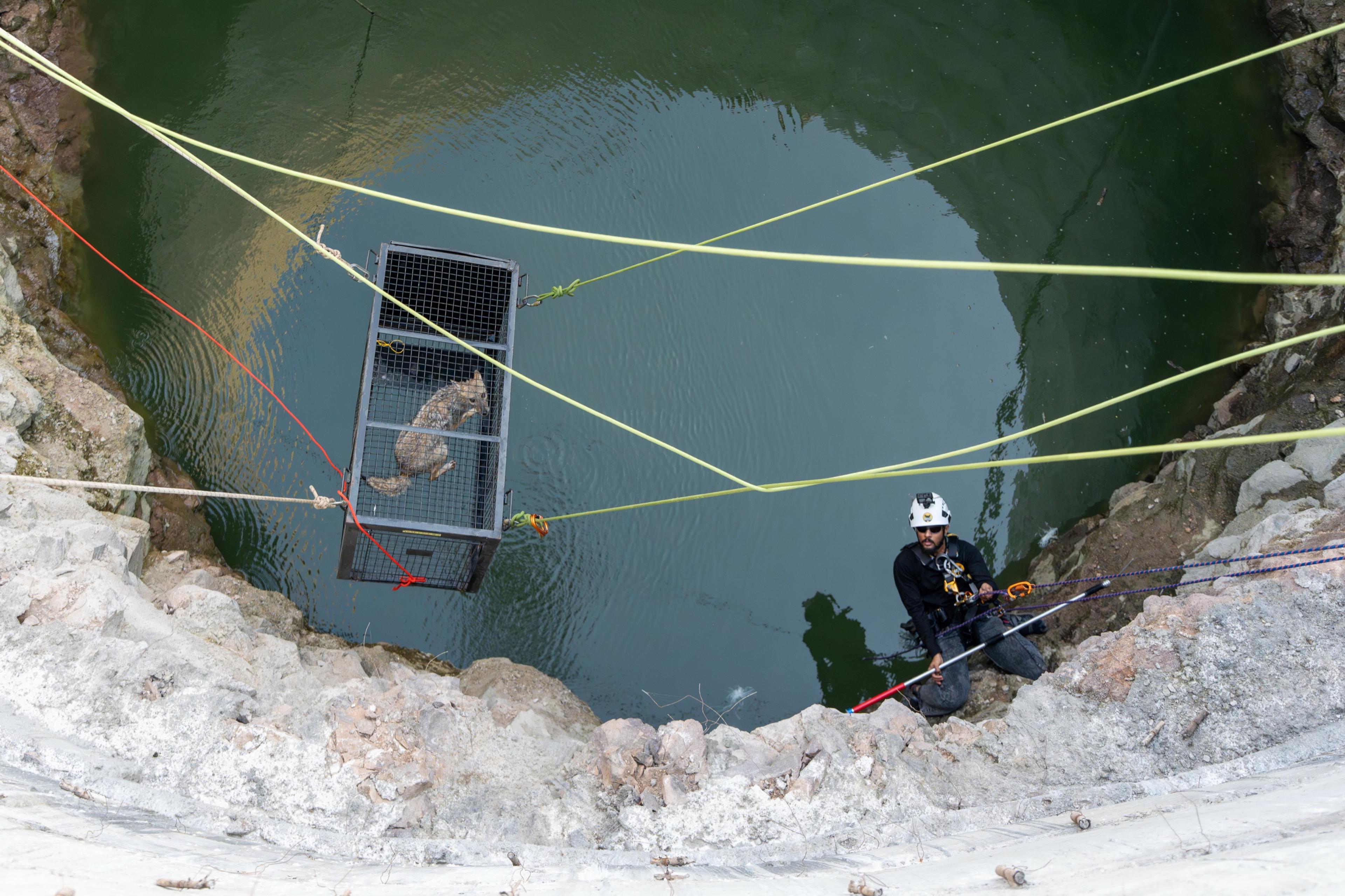 Wildlife emergency response
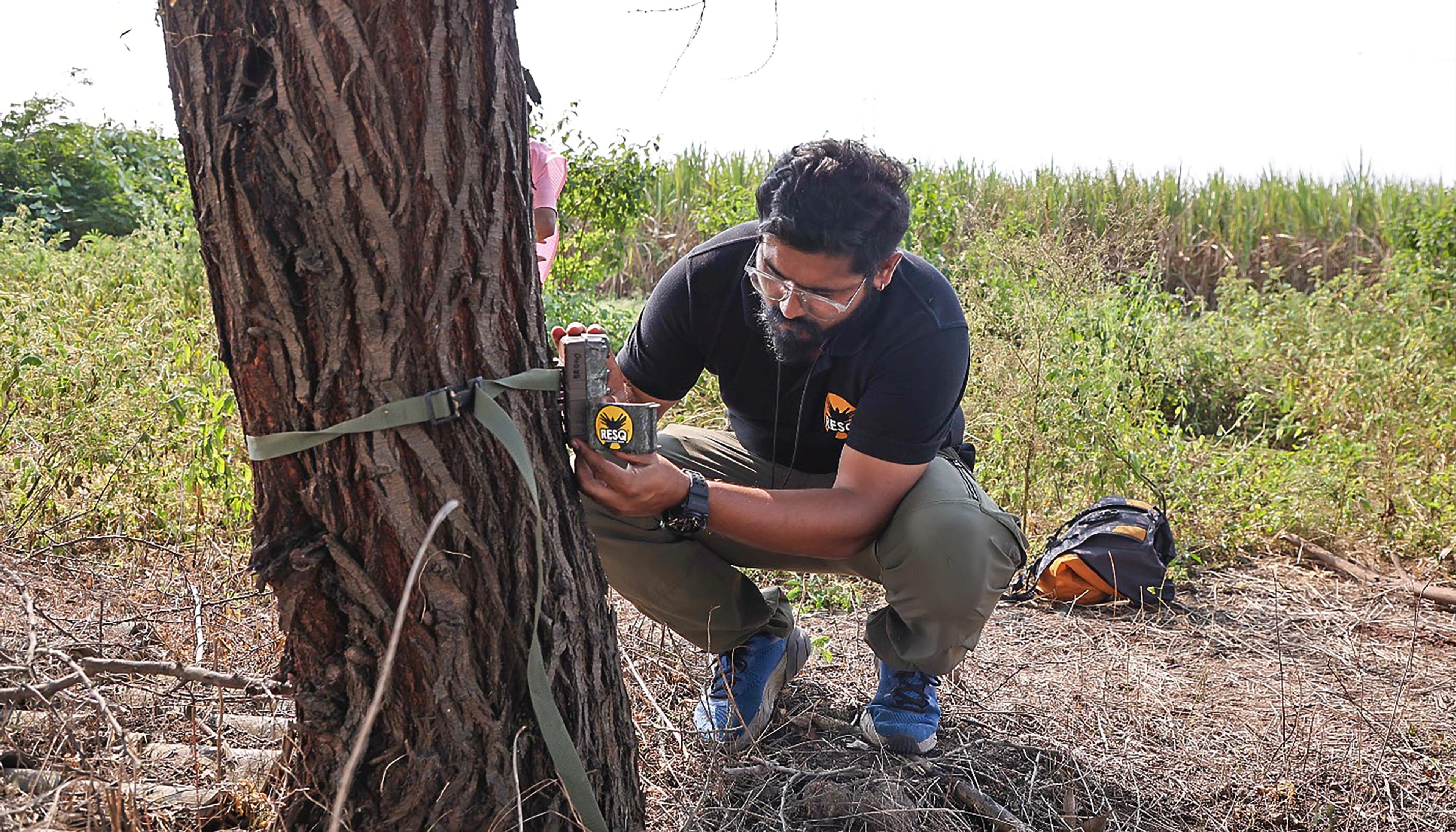 Human-wildlife conflict management
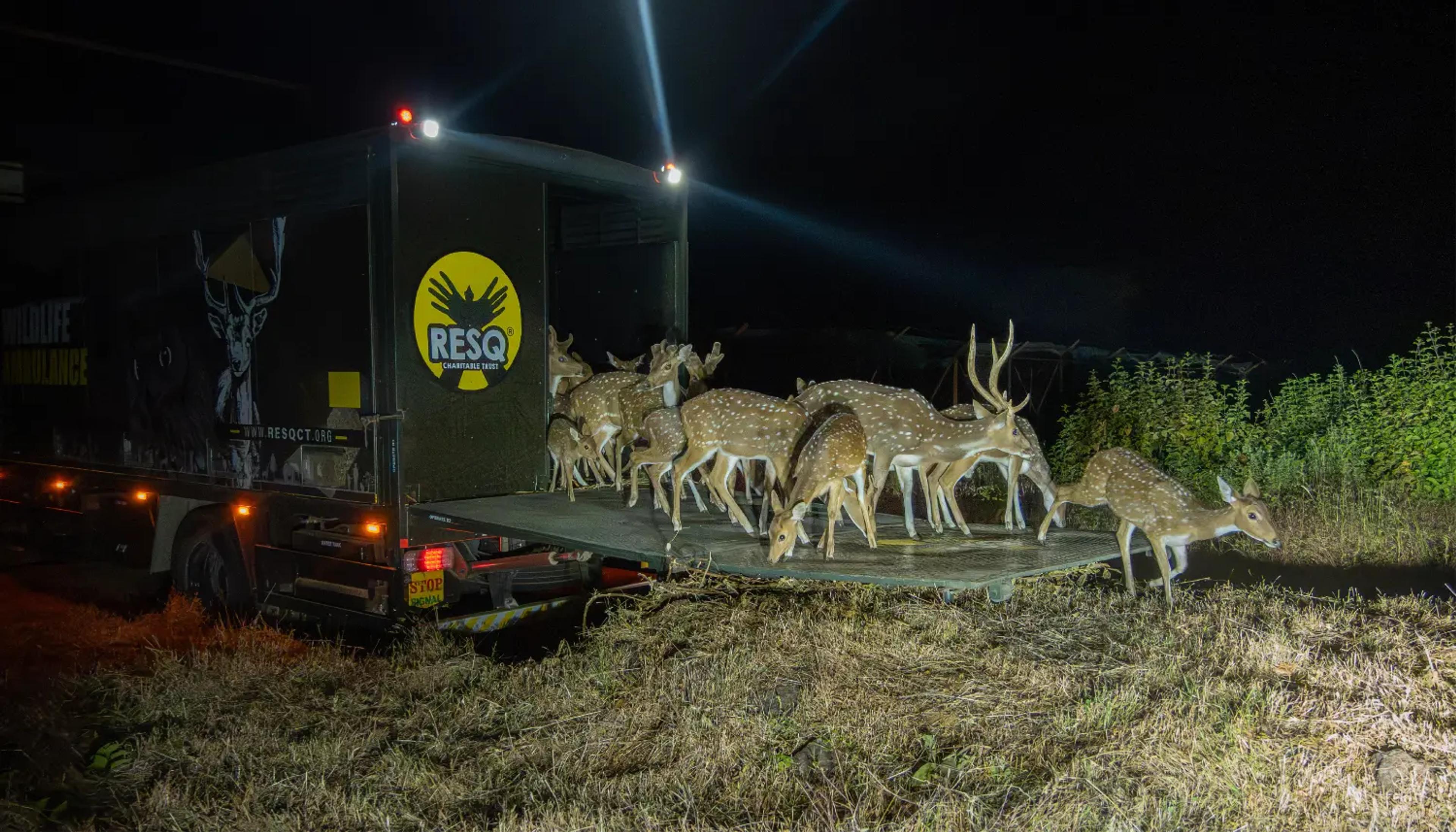 Mass capture & translocations
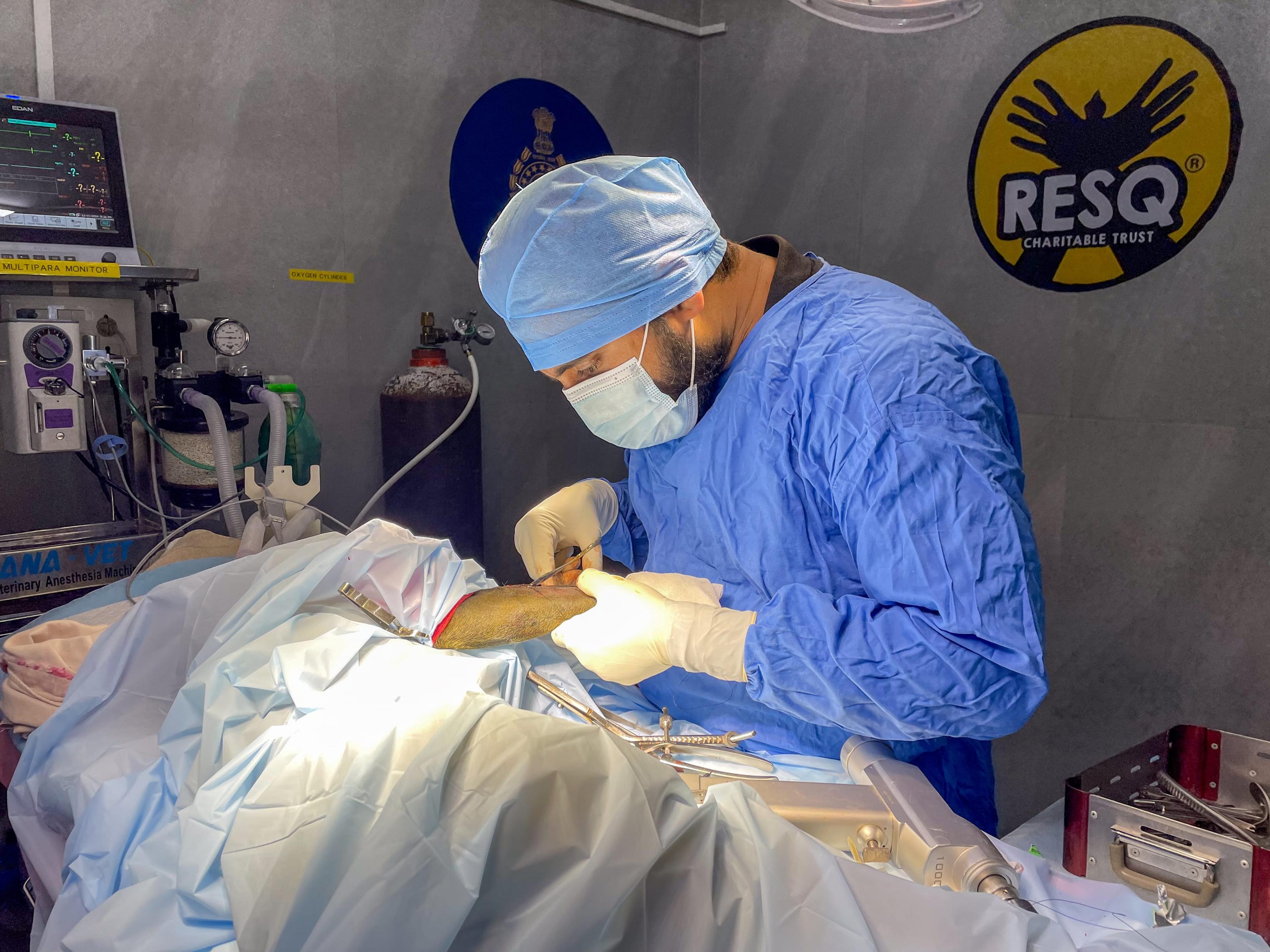 You're hereVeterinary care & rehabilitationConservation education
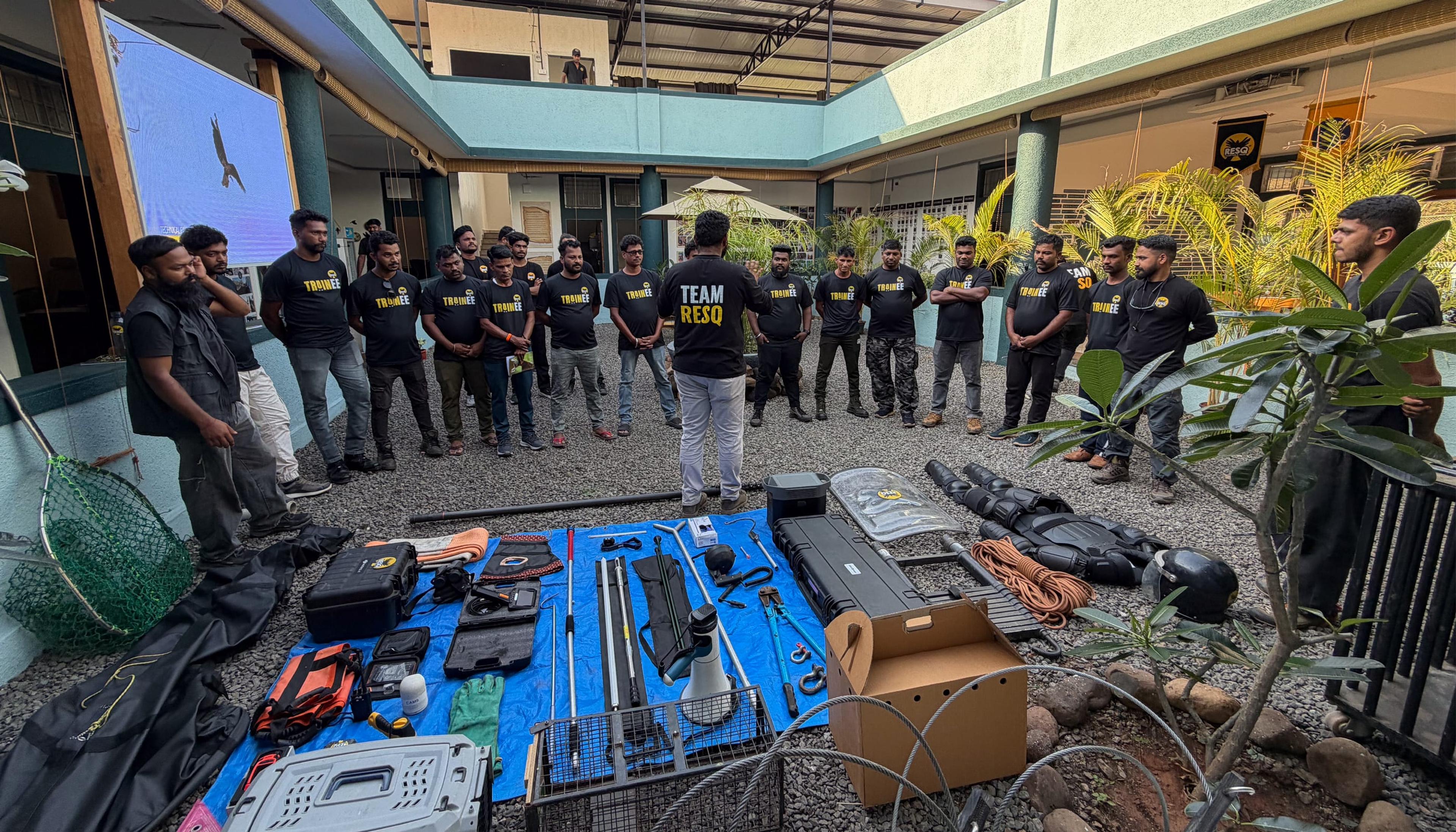 Training & capacity building
Support this work
A rescue is only the first step. Treatment, rehabilitation, release and the prevention work that follows all depend on people who choose to stand behind it.
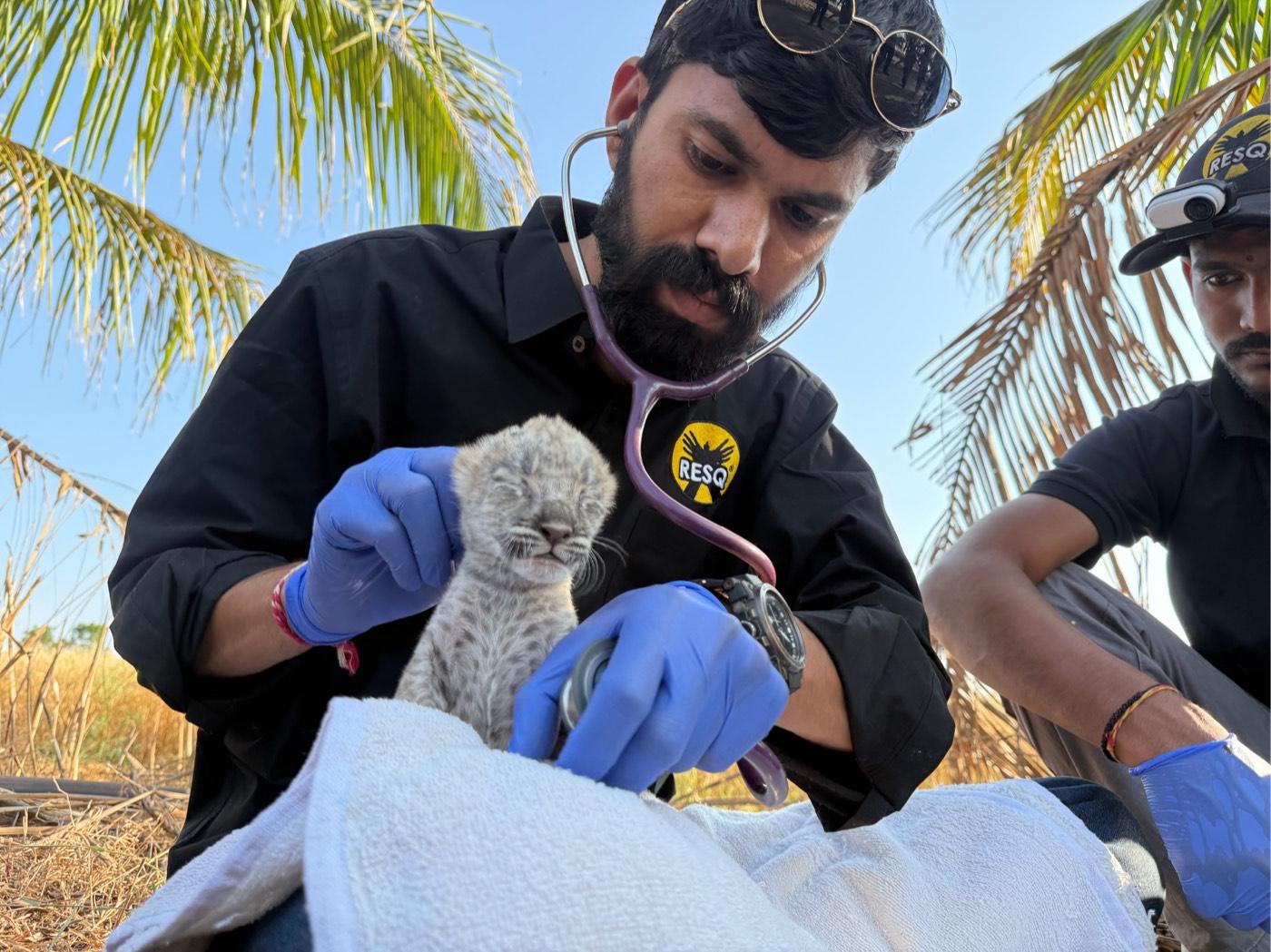
DonatePhoto: a RESQ vet examines a rescued leopard cub in the field.
Work alongside us
Individuals, students and groups support our centres, field teams and outreach programmes through the year. Every volunteer is trained and works to a shared code of conduct.
Volunteer with us