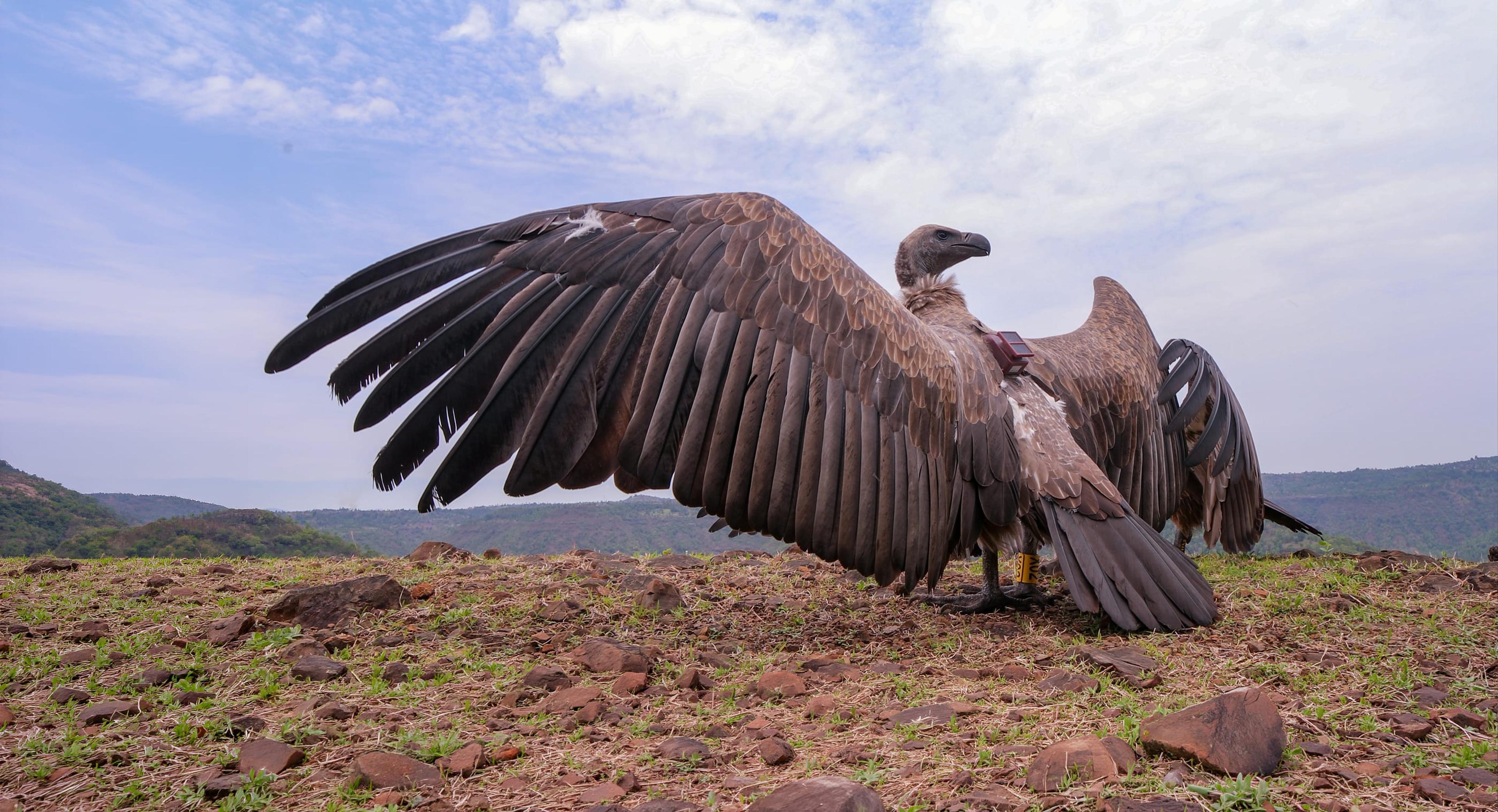
India is home to over 1,350 bird species, and the majority of them are in trouble. The State of India's Birds 2023 report found that 60 per cent of species assessed over the long term have declined, with raptors, migratory shorebirds, and ducks declining the most. The drivers are systemic: habitat loss and forest degradation, urbanisation, environmental pollutants, avian disease, illegal hunting and trade, and climate change. India's vulture collapse remains the starkest warning of what a single pressure can do; populations of resident Gyps vultures crashed after the birds fed on carcasses of livestock treated with the veterinary drug diclofenac, and toxic veterinary pharmaceuticals continue to threaten the survivors. This is not an Indian problem alone; nearly half of all bird species worldwide are in decline.
Against that backdrop, every bird that reaches our centres represents both an individual emergency and a fragment of a larger crisis. Manja entanglement, collisions, storm-related nest falls, glue traps, electrocution, disease, and illegal captivity bring in patients across every avian guild: raptors from Critically Endangered vultures to owls, waterbirds and waders, ground-dwelling species, and the parakeets and koels of our cities. Avian medicine leaves little room for delay. Bird bones are pneumatised and thin-walled, infection windows are short, and disease surveillance matters as much as treatment; a rehabilitation centre is often where outbreaks affecting wild populations are first detected. Strict quarantine and biosecurity protocols therefore underpin everything we do.
Rehabilitation is designed around what each species needs to function in the wild. Housing is configured for flight and height, diet protocols are built on natural prey and forage, and birds progress from assisted feeding to independent foraging before release is considered. The clearest sign of success is a bird that moves away from us, not towards us. For species already under pressure across their range, returning even one healthy, fully wild individual to the landscape is a measurable contribution to populations that can no longer afford losses.
This white-rumped vulture was found incapacitated, suffering from severe dehydration and a fractured leg that required surgery. Following treatment and rehabilitation, it made a full recovery and was released into suitable habitat, reclaiming its place in the skies.
Glue traps laid for rats do not discriminate, and these two red-vented bulbuls paid the price, their feathers bound in adhesive and flight compromised. Our team spent hours gently freeing each feather without causing further damage; both birds recovered fully and were released together.
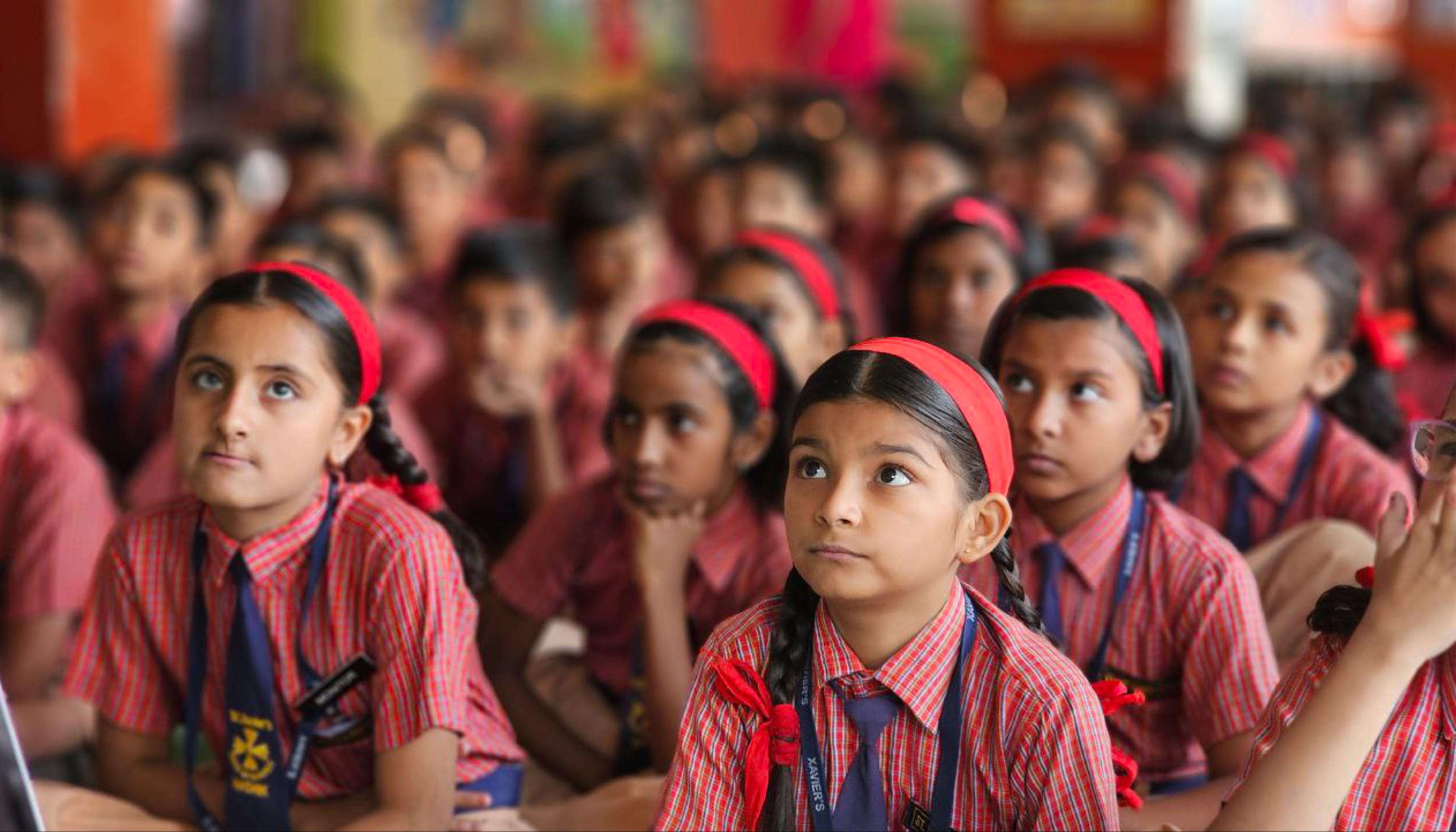 Read moreConservation EducationMost wildlife encounters in India are decided not by the animal, but by what the first human on the scene knows. A farmer who finds leopard cubs in…
In Our work
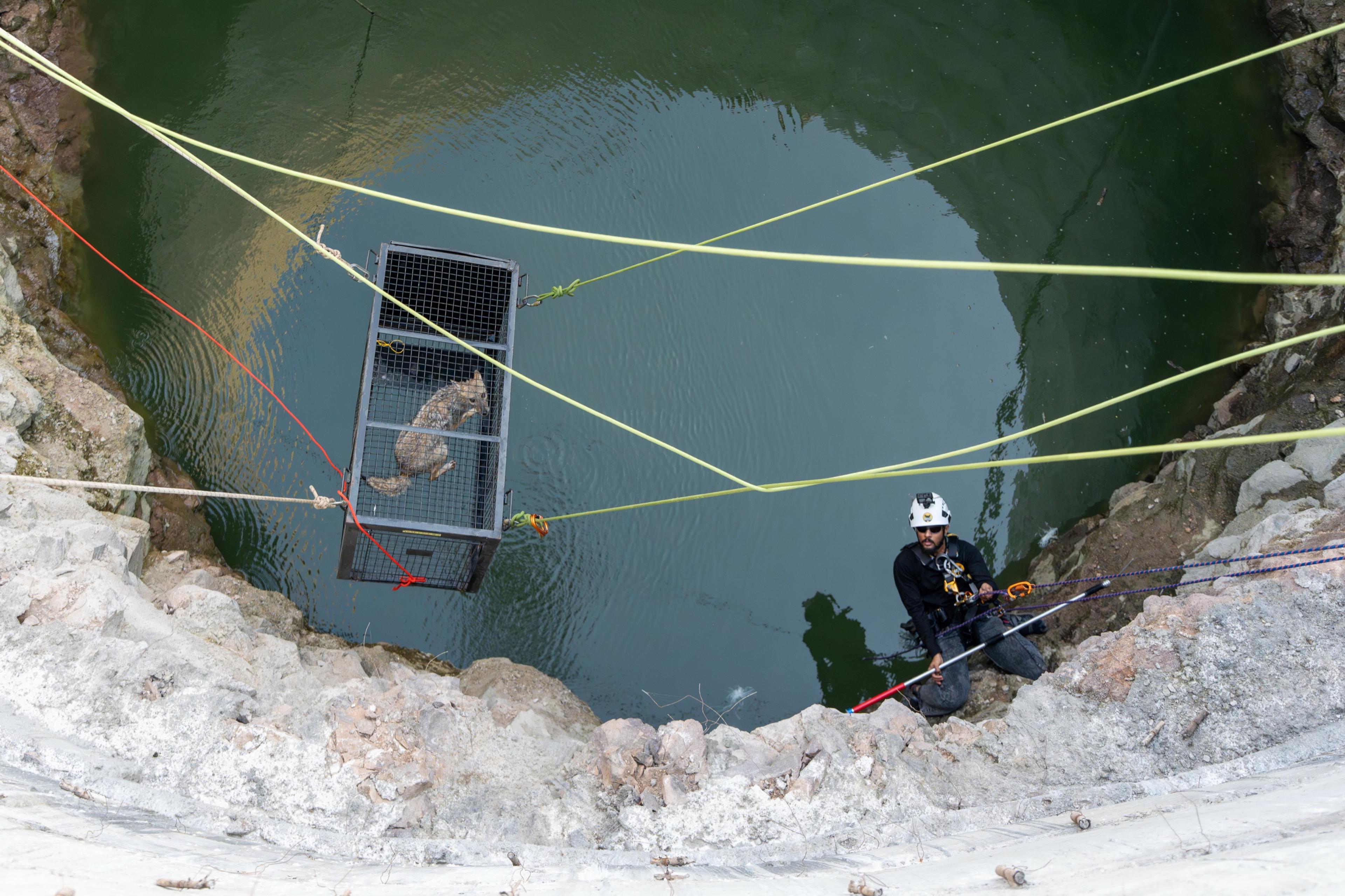 Wildlife emergency response
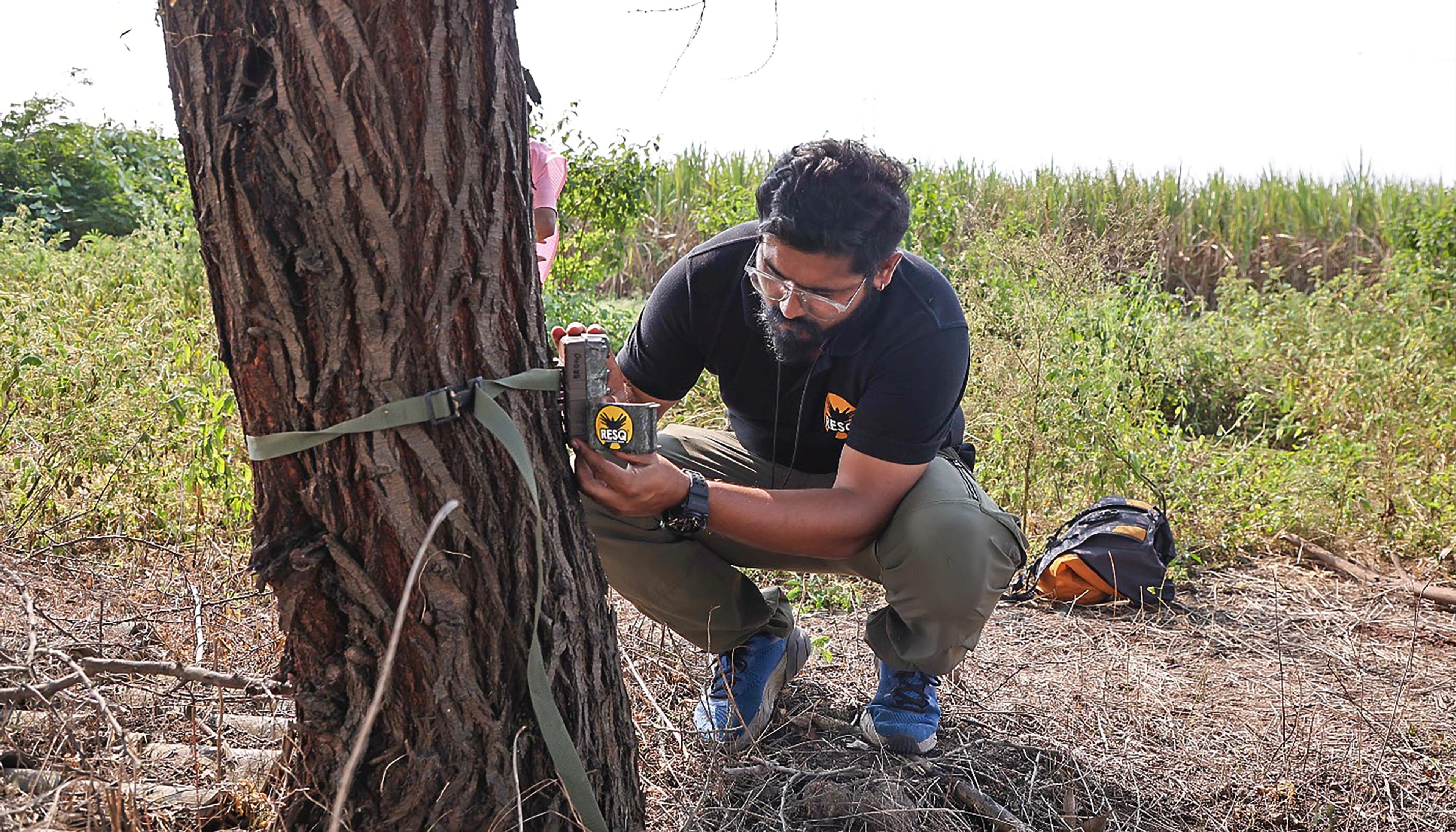 Human-wildlife conflict management
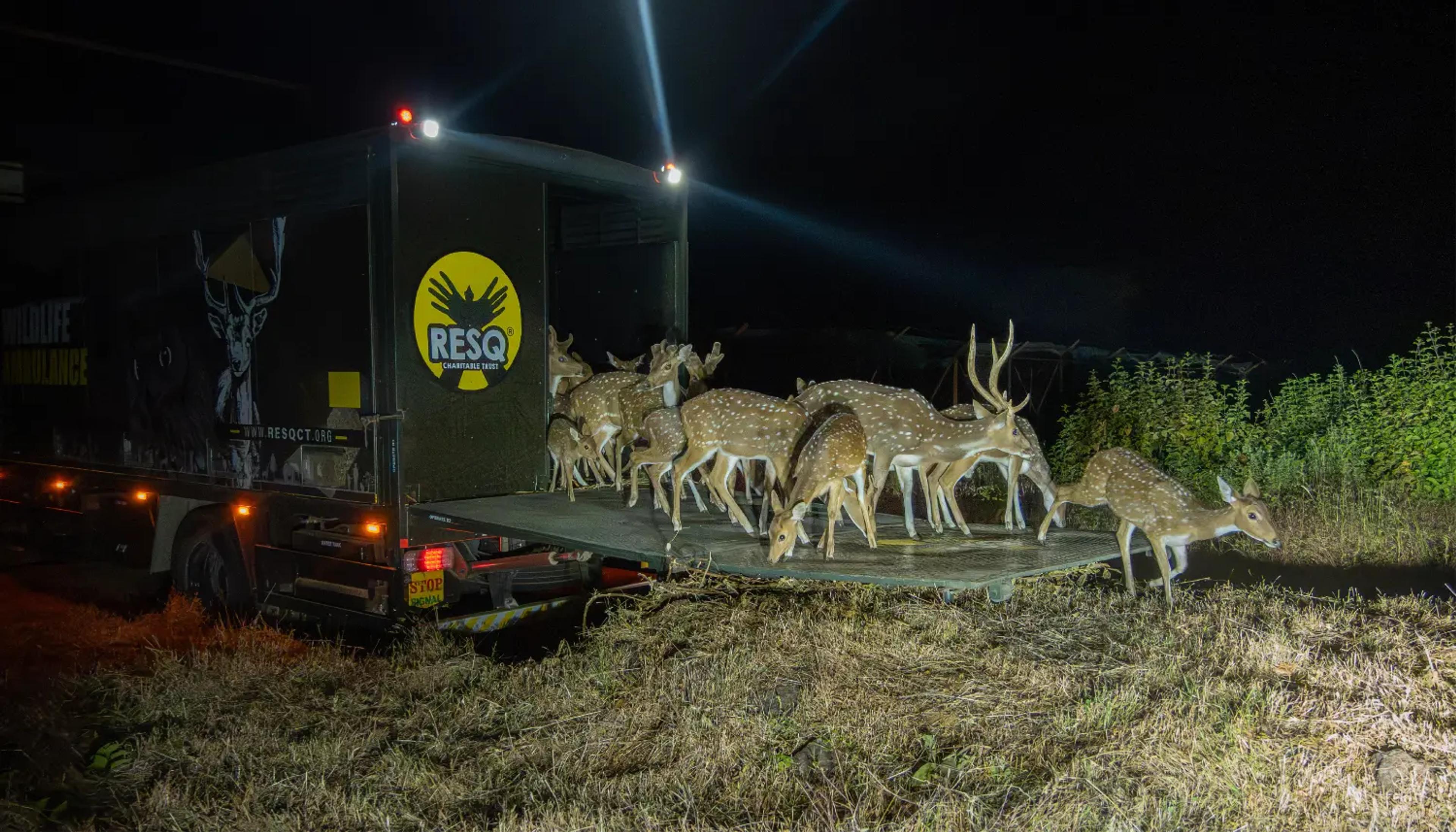 Mass capture & translocations
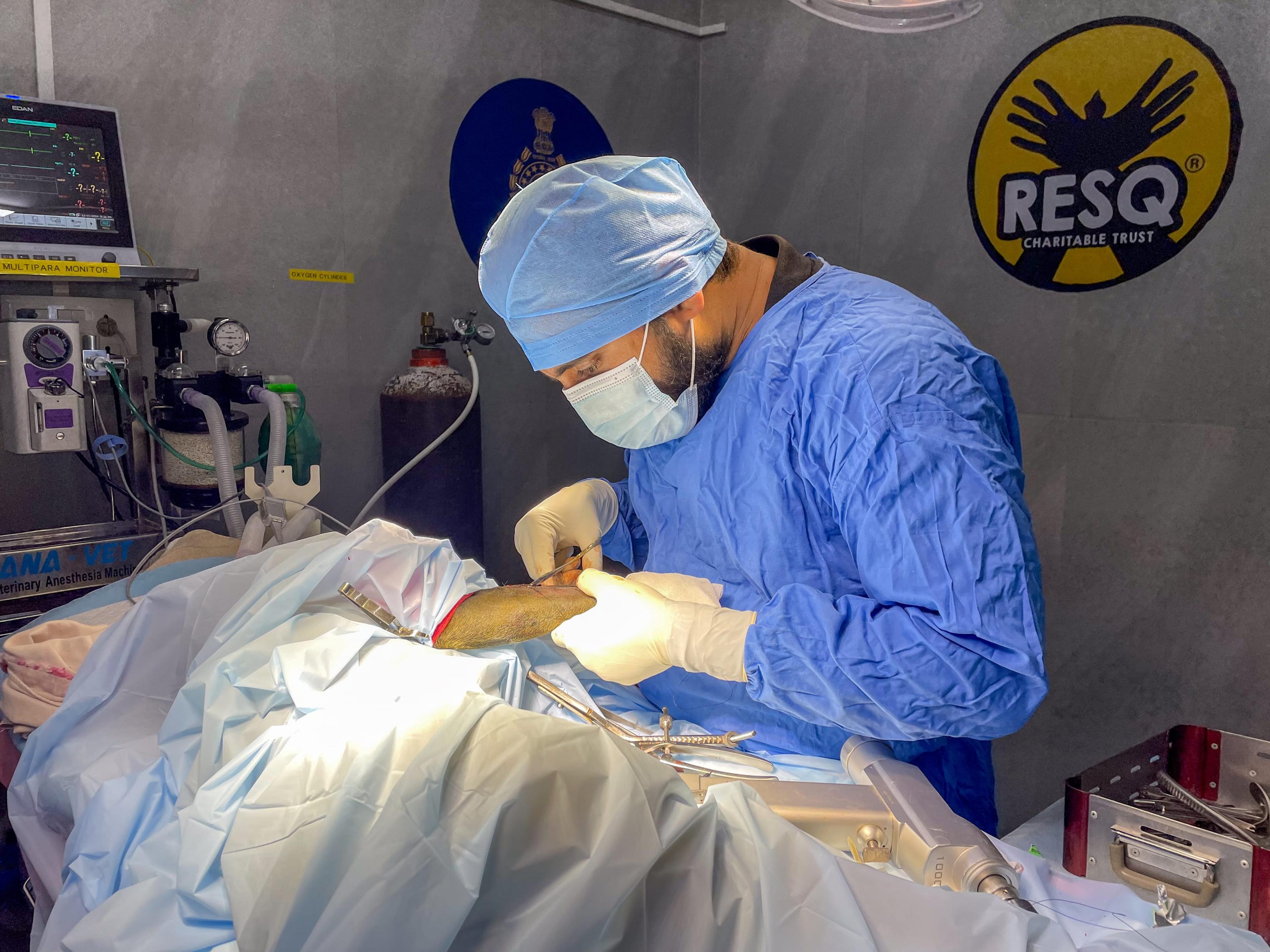 You're hereVeterinary care & rehabilitationConservation education
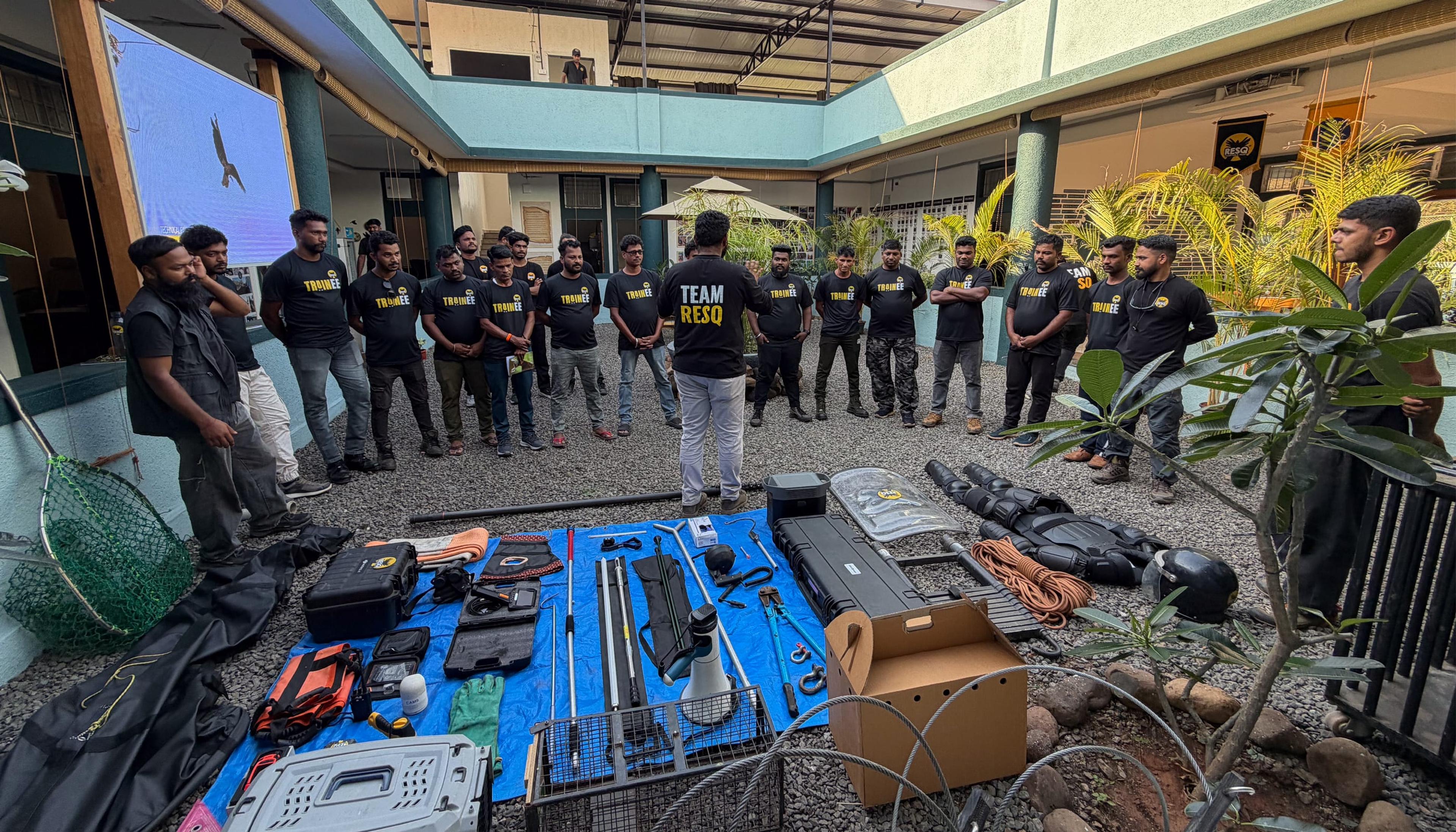 Training & capacity building
Support this work
A rescue is only the first step. Treatment, rehabilitation, release and the prevention work that follows all depend on people who choose to stand behind it.
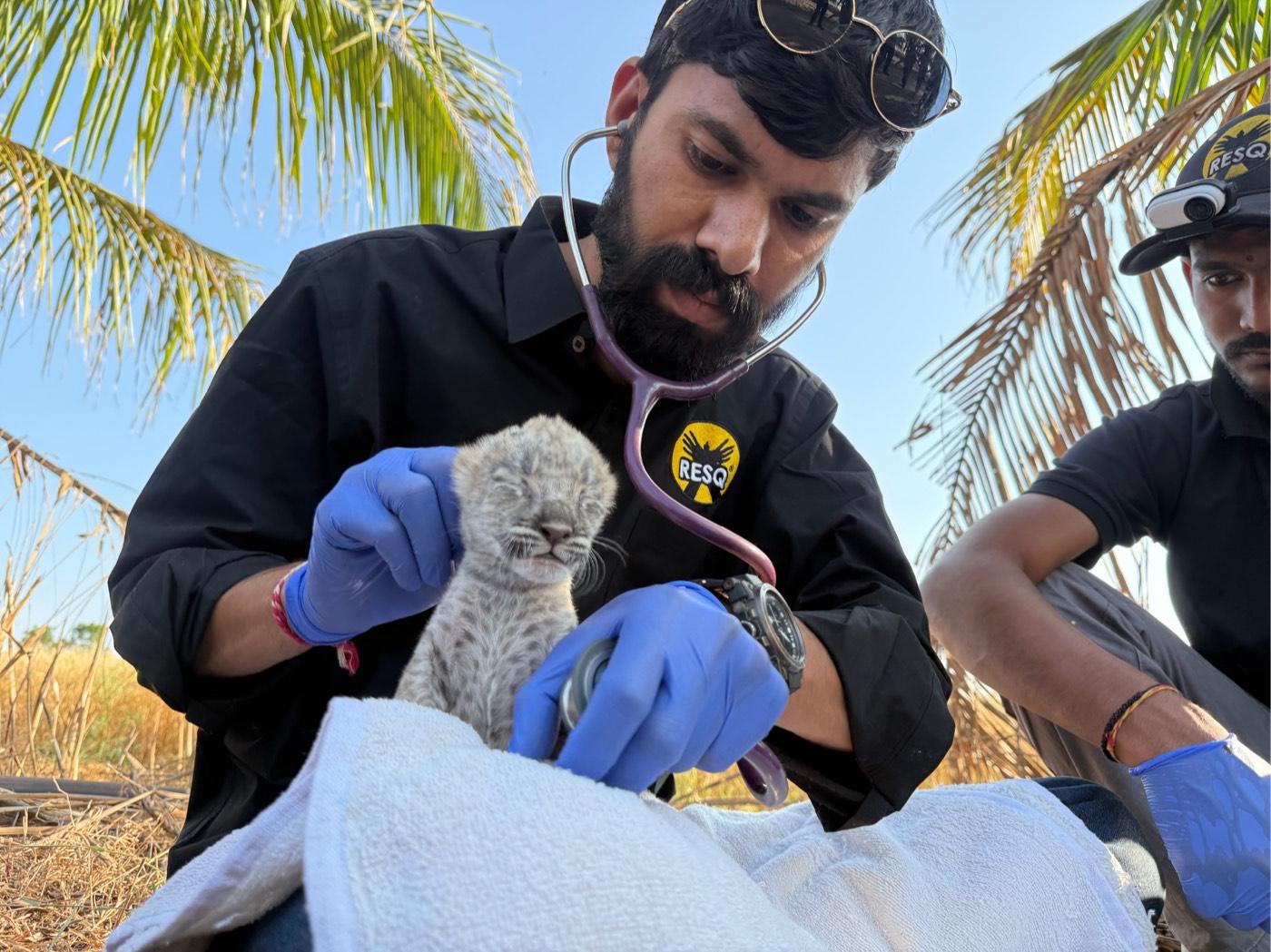
DonatePhoto: a RESQ vet examines a rescued leopard cub in the field.
Work alongside us
Individuals, students and groups support our centres, field teams and outreach programmes through the year. Every volunteer is trained and works to a shared code of conduct.
Volunteer with us