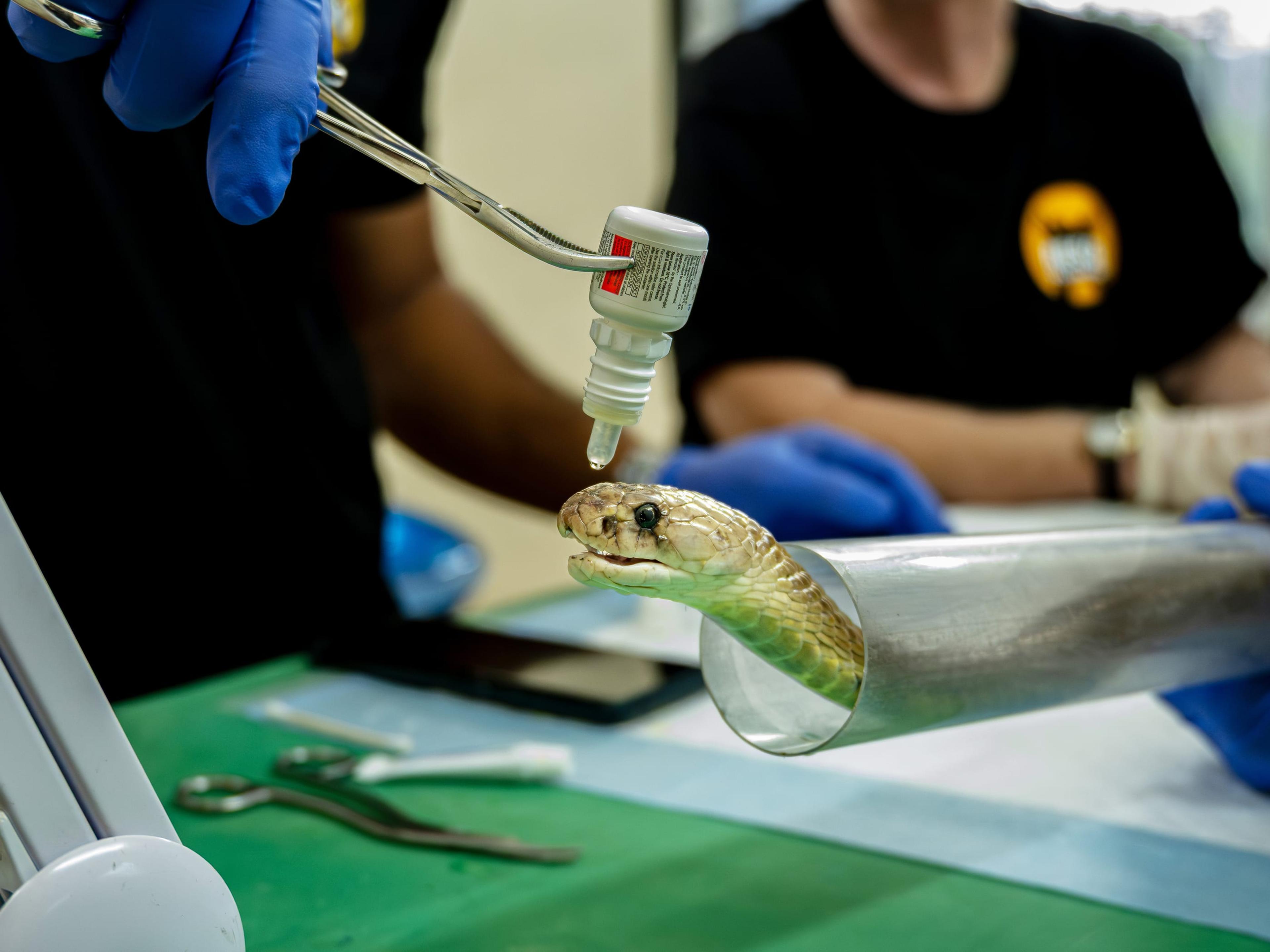
Reptiles are among the most persecuted and least understood animals in India. They arrive at our centres carrying the consequences of both fear and greed. Snakes are admitted with blunt force trauma from panicked human encounters, spinal injuries from improper handling, and entanglement in discarded netting. Freshwater turtles and tortoises, among the most trafficked animal groups in the world, come to us from enforcement seizures bearing the physical record of the illegal trade: shell deformities, nutritional deficiencies, dehydration, and compromised immune function. Mugger crocodiles are rescued from wells, canals, and residential water bodies where their shrinking waterways intersect with ours. Globally, reptiles receive a fraction of the conservation attention directed at birds and mammals, and their declines are quieter for it.
Reptile medicine demands a fundamentally different clinical approach. Ectothermic physiology means healing is slow, drug metabolism is temperature-dependent, and an animal can mask critical illness for weeks. Treatment protocols are built around thermal gradients, species-appropriate humidity and UV exposure, and long recovery timelines that would be considered extraordinary in avian or mammalian care. Large seizure cohorts add a further layer: structured quarantine, disease screening, and individual identification are essential before any animal in a confiscated group can be cleared for release.
Release is a matter of behavioural readiness as much as physical recovery. Arid-zone tortoises must demonstrate natural ranging and foraging behaviour, aquatic species must dive and feed independently, and in animals this cryptic, assessing readiness demands close observation over weeks. Rehabilitated cohorts are returned to ecologically appropriate habitat in coordination with the Forest Department, restoring individuals to populations depleted by trade and persecution, and giving species that inspire more fear than sympathy the same standard of care as any other patient.
Stranded at the beach with deep shell fractures from a boat propeller strike, lung congestion and intestinal gas that left it floating helplessly, unable to dive, this green sea turtle faced uncertain odds. Over 2.5 months of intensive care, artificial seawater tanks and specialised nutrition, it regained its strength, began diving again and was released back into the ocean it belongs to.
Admitted in distress with a stomach full of surprises, including a twisted piece of metal wire, this python needed meticulous surgery to set things right. It made a full recovery and a triumphant return to its natural habitat, where it belongs.
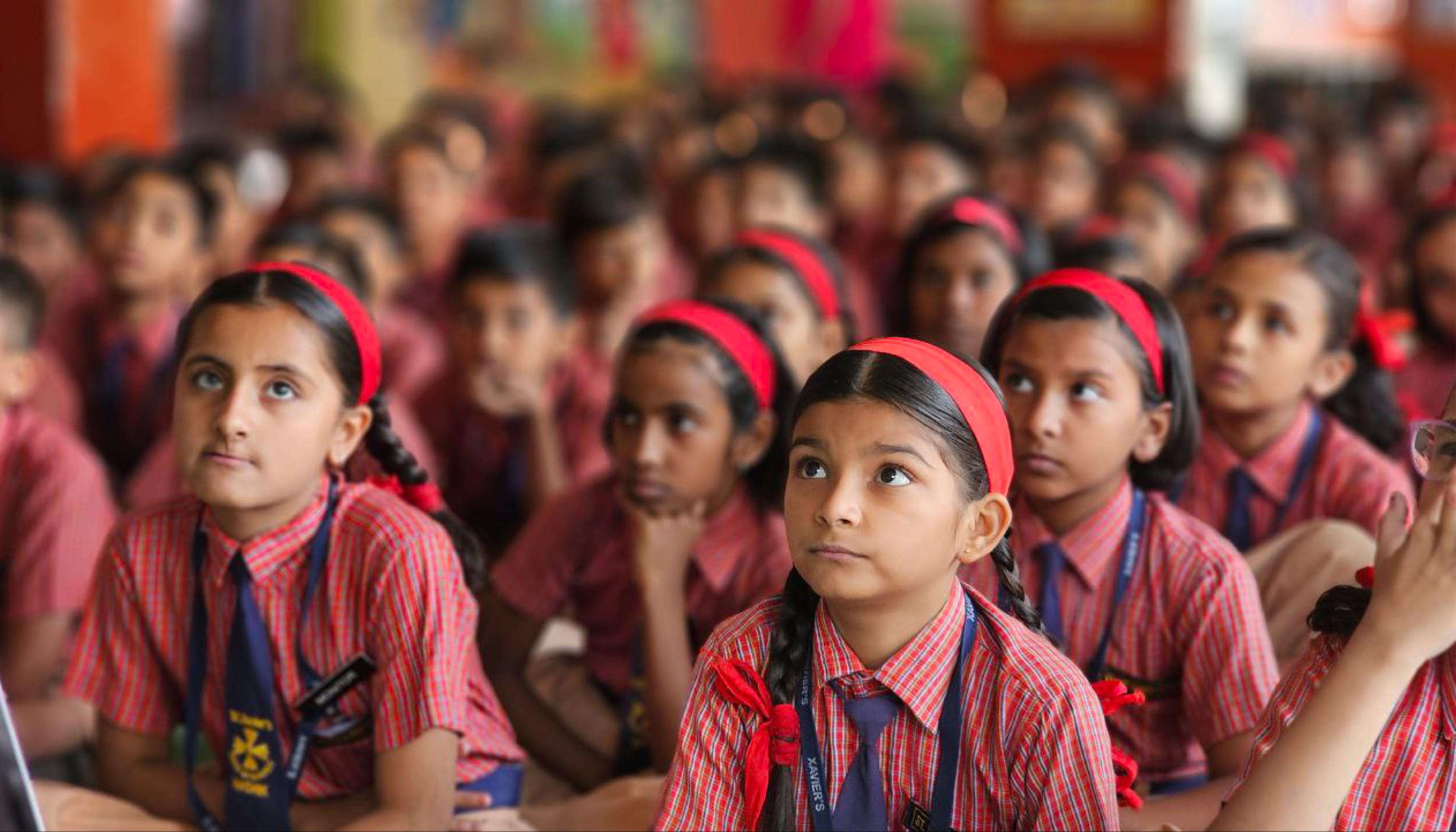 Read moreConservation EducationMost wildlife encounters in India are decided not by the animal, but by what the first human on the scene knows. A farmer who finds leopard cubs in…
In Our work
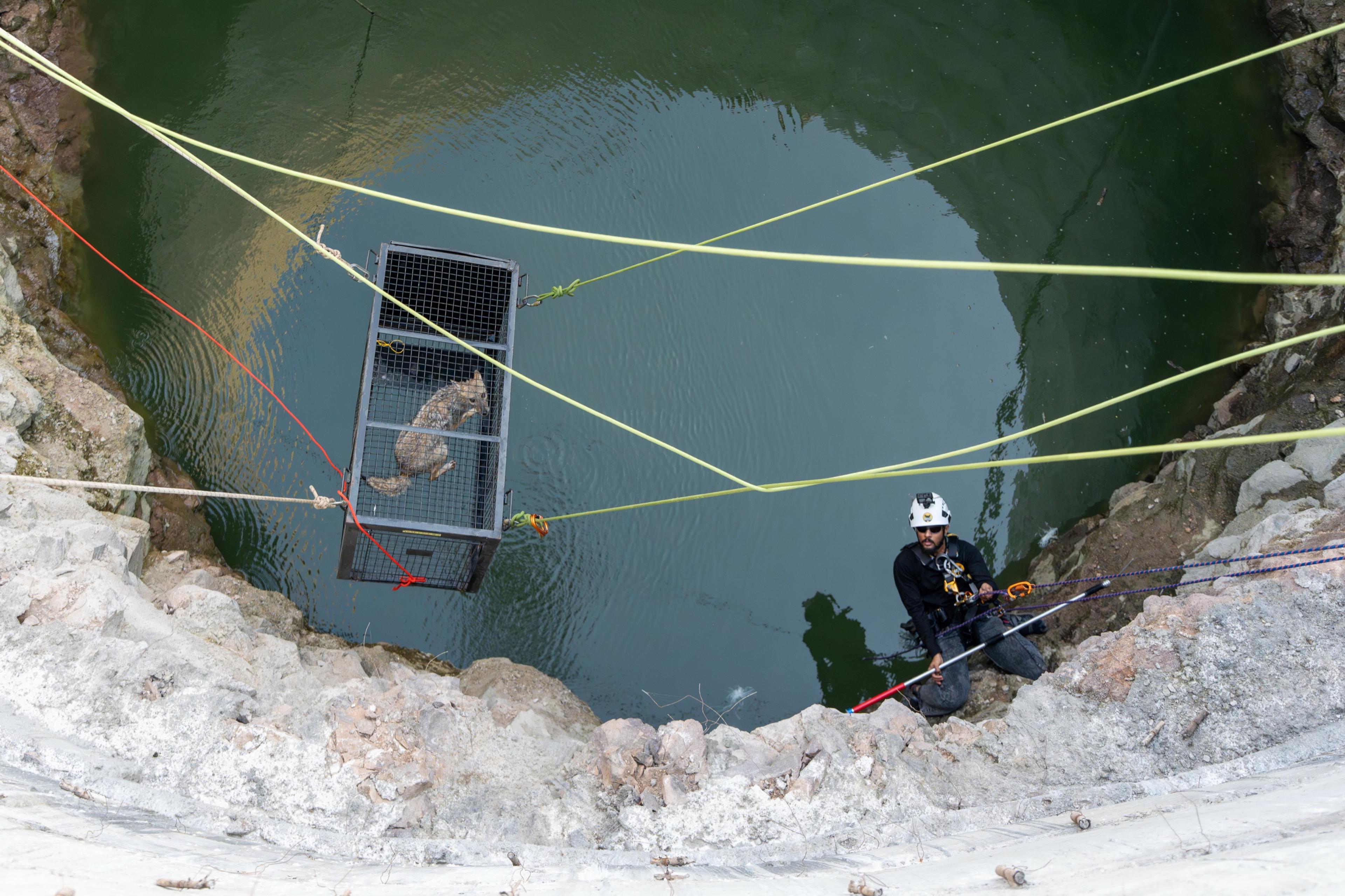 Wildlife emergency response
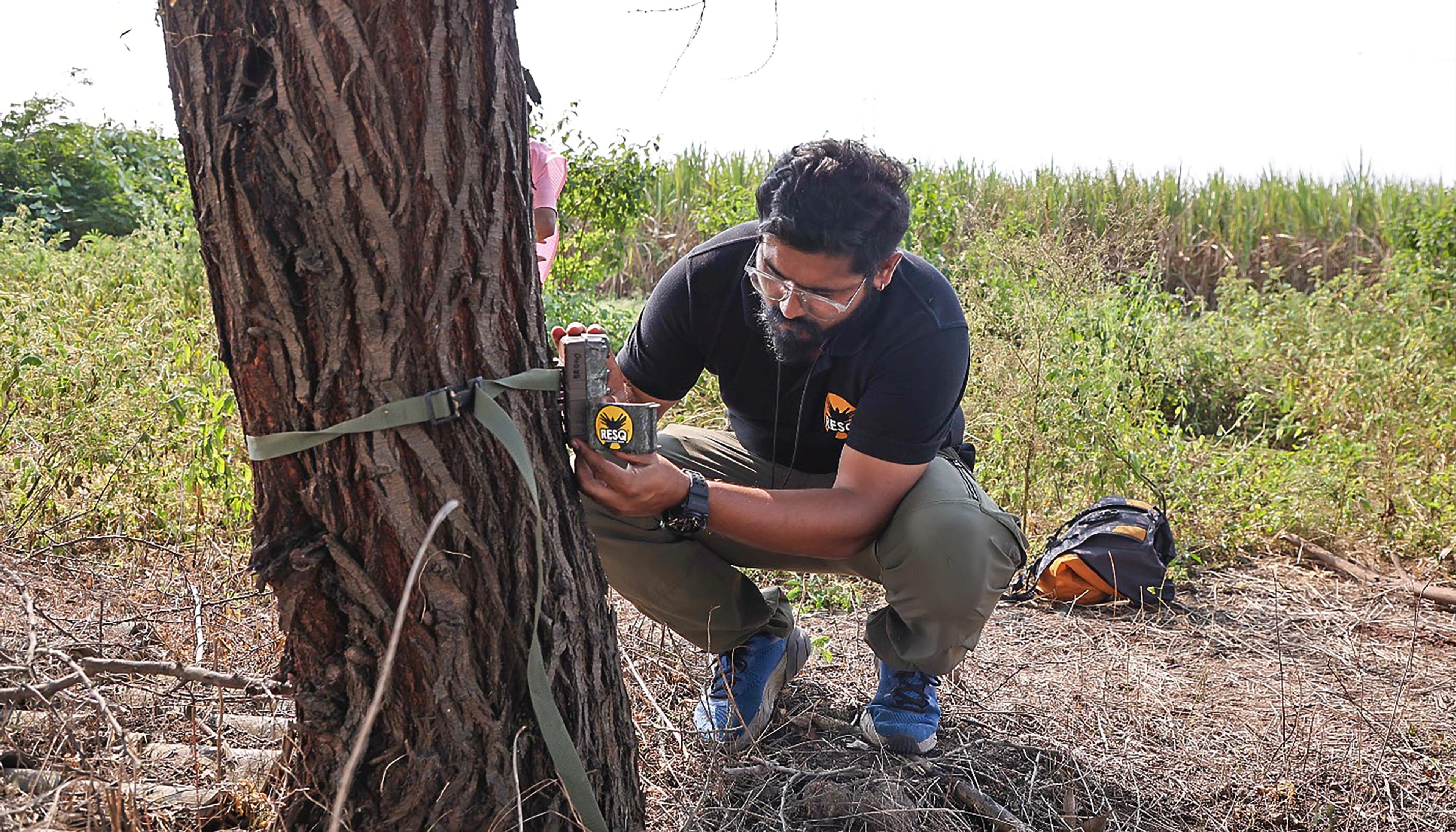 Human-wildlife conflict management
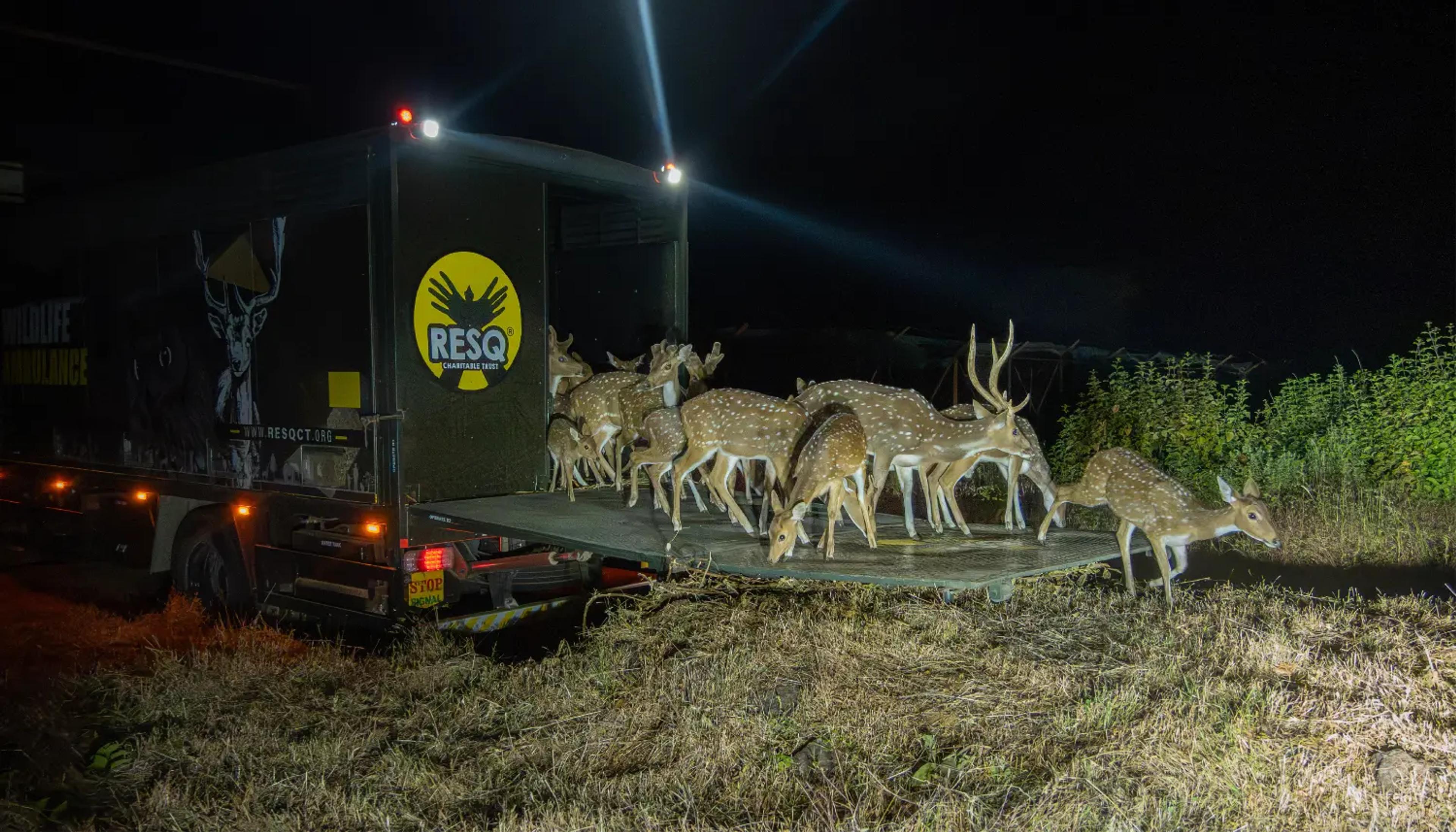 Mass capture & translocations
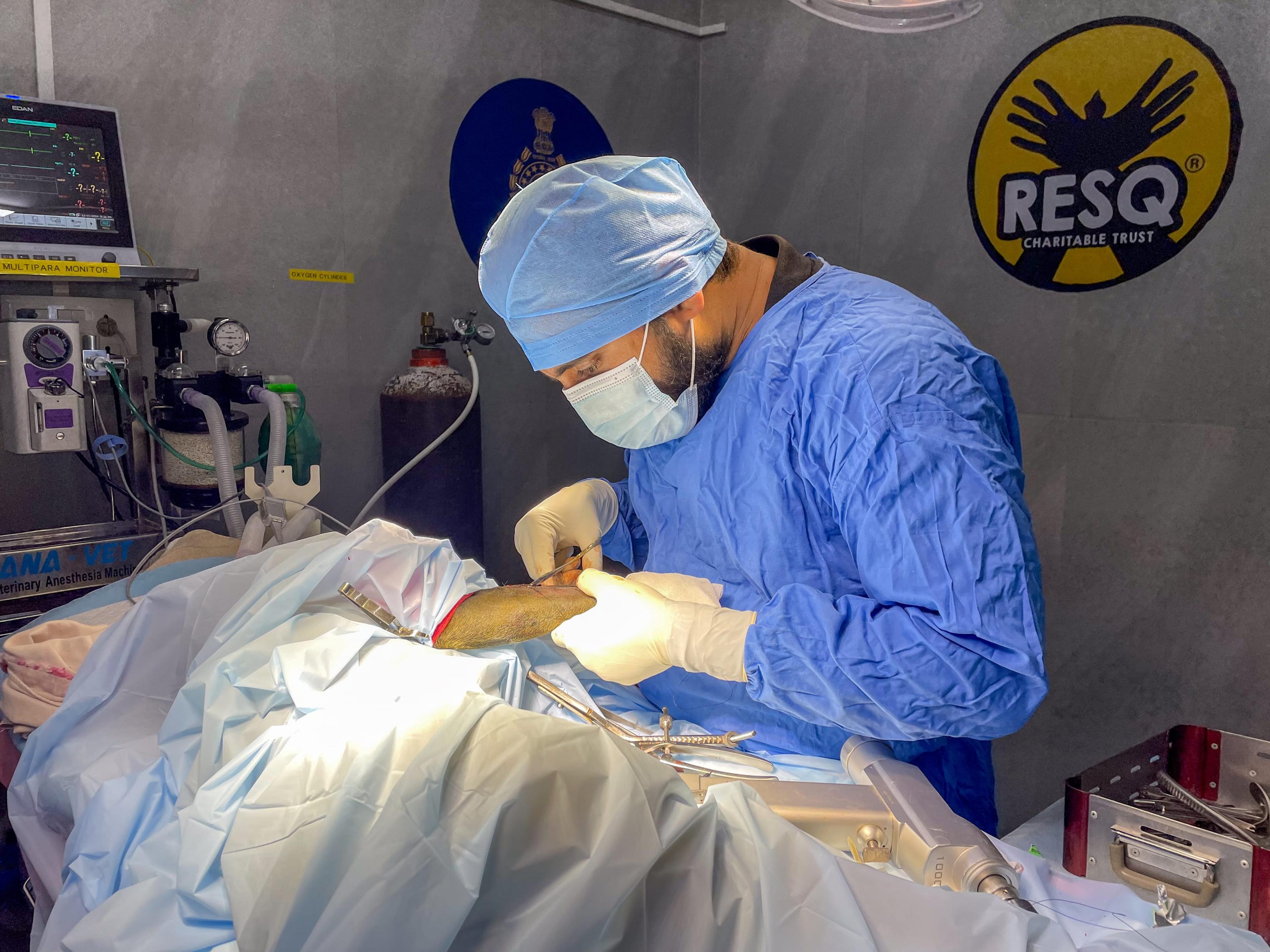 You're hereVeterinary care & rehabilitationConservation education
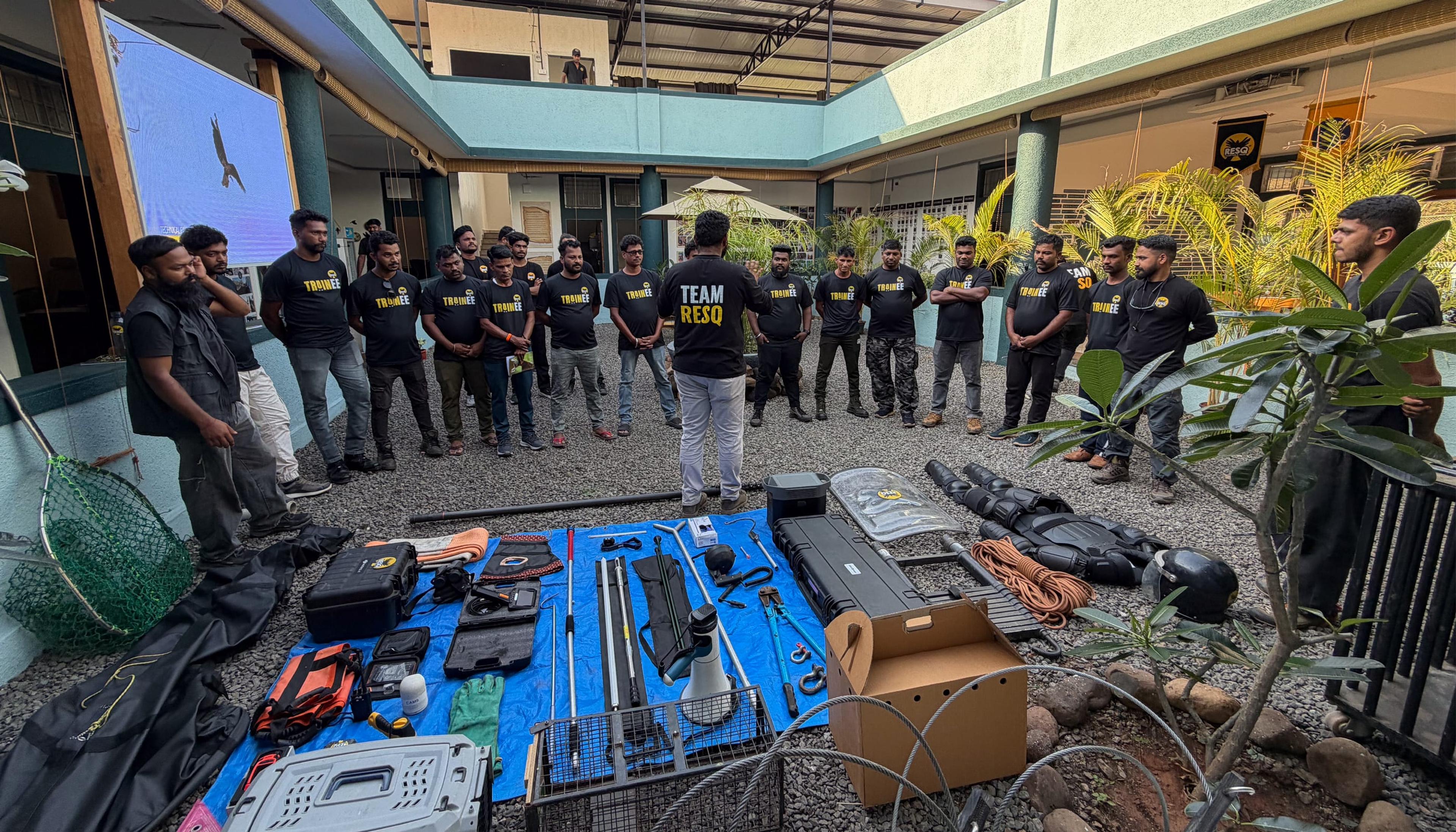 Training & capacity building
Support this work
A rescue is only the first step. Treatment, rehabilitation, release and the prevention work that follows all depend on people who choose to stand behind it.
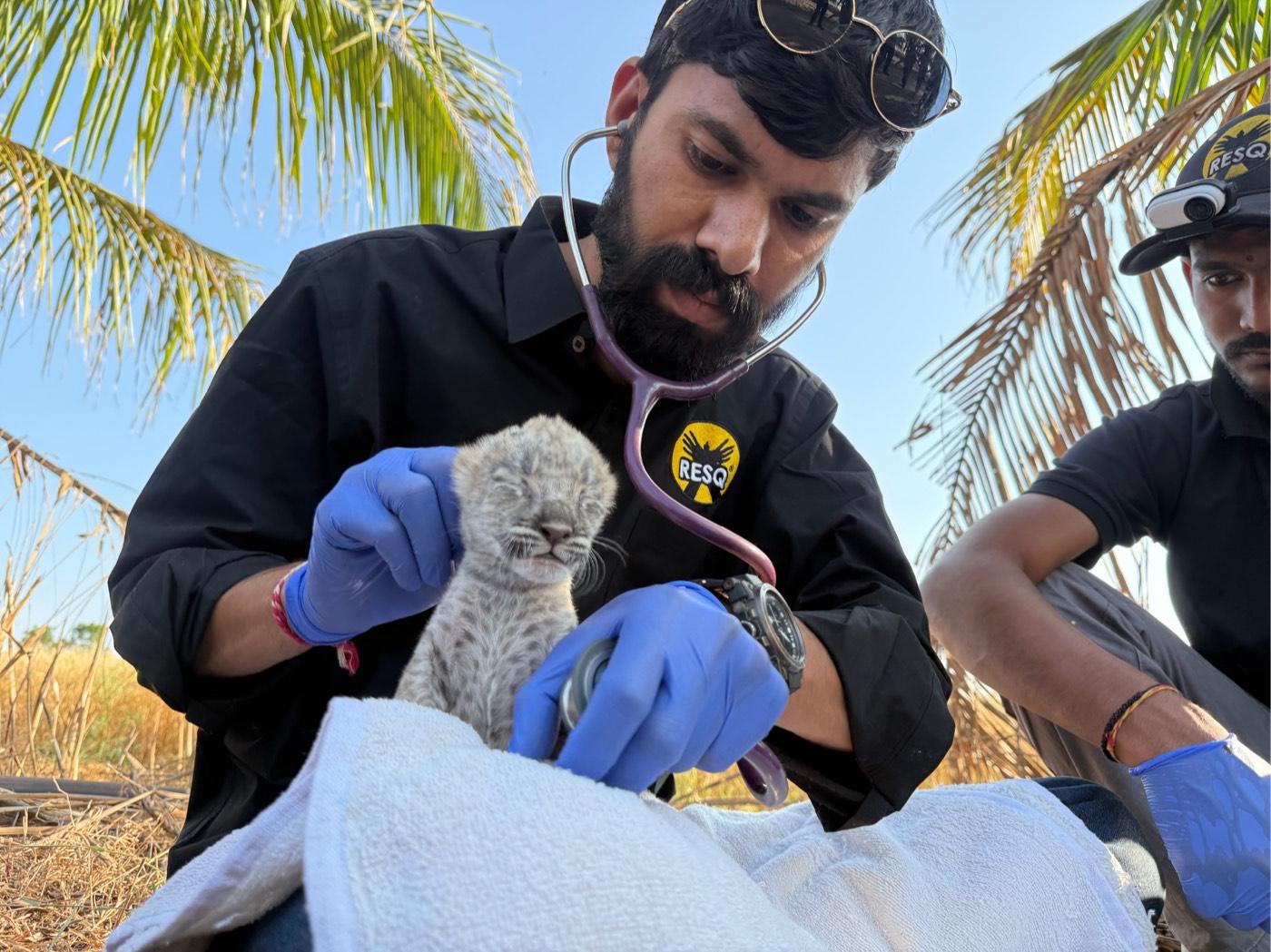
DonatePhoto: a RESQ vet examines a rescued leopard cub in the field.
Work alongside us
Individuals, students and groups support our centres, field teams and outreach programmes through the year. Every volunteer is trained and works to a shared code of conduct.
Volunteer with us