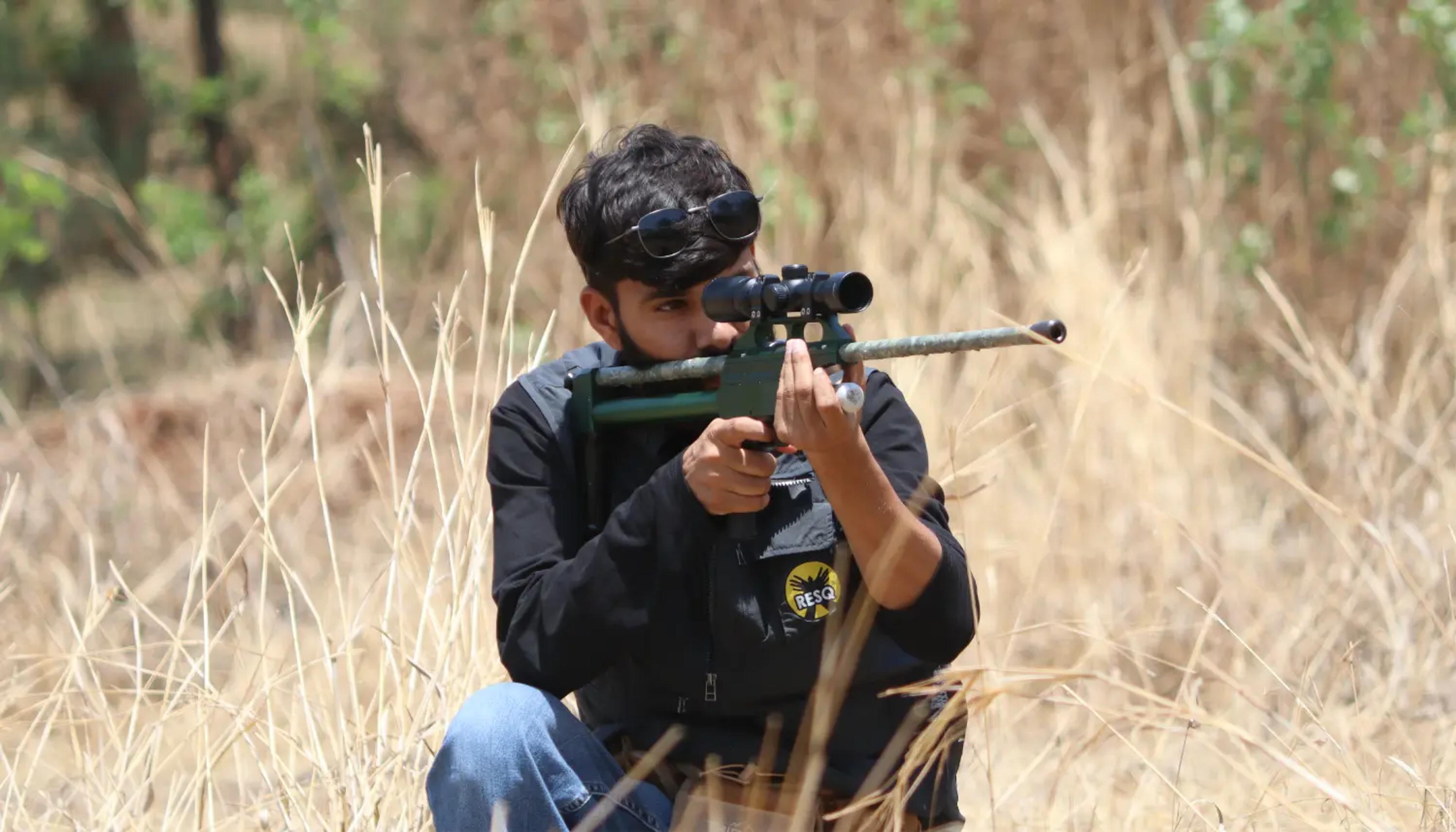
When large carnivores or megaherbivores enter human settlements, traverse high-density agricultural zones, or are discovered injured within forest areas due to anthropogenic causes such as snare traps or poaching activity, the stakes are immediate and considerable. These situations demand a calibrated response that prioritises the safety of both people and the animal in equal measure, and where every decision taken under pressure must be grounded in behavioural science, field intelligence, and inter-agency coordination.
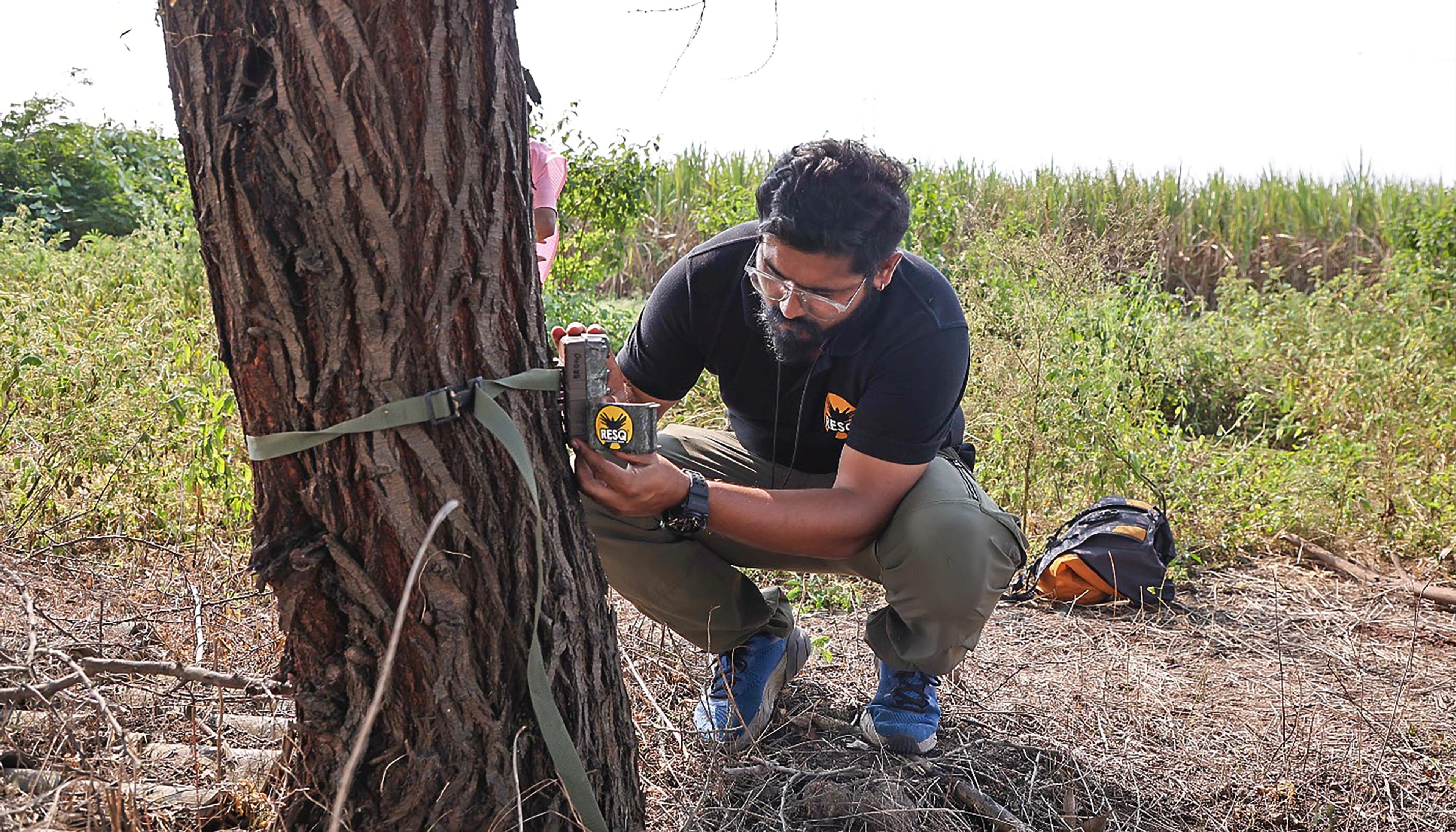
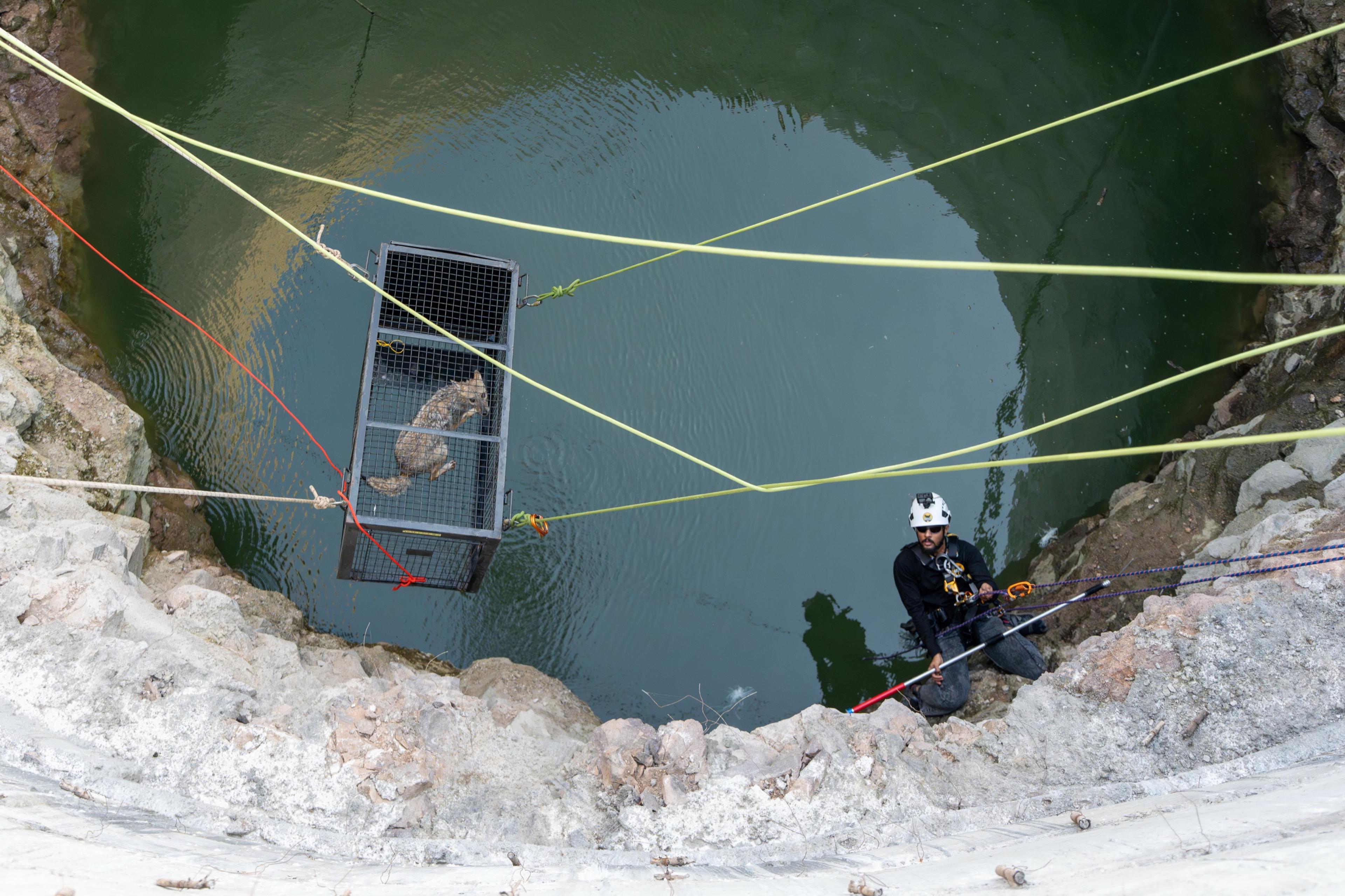
RESQ CT assists the Forest Department in assessing these scenarios and strategising the safest possible outcome for all parties involved. Depending on the situation, this may mean facilitating safe passage for an animal that is simply transiting through a human-dominated landscape, or deploying full technical and veterinary support where capture or immobilisation is deemed necessary.
Verified, on-ground intelligence forms the backbone of every operation. This is augmented by purpose-trained wildlife detection dogs, who act as force multipliers in tracking animals across large areas and in confirming movement direction; thermal UAVs, which provide eyes in the sky without disturbing the animal, enabling the veterinarian to prepare for precision darting and to locate the animal post-dart before teams move in; and where required, chemical immobilisation protocols designed to minimise physiological stress and ensure safe transport.
Every operation is different. We focus on creating conditions for the safest outcome, and intervene only to the degree that the situation demands.
Habitat loss pushes large carnivores into human landscapes, but a straying tiger's presence is not a crisis; it is a moment that tests the quality of our response. When this Bengal tiger walked into Rajahmundry, coordinated action by the Andhra Pradesh Forest Department and RESQ CT turned street-level panic into a safe release at Papikonda National Park.
A healthy, agitated gaur bull, nearly a tonne of muscle, had already gored someone who came too close, making him a far greater challenge than an injured animal. Stranded on a highway near Phaltan, his movements were tracked via drone while silent corridors kept people back. He was darted from an elevated position under a full moon, then reached the sanctuary safely by sunrise.
A young male leopard entering densely populated PCMC, Pune region was tracked through a wood shed, cattle shed, and finally a jowar field wedged between homes. A thermal drone guided the operation while Pune Forest Department, PCMC Police, Fire Department, and RESQ CT coordinated on ground. Using a Bronto Skylift, a single tranquilliser dart secured the leopard safely for release after health checks and microchipping.
Following fatal attacks on four children in Dhule, three of whom died, RESQ CT and the Dhule Forest Department launched a four-day capture operation. Camera traps, thermal drones, and our sniffer dog who narrowed down the individual leopard, ruling out a second animal sighted nearby. On day four, our team successfully tranquillised the leopard near fresh kill bait, ending the crisis and restoring calm to the affected villages.
 Read moreHuman-Wildlife Conflict ManagementWildlife does not recognise the boundaries that humans draw between forest and field, between protected area and peri-urban fringe. As our landscapes…
In Our work
 You're hereWildlife emergency responseHuman-wildlife conflict management
 Mass capture & translocations
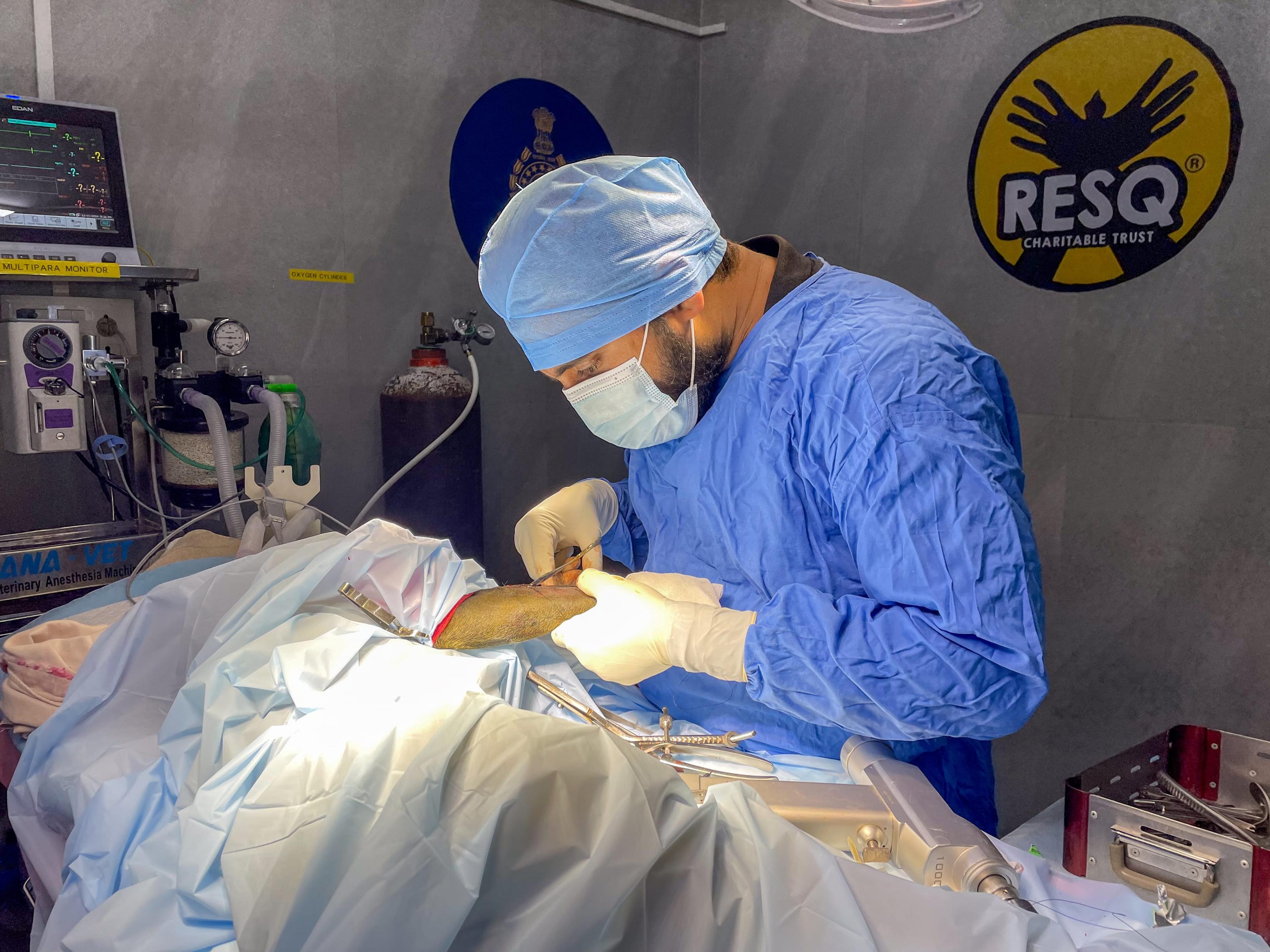 Veterinary care & rehabilitation
 Conservation education
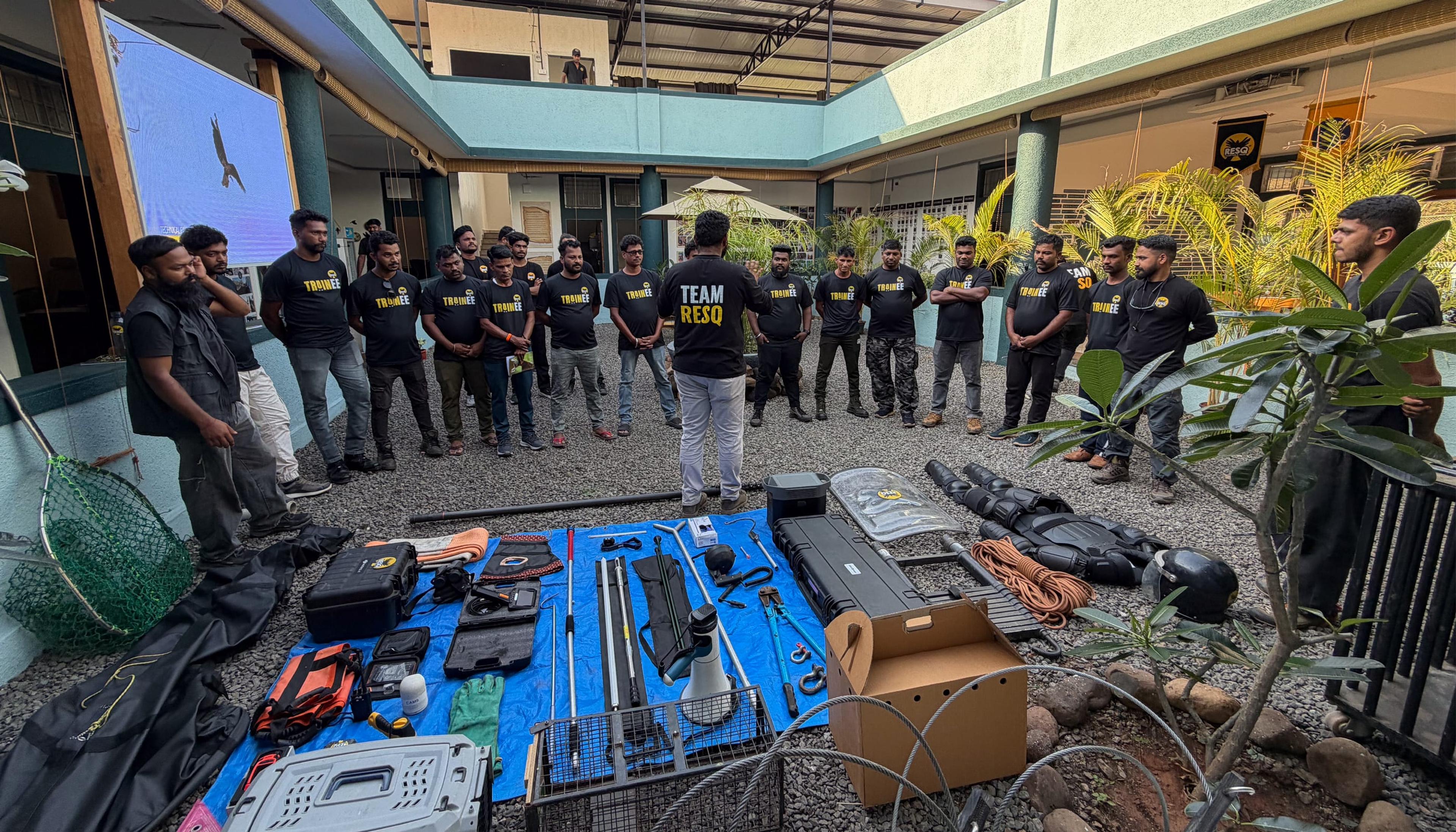 Training & capacity building
Support this work
A rescue is only the first step. Treatment, rehabilitation, release and the prevention work that follows all depend on people who choose to stand behind it.
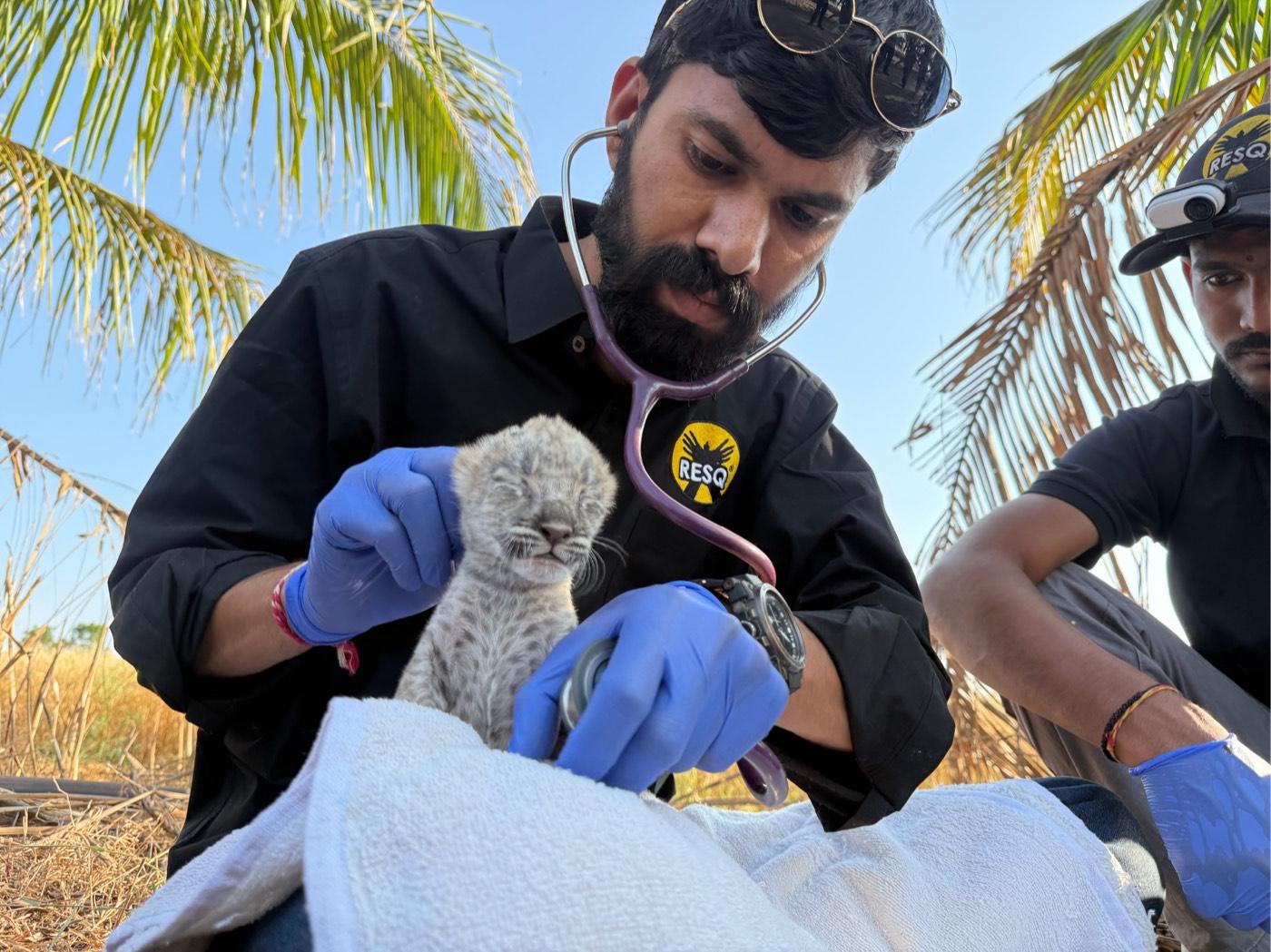
DonatePhoto: a RESQ vet examines a rescued leopard cub in the field.
Work alongside us
Individuals, students and groups support our centres, field teams and outreach programmes through the year. Every volunteer is trained and works to a shared code of conduct.
Volunteer with us