Open wells remain a common, largely unregulated feature of Maharashtra's agricultural landscape, and for wildlife moving through farmland and forest margins, an uncovered well can become a fatal trap with almost no warning. Leopards, hyenas, wolves, jackals, deer and a range of smaller mammals have all been recorded falling into wet or dry wells, often discovered only hours or days later, by which time the animal is typically exhausted, injured and in a state of acute physiological stress. Beyond open wells, our teams also respond to animals trapped in water tanks, sewer canals and drainpipes, scenarios that arise most frequently during flooding or urban infrastructure failure and that introduce an additional layer of tactical complexity given the dynamics of moving water and confined, often contaminated, spaces.
Extracting an animal safely from a well or a confined space is a slow, deliberate process that cannot be rushed without consequence. Each rescue is governed by the species involved, the depth and diameter of the well, the water level and, critically, the behavioural state of the animal at the time of response: a panicked leopard at the bottom of a thirty foot well presents an entirely different risk profile to a grounded jackal or a disoriented deer. Our rescuers, trained in rope work and rappelling, descend into these confined spaces to guide the animal into nets or crates for extraction, working around its stress responses to ensure that neither the animal nor the team comes to harm. Well meaning bystander interventions, such as lowering cots or ropes in an attempt to help, can inadvertently escalate an already dangerous situation and are actively discouraged.
Not all confined space rescues involve wells. In one case, our team extracted a leopard from beneath a bridge in a canal, choked with waste and filth; the leopard, fortunately, was uninjured, but the conditions made the extraction considerably more difficult. Cases like this are a reminder that large carnivores do not end up in places like that by accident: poorly managed waste accumulates, draws rodents and other small prey, and in turn draws predators steadily deeper into human use spaces. The rescue is usually the visible part; the less visible problem is everything that led the animal there in the first place.
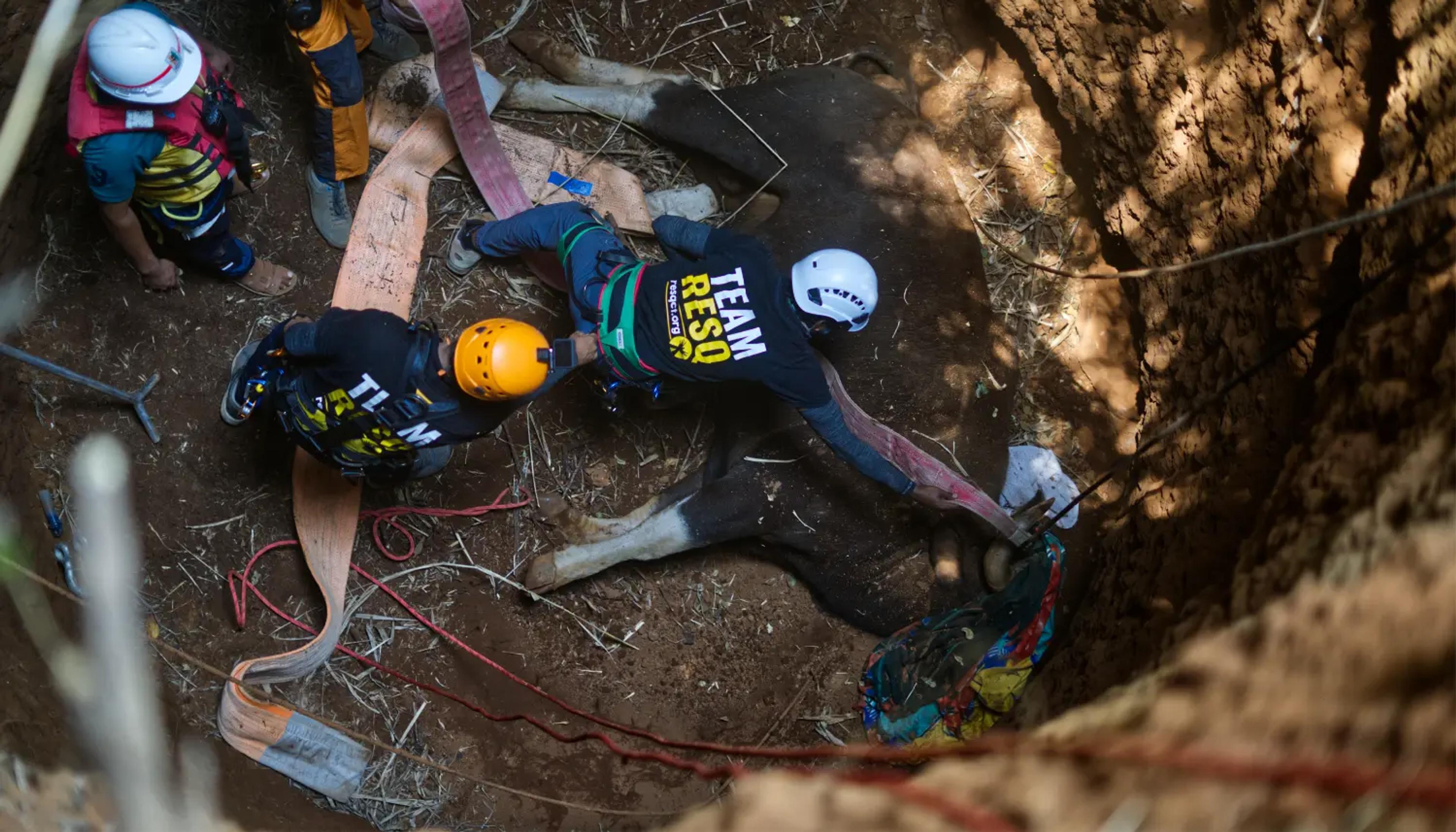
A sub-adult male Indian gaur strayed in, slipped and wedged himself between two water pipelines in Pune city. The Pune Forest Department and our RESQ CT team assessed the situation, tranquillised him, and used a crane to lift him clear, keeping him in a sternal position to protect his airway. He was stabilised at our Wildlife TTC, ahead of release to a suitable habitat.
A routine "civet in a well" call led to an unexpected discovery, Pune's first recorded Eurasian otter. After six hours of patient effort, the rare swimmer was safely rescued and housed at the Wildlife TTC, where his rehabilitation proved wildly challenging. Intensive surveys were then conducted to track suitable habitat, and once reliable evidence was found, he was released back into the wild.
A golden jackal took one wrong leap and one deep plunge, leaving him stranded and stuck. A call from the Forest Department set things in motion, and our RESQ CT technical team reached the site with the gear needed to pull him out safely. After a health check and stabilisation, he was released back into his natural habitat, hopefully steering clear of slippery banks.
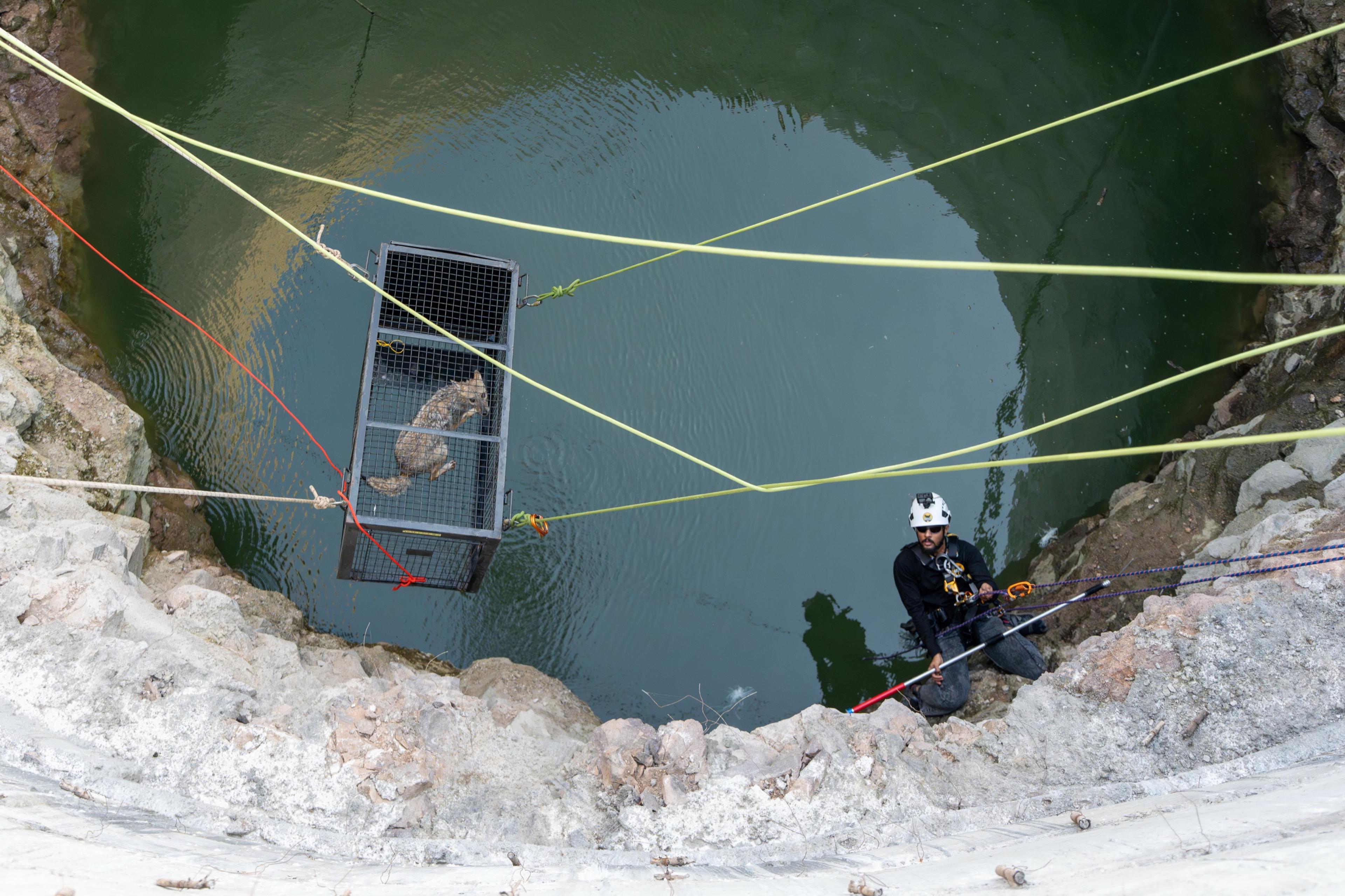
An adult hyena fell into a well and sought shelter in a crevice to stay afloat, but swift rescue was critical to prevent exhaustion and drowning. The Forest Department and our teams promptly responded, lowering a trap cage into the well to coax the hyena inside. Once secured, it was brought to safety, and after fitness evaluation, released back into a secure area nearby.
 Read moreHuman-Wildlife Conflict ManagementWildlife does not recognise the boundaries that humans draw between forest and field, between protected area and peri-urban fringe. As our landscapes…
In Our work
 You're hereWildlife emergency responseHuman-wildlife conflict management
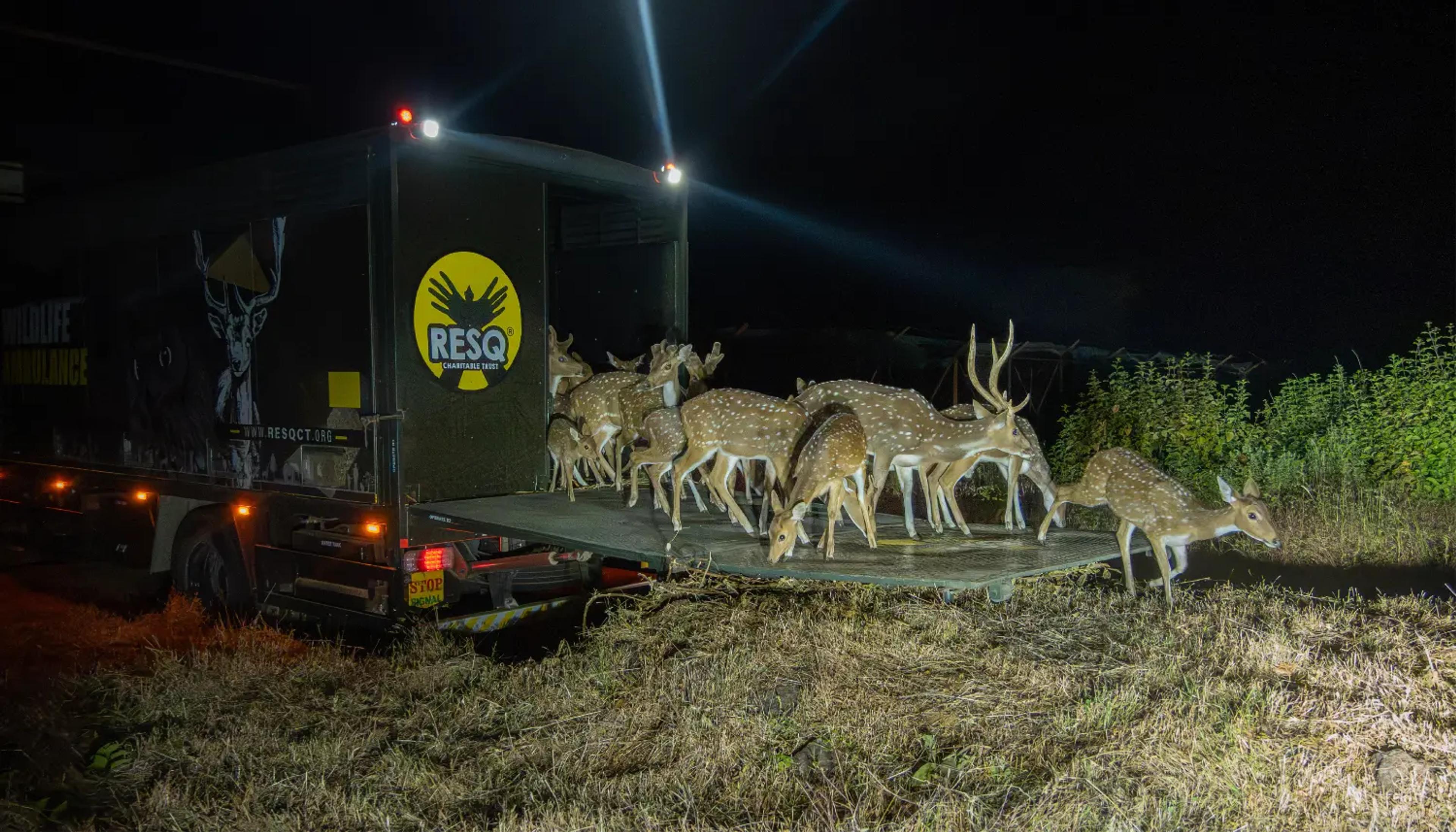 Mass capture & translocations
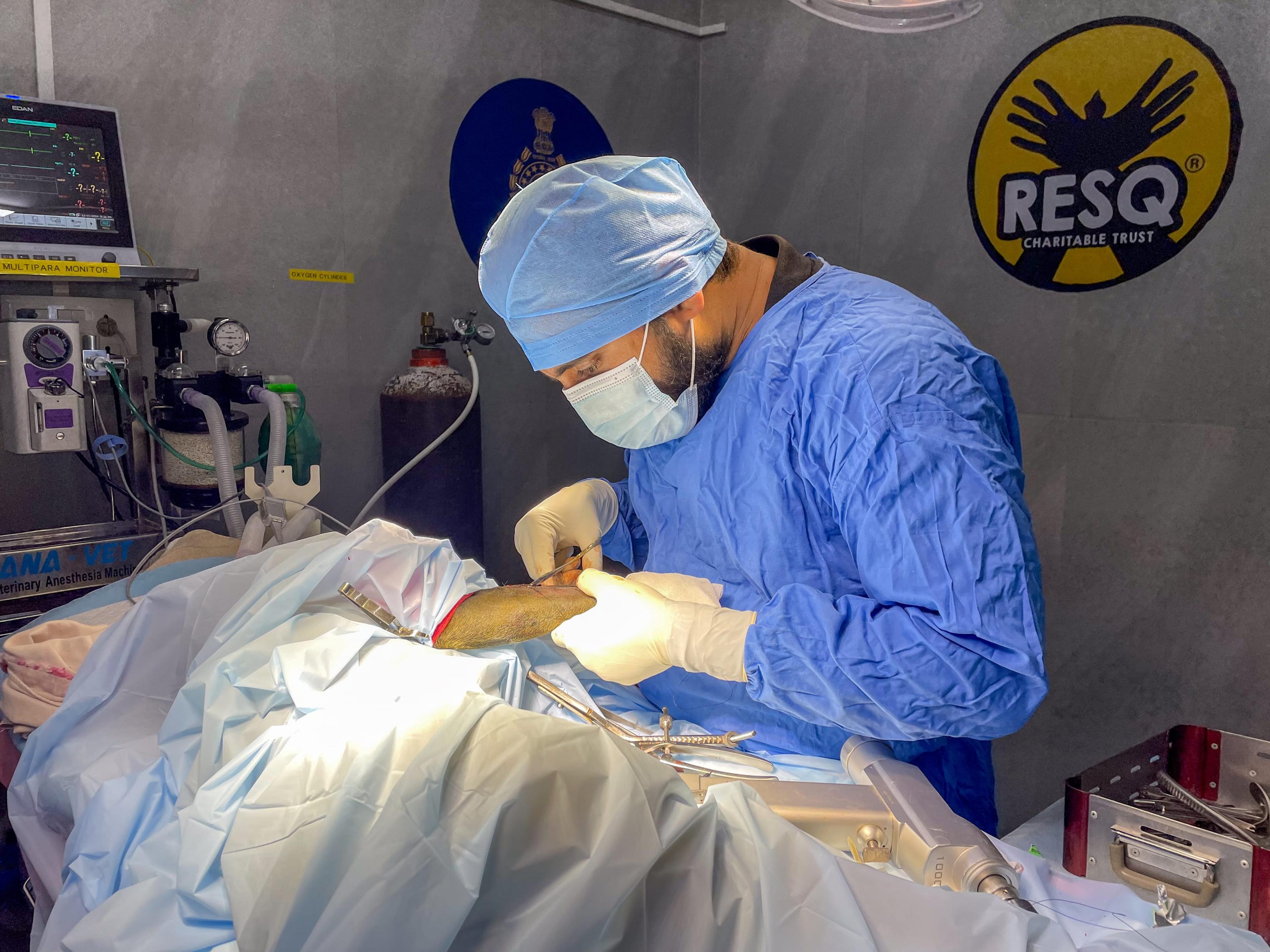 Veterinary care & rehabilitation
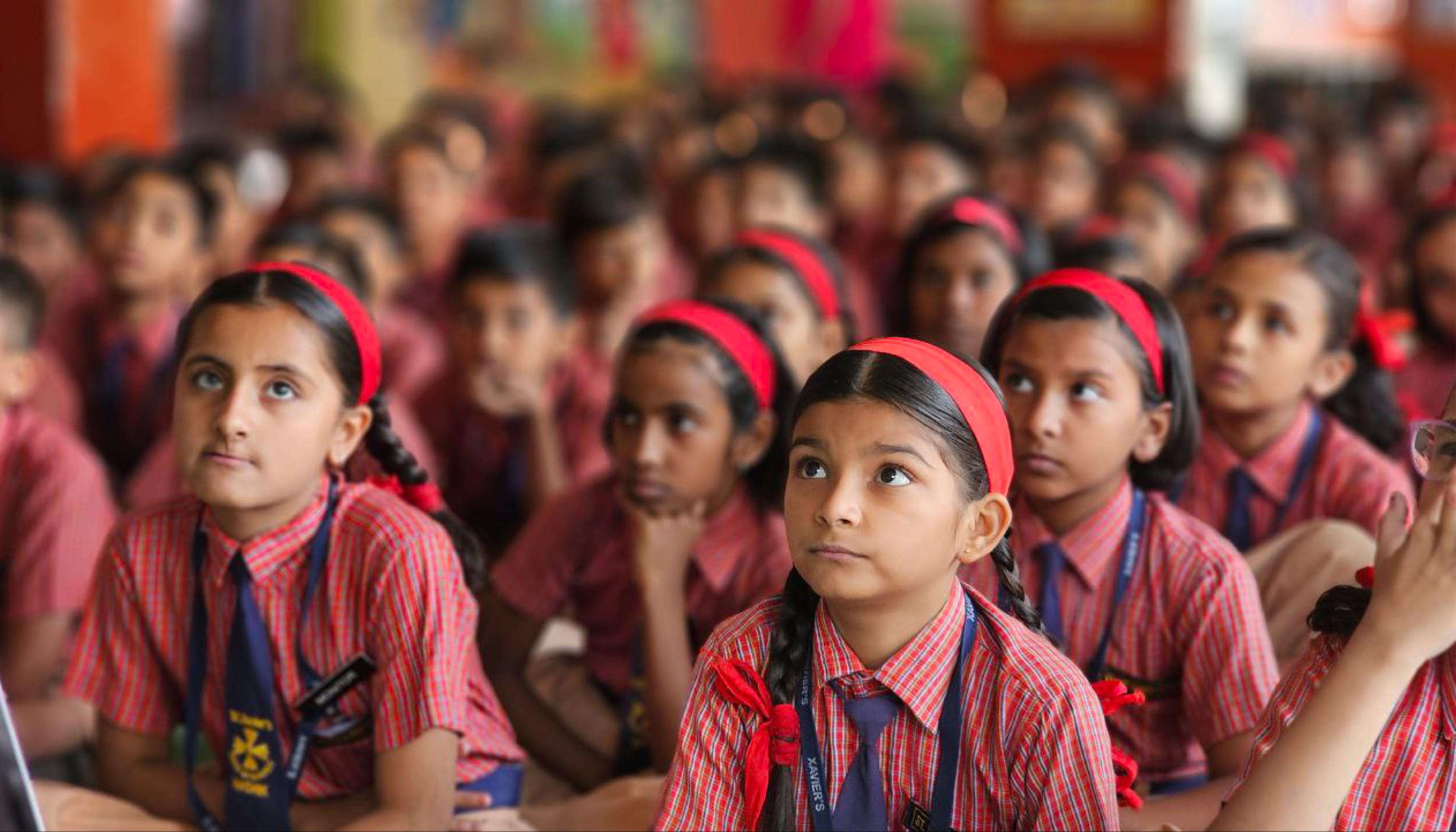 Conservation education
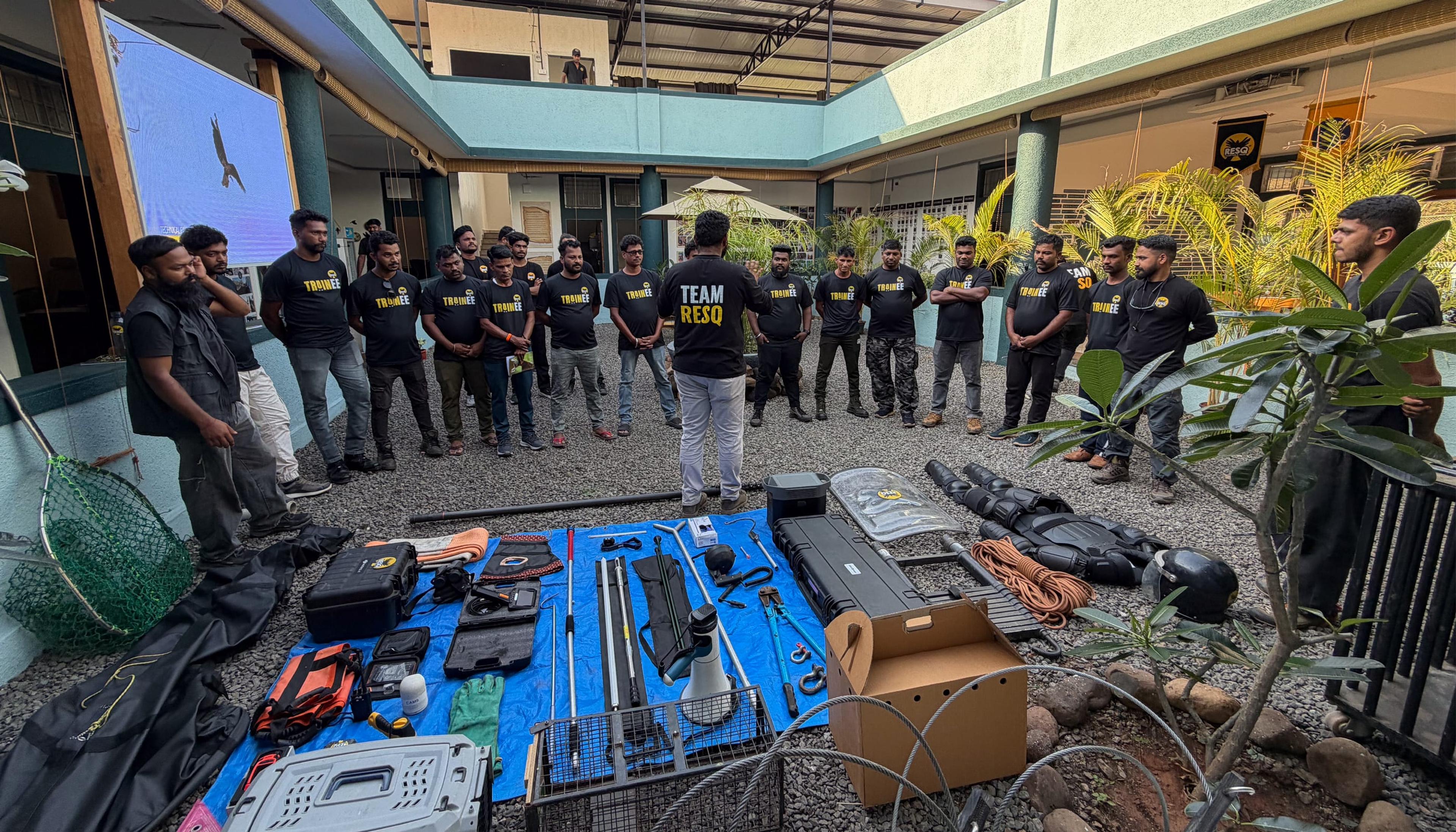 Training & capacity building
Support this work
A rescue is only the first step. Treatment, rehabilitation, release and the prevention work that follows all depend on people who choose to stand behind it.
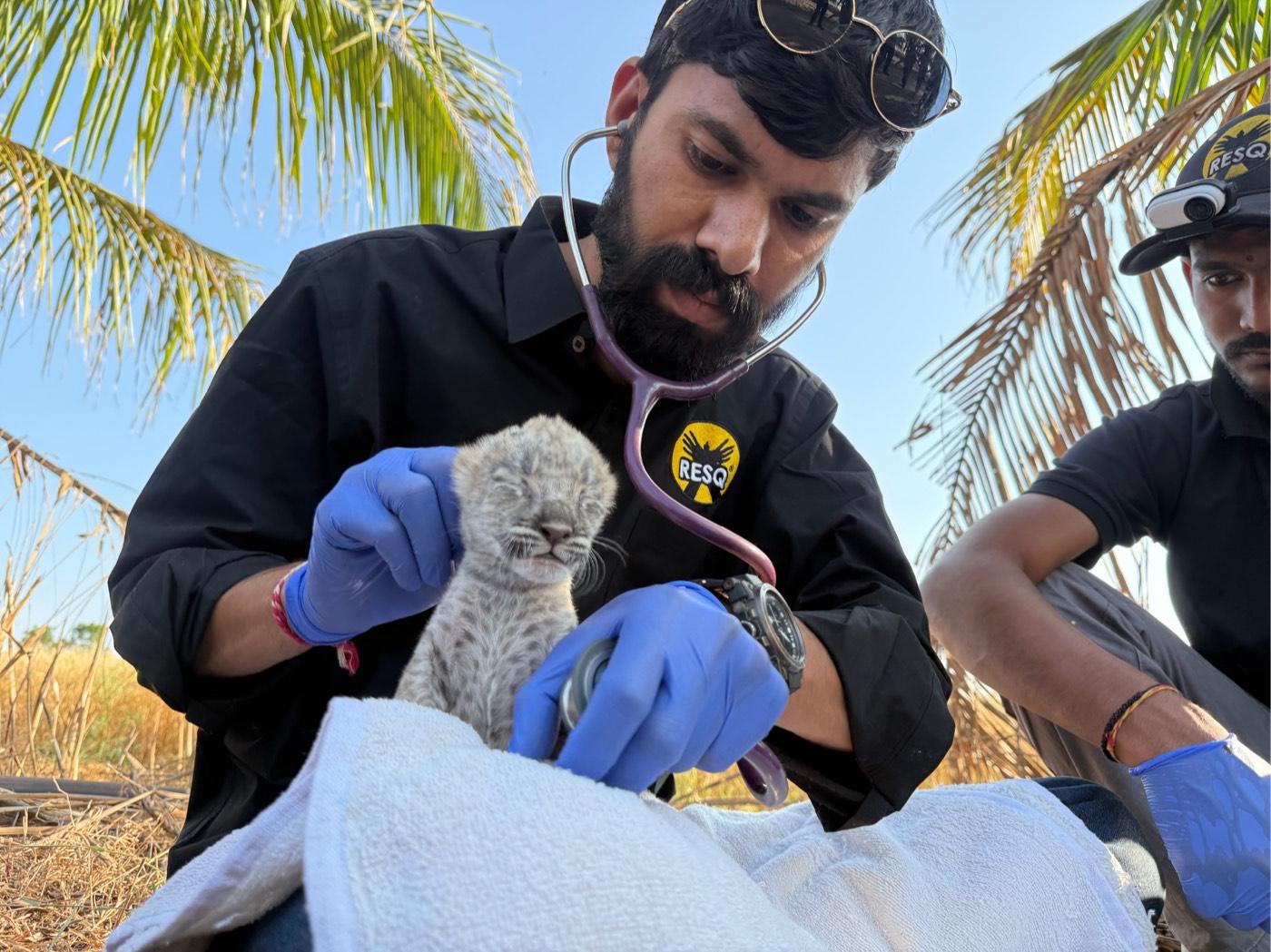
DonatePhoto: a RESQ vet examines a rescued leopard cub in the field.
Work alongside us
Individuals, students and groups support our centres, field teams and outreach programmes through the year. Every volunteer is trained and works to a shared code of conduct.
Volunteer with us